How Much Does a 60 Gallon Air Compressor Cost?
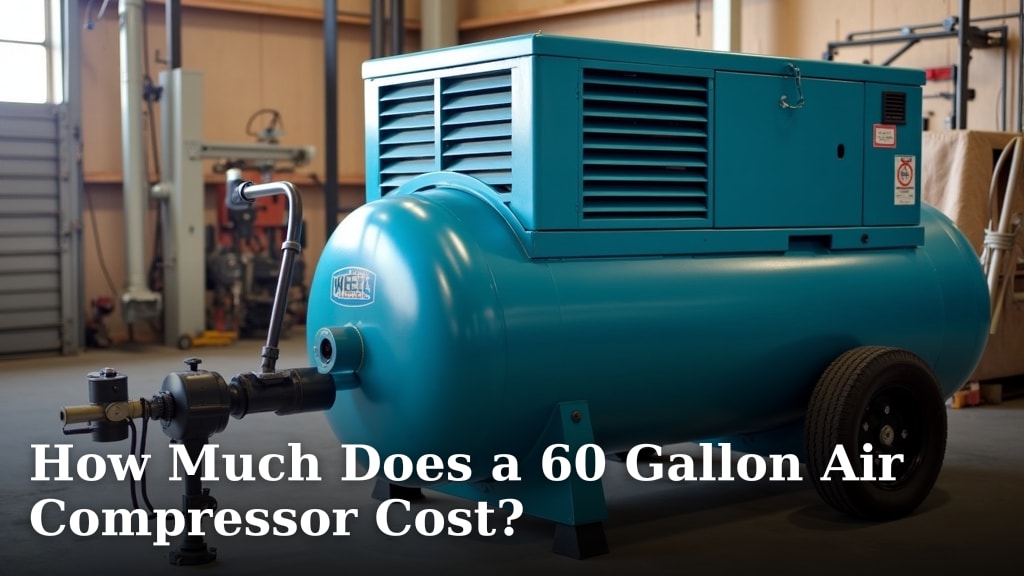
The cost of a 60-gallon air compressor typically ranges from $300 to $800. You’ll find some basic models closer to $300, while more powerful or feature-rich options can go up to $800 or even a bit more. Several factors influence the final price, including horsepower, tank size, and brand reputation, so the exact price can vary.
When you’re looking for a 60-gallon compressor, you’re likely comparing them based on their ability to power multiple tools or handle continuous use. We found that models with higher CFM (cubic feet per minute) ratings and oil-lubricated pumps tend to be more expensive but also more durable and efficient. Expect to pay more for brands known for their reliability and longer warranties.
- Average price range: $300 – $800.
- Factors: horsepower, CFM, brand, oil vs. oil-free.
- Higher CFM means better performance for demanding tasks.
- Oil-lubricated models often cost more but last longer.
- Consider your tool needs to pick the right model.
Ready to find the perfect 60-gallon air compressor for your workshop? Let’s break down what makes these units tick and how to get the best bang for your buck.
Understanding the Price Tag of a 60-Gallon Air Compressor
So, you’re looking to buy a 60-gallon air compressor. You’ve probably seen a wide range of prices. We’ve researched this, and most folks find these units fall between $300 and $800. But why the spread? It’s not just about the gallon size. Several things change the price tag.
Let’s break down what influences how much you’ll spend. Think of it like buying a car. A basic sedan is cheaper than a fully loaded SUV. The same idea applies here. You’re paying for power, features, and brand reputation. We found that understanding these factors helps you find the best value for your needs.
Key Factors Driving the Cost of 60-Gallon Compressors
When you’re comparing different 60-gallon models, you’ll notice variations. These differences directly impact the price. We’ve identified the main drivers that make one unit cost more than another.
Horsepower (HP) and Its Impact
Horsepower is a big one. It tells you how much power the motor has. More horsepower means the compressor can work harder and faster. For tasks that need a lot of air, higher HP is often necessary. We found that units with 5 HP or more tend to be at the higher end of the price spectrum.
A higher HP motor can keep up with demanding tools. It also means the compressor can recharge its tank more quickly. If you plan on using tools that suck up air fast, like grinders or sanders, you’ll want to look for higher HP. This usually means a higher upfront cost, but it pays off in performance.
CFM Rating: The Real Measure of Airflow
While horsepower is important, CFM (Cubic Feet per Minute) is often more critical. This measures the volume of air the compressor can deliver. It’s like the water flow from a faucet. The higher the CFM, the more air you have available.
We found that for 60-gallon compressors, CFM ratings typically range from 10 to 20 CFM. Tools have specific CFM requirements. For example, an impact wrench might need 5 CFM, while a spray gun might need 10 CFM. Always check your tool’s needs. Getting a compressor with a slightly higher CFM than your tools require is a good idea. This ensures consistent performance. We found that units with higher CFM ratings, especially those above 15 CFM, generally cost more money.
Matching CFM to Your Tools
How do you know what CFM you need? You need to look at the tools you use most often. Add up their CFM requirements. Then, add a buffer of about 20% to 50%. This gives you some wiggle room.
For instance, if your main tools need a total of 12 CFM, aiming for a compressor that provides 15-18 CFM would be smart. We found that a compressor with a 17-18 CFM rating will be more expensive than one at 10-12 CFM. But, it will handle more tools and run them without faltering. This is where much of the price difference lies.
Oil vs. Oil-Free Pumps: A Cost Consideration
You’ll see two main types of pumps: oil-lubricated and oil-free. This choice affects both the initial cost and long-term maintenance.
Oil-lubricated pumps are generally quieter and run cooler. They tend to last longer because the oil reduces friction and wear. Because of their durability and quieter operation, we found these models often come with a higher price tag. They require regular oil checks and changes, which is a small ongoing cost.
Oil-free pumps are typically lighter and require less maintenance. You don’t have to worry about oil levels. However, they can be noisier and may not last as long as their oiled counterparts, especially under heavy use. We found that oil-free models are often more affordable upfront. This makes them a popular choice for DIYers or those on a tighter budget.
Brand Reputation and Warranty Length
Like many products, well-known brands often command higher prices. Companies with a long history of producing reliable air compressors usually charge more. This is because their products are often built with better materials and have a reputation for durability.
We also found that warranty length is a good indicator. A compressor with a 3-year or 5-year warranty will likely cost more than one with a 1-year warranty. The longer warranty suggests the manufacturer has confidence in their product’s longevity. It’s a form of insurance for your investment. Many experts say choosing a reputable brand can save you money in the long run through fewer repairs.
Comparing Price Ranges: What to Expect
Let’s put some numbers to it. Based on our research, you can expect these general price points for a 60-gallon air compressor:
| Compressor Type/Features | Estimated Price Range | Typical Use Case |
|---|---|---|
| Basic, Oil-Free, Lower HP/CFM | $300 – $450 | Light DIY, occasional use, small workshops |
| Mid-Range, Oil-Lubricated, Moderate HP/CFM | $450 – $650 | Regular DIY, powering multiple tools, medium workshops |
| High-Performance, Oil-Lubricated, Higher HP/CFM, Premium Brand | $650 – $800+ | Professional use, continuous operation, demanding industrial tasks |
This table gives you a rough idea. Remember, these are estimates. We found that sales, specific features, and availability can shift these prices. Always shop around for the best deal.
Additional Costs to Consider Beyond the Purchase Price
The price you see on the tag isn’t always the final cost. There are other expenses to think about when getting a 60-gallon compressor set up and running.
Power Requirements and Installation
Most 60-gallon compressors need 240-volt power. Do you have this outlet in your workshop? If not, you might need an electrician to install one. This can add several hundred dollars to your total cost. We found that installation fees can vary widely based on your location and the complexity of the job.
Air Hoses, Fittings, and Accessories
You can’t use your compressor without them! You’ll need air hoses, quick-connect fittings, and possibly air filters or regulators. These accessories can add another $50 to $200 or more, depending on quality and quantity. We found that investing in good quality hoses and fittings prevents leaks and ensures better performance.
Maintenance and Consumables
As we discussed, oil-lubricated models need oil. Oil-free models might need filter replacements. These are ongoing costs, though usually modest. You’ll also want to drain the tank regularly to prevent rust. We found that routine maintenance is key to extending the life of your compressor. Consider the ongoing costs of oil and maintenance for your compressor.
Tips for Getting the Best Value on Your 60-Gallon Compressor
You want to make sure you’re not overpaying. Here are some tips we’ve gathered to help you get the most bang for your buck:
- Shop Around: Compare prices from different retailers, both online and in local stores.
- Look for Sales: Holidays and seasonal sales can offer significant discounts.
- Consider Refurbished: Sometimes, you can find great deals on certified refurbished models.
- Buy Only What You Need: Don’t overspend on features you’ll never use.
- Read Reviews: See what other users say about reliability and performance.
- Check for Bundles: Some retailers offer compressor packages with essential accessories included.
Conclusion
You’ve learned that a 60-gallon air compressor typically costs between $300 and $800. The price hinges on factors like horsepower, CFM, and whether the pump is oil or oil-free. Remember to consider your specific tool needs and plan for potential extra costs like electrical work and accessories. By shopping smart and understanding these key drivers, you can find a compressor that fits your budget and powers your projects effectively. Now, take that knowledge and find the perfect air compressor to upgrade your workshop!
Frequently Asked Questions
What’s the biggest factor influencing the price of a 60-gallon air compressor?
We found that horsepower (HP) and CFM rating are usually the biggest price drivers. Higher HP and CFM mean more power and airflow, which is needed for demanding tasks. These performance upgrades naturally increase the cost of the unit.
Is an oil-lubricated or oil-free pump generally more expensive?
Research shows that oil-lubricated pumps are often more expensive upfront. They tend to run quieter and last longer due to reduced wear. While they cost more initially, they can offer better long-term value through durability.
Can I expect to pay extra for accessories with my 60-gallon compressor?
Yes, you likely will. While the compressor itself has a price tag, you’ll need to budget for essential accessories like air hoses, fittings, and possibly filters. We found these can add anywhere from $50 to over $200 to your total setup cost.
Are there ways to save money on a 60-gallon air compressor?
Absolutely! We discovered that shopping around, looking for holiday sales, and considering certified refurbished models can lead to significant savings. Don’t underestimate the power of comparing prices across different retailers.
How much extra might professional installation cost for a 60-gallon compressor?
If your workshop doesn’t have a 240-volt outlet, you’ll need professional installation. We found this can add several hundred dollars to your total cost, depending on your location and the specific electrical work required.
