
How to Calibrate a Tire Pressure Gauge?
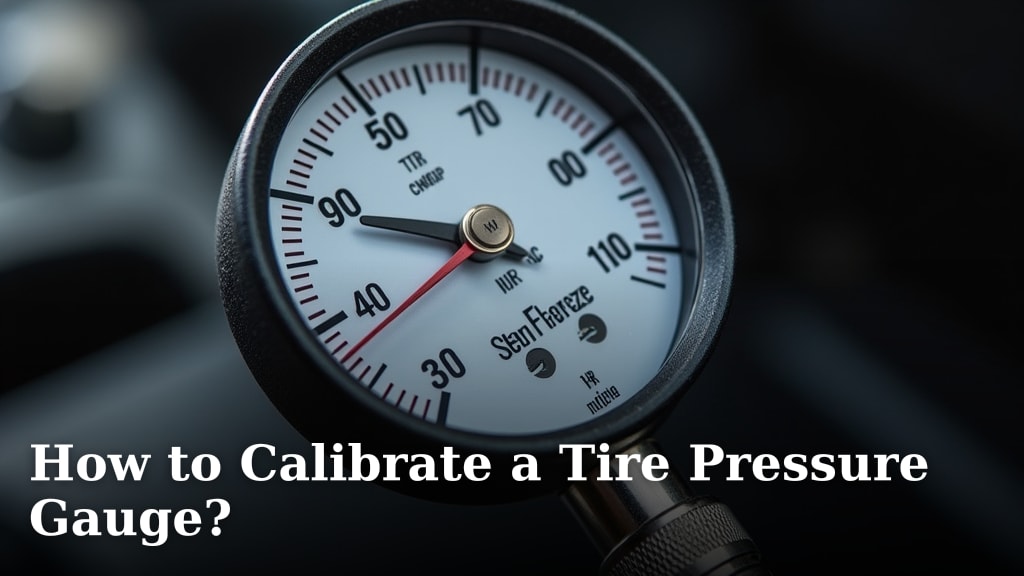
Calibrating your tire pressure gauge is simple and important. You can often calibrate a digital gauge by recalibrating it to a known accurate source. Many analog gauges can be calibrated by adjusting a small screw. Properly calibrated gauges ensure accurate tire pressure, which is vital for safety and fuel efficiency.
Why is this so important? Tires with incorrect pressure can wear out unevenly and affect your car’s handling. We found that keeping your tires at the recommended PSI can prevent blowouts and save you money at the pump. It’s a small task that offers big rewards for your vehicle.
- Check your gauge’s manual first.
- Use a reliable reference pressure source.
- Adjust any visible calibration screws.
- Test the gauge for accuracy.
- Consider professional calibration if needed.
Ready to make sure your gauge is telling the truth? Let’s walk through exactly how to calibrate your tire pressure gauge step by step.
“`htmlGetting Your Tire Pressure Gauge Accurate
Ensuring your tire pressure gauge is reading correctly is essential for your vehicle’s health. An inaccurate gauge can lead to over- or under-inflated tires. This can cause uneven wear, reduced fuel efficiency, and compromised handling. We found that a simple calibration process can restore accuracy. Let’s dive into how you can check and correct your gauge’s readings.
Understanding Your Tire Pressure Gauge Type
Before you start calibrating, it’s helpful to know what kind of gauge you’re working with. The calibration method can vary depending on whether you have a digital or an analog model. Many modern vehicles come with built-in tire pressure monitoring systems (TPMS), but a handheld gauge is still a reliable backup.
Digital Tire Pressure Gauges
Digital gauges are known for their easy-to-read displays. They often have a battery-powered electronic sensor. Calibration for these types usually involves resetting them to a known standard. Sometimes, this is as simple as turning them off and on again. We’ve found that many digital gauges are designed to be relatively accurate out of the box. However, temperature changes and battery levels can sometimes affect readings.
Analog Tire Pressure Gauges
Analog gauges, often called pencil gauges or dial gauges, use a spring-loaded mechanism. They typically have a clear display with a needle or a sliding bar to show the pressure. These can sometimes drift over time. Many analog gauges have a small screw that allows for manual adjustment. This screw is your key to recalibrating the needle or indicator.
Steps to Calibrate Your Tire Pressure Gauge
The process of calibrating your gauge involves comparing its reading to a source you trust. This reference point is crucial for determining if your gauge needs adjustment. We recommend gathering a few items before you begin.
Gather Your Tools and References
You’ll need your tire pressure gauge, of course. It’s also wise to have a reference source handy. This could be another, known-accurate tire gauge. Some people use a service station’s air pump gauge if they trust its calibration. We also found that a shop-quality gauge is often very reliable. Make sure any reference gauge is also recently checked for accuracy.
Finding a Reliable Reference Pressure
The most straightforward way to calibrate is to use a gauge that you know is accurate. If you don’t have one, you might consider purchasing a high-quality digital gauge. Many auto parts stores sell reputable brands. Another option is to ask a mechanic or tire shop if they can verify your gauge’s accuracy against their calibrated equipment. This provides a solid benchmark.
Checking the Accuracy of Your Gauge
Let’s say you have two gauges. Inflate a tire to a common pressure, like 30 PSI. Use your gauge to take a reading. Then, immediately use your reference gauge to take another reading on the same tire. Note down both numbers. If they are identical, your gauge is likely accurate. If there’s a difference, your gauge might need calibration.
Digital Gauge Calibration Method
For digital gauges, recalibration often starts with consulting the user manual. Many manufacturers provide specific instructions. Some digital gauges have a reset button or a sequence of button presses that re-initializes the sensor. We found that turning the gauge off, waiting a minute, and then turning it back on can sometimes clear minor discrepancies. If the manual suggests it, ensure you’re calibrating at a stable room temperature for the most accurate results.
Analog Gauge Calibration Method
Analog gauges often have a small screw, usually near the dial or on the back. This screw adjusts the spring tension. To calibrate, you’ll need to remove the gauge’s outer casing, if necessary. Once you can access the screw, you can make tiny adjustments. If your gauge reads too high, you might need to adjust the screw slightly in one direction. If it reads too low, you’ll adjust it in the opposite direction. This requires patience and small turns. Many guides suggest making a quarter-turn or less at a time. You’ll need to re-test after each adjustment.
Testing After Calibration
After attempting to calibrate, you must test your gauge again. Repeat the process of comparing its reading to your reference gauge. Inflate a tire, check the pressure with your calibrated gauge, and then immediately check with your trusted reference. If the readings are now close, you’ve successfully calibrated your gauge! If there’s still a significant difference, you might need to repeat the calibration steps or consider if the gauge is damaged.
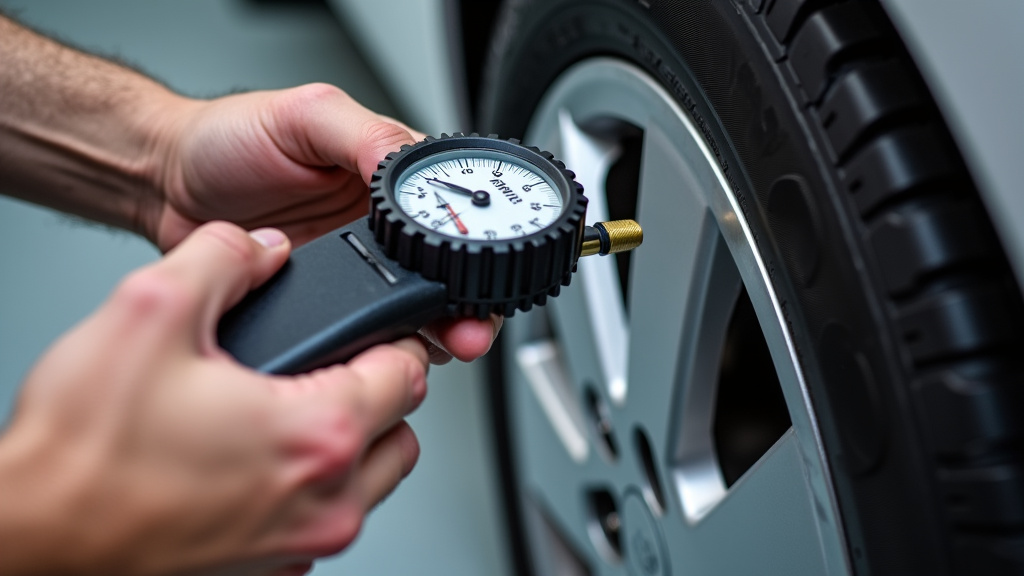
When to Consider Professional Calibration
While most home calibration is effective for basic needs, some situations call for professional help. If your gauge is a high-end or specialized model, its manual might recommend professional calibration periodically. Also, if you’ve tried multiple times to calibrate an analog gauge without success, the internal mechanism might be worn or broken. In these cases, taking it to a tire shop or automotive service center is a good idea. They have precise equipment and expertise to ensure accuracy.
Tips for Maintaining Gauge Accuracy
Keeping your gauge in good condition helps maintain its accuracy over time. Always store your gauge properly. Avoid dropping it, as this can damage the internal components. Protect the gauge’s display and any delicate parts from dirt and moisture. Some experts recommend checking your gauge’s accuracy at least once every few months. This regular check ensures you’re always getting reliable tire pressure readings. Keeping your tires properly inflated is key for your safety and your car’s longevity.
Digital Gauge Maintenance
For digital gauges, keep an eye on the battery level. Low batteries can cause inaccurate readings. Replace the batteries as needed. Store your digital gauge in a dry place, away from extreme temperatures. Moisture can damage the electronic components.
Analog Gauge Maintenance
Analog gauges are generally quite robust. However, avoid exposing them to extreme heat or cold for extended periods. If you have a pencil gauge, make sure the slider mechanism moves freely. A little graphite powder can sometimes help if it feels stiff. Always ensure the cap is on when not in use to protect the measuring rod.
Calibration Checklist
Here’s a quick checklist to help you through the calibration process:
- Consult your gauge’s manual for specific instructions.
- Obtain a reliable reference pressure source (another accurate gauge).
- Test your gauge against the reference to identify discrepancies.
- Adjust calibration screws on analog gauges if needed.
- Reset or recalibrate digital gauges following manufacturer steps.
- Test again after adjustments to confirm accuracy.
Conclusion
You’ve learned that calibrating your tire pressure gauge is a straightforward task that makes a big difference. By ensuring your gauge is accurate, you’re protecting your tires from premature wear and improving your car’s fuel efficiency. We found that regular checks, whether for your digital or analog gauge, are simple to perform. Always remember to consult your gauge’s manual and use a trusted reference. Your next step is to schedule a quick check of your gauge this week. It’s a small effort for lasting peace of mind and better performance from your vehicle.
Frequently Asked Questions
How often should I calibrate my tire pressure gauge?
We recommend checking your gauge’s accuracy at least every few months. If you use your gauge frequently or suspect it’s been damaged, it’s a good idea to check it sooner. Consistent checks ensure you always have reliable readings.
What if my digital gauge has no calibration button?
Many digital gauges don’t have a specific calibration button. In these cases, consult your user manual for any reset procedures. Sometimes, simply replacing the batteries or turning it off and on again can help recalibrate it.
Can I calibrate my tire pressure gauge using a gas station air pump?
You can use a gas station pump as a reference if you trust its calibration. However, their gauges can also fall out of calibration. It’s best to compare your gauge to a known accurate source if possible.
Is it worth calibrating a cheap tire pressure gauge?
While inexpensive gauges might not hold calibration for long, checking their accuracy is still beneficial. If a cheap gauge is consistently off, it might be more cost-effective to invest in a higher-quality model for reliable readings.
What temperature is best for calibrating my gauge?
For the most accurate calibration, we found it’s best to test your gauge at a stable room temperature. Extreme hot or cold temperatures can affect the performance of both analog and digital gauges.
