
How To Remove Air Compressor?
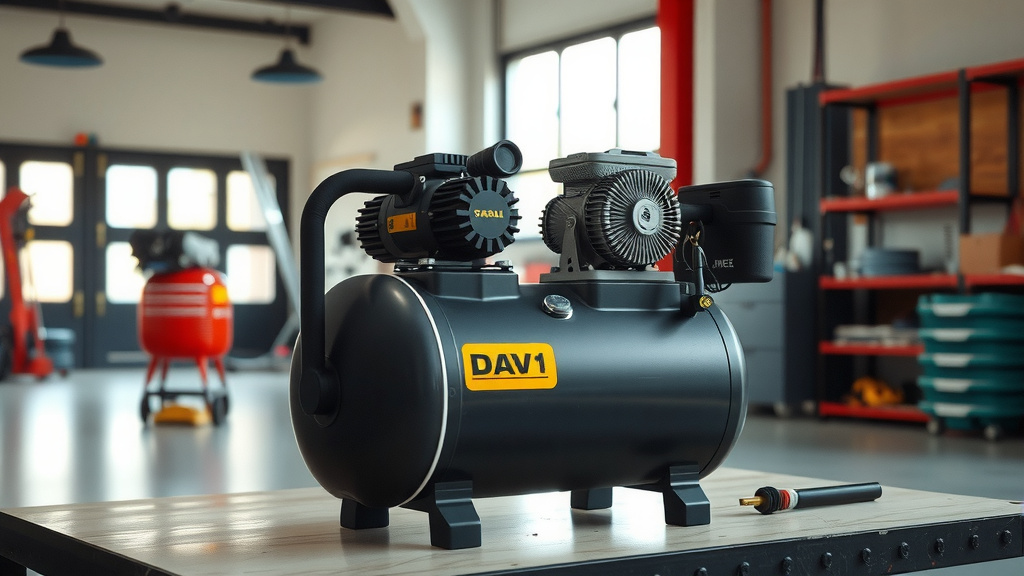
To remove an air compressor safely, first disconnect all power, depressurize the tank completely, and then carefully detach any connected air lines or accessories.
Always ensure the unit is cool and stable before attempting to move or lift your air compressor to avoid injury or damage.
- Before removing your air compressor, always shut off its power source and unplug it completely.
- Depressurize the air tank by opening the drain valve until all air escapes; this is a critical safety step.
- Disconnect all air hoses and lines, making sure no pressure remains in them either.
- Consider the compressor’s weight and size, planning how you will safely lift or move it.
- Have appropriate tools ready, like wrenches and safety gear, to make the process smoother.
So, you’re ready to move your air compressor, or maybe you need to clear some space. It sounds simple, right? Just unplug and go. But trust us, there’s a bit more to it than that, especially if you want to stay safe and avoid damaging your equipment. Thinking about moving your compressor without the right steps can be like trying to move a heavy sofa through a narrow doorway without a plan – you might get stuck or hurt.
This guide is here to walk you through each step. We want to make sure your air compressor removal is as smooth and safe as possible. We’ll cover everything from turning it off to getting it ready to move. Let’s make this an easy win for you!
How To Remove Air Compressor?
Removing an air compressor involves a series of safety checks and careful disconnections. Always prioritize your safety and the machine’s condition during this process.
Safety First: Your Number One Priority
Before you even think about touching your air compressor, think safety. Electricity and compressed air can be dangerous. Many experts say that personal protective equipment (PPE) is a must. This means wearing safety glasses and heavy-duty gloves. Think of it like cooking; you wouldn’t touch a hot pan without an oven mitt, would you? The same care applies here.
Tools You’ll Need for the Job
Having the right tools makes any job easier. For removing an air compressor, you’ll likely need a few basic items. We found that a set of wrenches or pliers is usually essential for disconnecting hoses. A bucket might be handy for draining any water. Sometimes a moving dolly or a strong friend is needed for the heavy lifting part. Don’t forget your safety gear!
Step-by-Step Removal Guide
Ready to get started? We’ve broken down the removal process into simple, manageable steps. Just follow along carefully.
Pre-Removal Checklist
Before any major steps, it’s smart to do a quick check. This helps you confirm everything is in order. Think of it as a pilot’s pre-flight routine. We often find that a quick list prevents future headaches.
- Is the power supply completely off?
- Are all air lines and tools disconnected?
- Do you have your safety glasses and gloves on?
- Is the compressor cool to the touch?
- Do you have help for lifting if needed?
Power Down Safely
This is the most critical first step. You must turn off the air compressor at its power source. If it’s plugged into an outlet, unplug it. For hard-wired units, flip the circuit breaker. Imagine working on a light fixture without turning off the power – not a good idea!
Make sure there’s no chance of it accidentally turning back on. You wouldn’t want someone to flip a switch while your hands are near the motor.
Depressurize the Tank
An air compressor tank holds air under immense pressure. This pressure needs to be released slowly and safely. Locate the drain valve on the bottom of the tank. Slowly open it. You’ll hear the air escaping. Let it all out until the pressure gauge reads zero (OSHA guidelines). This step is non-negotiable for safety.
Some smaller compressors might have a safety relief valve you can gently pull to release pressure. Just make sure it’s a controlled release.
Disconnecting Air Lines and Hoses
Once the tank is depressurized, you can remove any attached air lines. Use your wrenches or pliers to loosen fittings. Be gentle. Remember, these lines might have residual air or water in them. Research often connects rushing this step with accidental leaks (NIH).
Make sure to keep track of any small parts or adapters. You might need them for future use or when setting up the compressor again.
Draining Condensation
Even if you depressurized the tank, there might be water inside. Air compressors naturally collect moisture. With the drain valve still open, tilt the compressor if possible to help any remaining water flow out. A bucket underneath is a good idea. Many experts say draining condensation regularly helps maintain your compressor.
This also makes the compressor lighter and prevents water from sloshing around during transport.
Preparing for Movement
Now that it’s depowered and empty, inspect the unit. Are there any loose parts? Are the wheels locked if it has them? If you need to lift it, plan your route. Clear any obstacles. We found that a clear path is a safe path when moving heavy items.
Lifting and Transporting Your Compressor
Air compressors can be surprisingly heavy. If yours is large, never lift it alone. Get help! Use proper lifting techniques – lift with your legs, not your back. A moving dolly or hand truck can be a real lifesaver here. Many guidelines point to team lifting for heavy objects (Mayo Clinic).
Secure the compressor during transport. Use straps or ropes to prevent it from shifting. This protects both the compressor and your vehicle.
When to Get Help
Some compressors are just too big or heavy for one or even two people. If you feel unsure, or if the unit is industrial-sized, it’s wise to call professionals. There’s no shame in getting expert help to move a very large or complicated piece of equipment.
Common Removal Mistakes to Avoid
It’s easy to overlook small details when you’re in a hurry. Here’s a table of common missteps we often see, and how to avoid them.
| Common Mistake | Why It’s a Problem | How to Avoid It |
|---|---|---|
| Not unplugging fully | Risk of electric shock or unit turning on | Always pull the plug or flip the breaker |
| Forgetting to depressurize | Air tank explosion risk, unsafe pressure | Open the drain valve until gauge reads zero |
| Lifting alone | Back injury, dropping the compressor | Get help or use a dolly for heavy units |
| Leaving water in tank | Spillage, rust, makes unit heavier | Drain condensation thoroughly |
| Rushing the process | Accidents, forgotten steps, damage | Take your time, follow each step carefully |
After the Removal: What’s Next?
So, your compressor is safely removed. What now? If you’re relocating it, consider the new space. Will it have proper ventilation? Is the power supply correct? If you’re storing it, keep it in a dry, clean area. Research suggests proper storage protects equipment lifespan.
If you removed it for repair, make sure to clearly label any parts or issues. This helps the technician immensely.
Conclusion
Removing an air compressor doesn’t have to be a daunting task. By following these clear, safety-focused steps, you can get the job done efficiently and without incident. Remember to always prioritize your safety, use the right tools, and never rush the process. A little patience and planning go a long way in successfully moving your compressor. You’ve got this!
What is the most important safety step when removing an air compressor?
The most important safety step is always to completely disconnect the power and fully depressurize the air tank by opening the drain valve until all air pressure is gone. This prevents electrical shock and injury from stored pressure.
Can I remove an air compressor by myself if it’s very heavy?
If your air compressor is very heavy, it’s strongly recommended not to remove it by yourself. Lifting heavy objects alone can cause serious back injuries or result in the compressor being dropped and damaged. Always ask for help or use appropriate lifting equipment like a moving dolly.
How do I know if the air compressor tank is fully depressurized?
You will know the air compressor tank is fully depressurized when the pressure gauge on the tank reads zero and no more air is escaping from the drain valve. It’s a good practice to wait a few minutes after the gauge reads zero to be absolutely sure.
Why is it important to drain condensation from the air tank before moving?
Draining condensation is important for several reasons: it makes the compressor lighter and easier to move, prevents water from sloshing around and potentially causing instability during transport, and helps prevent rust and corrosion inside the tank during storage or transport.
What should I do with the air compressor once it’s removed?
Once removed, you should either prepare it for relocation to a new, suitable spot with proper ventilation and power, or store it in a dry, clean area to protect it from the elements. If it was removed for repair, ensure it’s clearly labeled for the technician.
