
How To Turn An Air Compressor Into A Vacuum Pump?
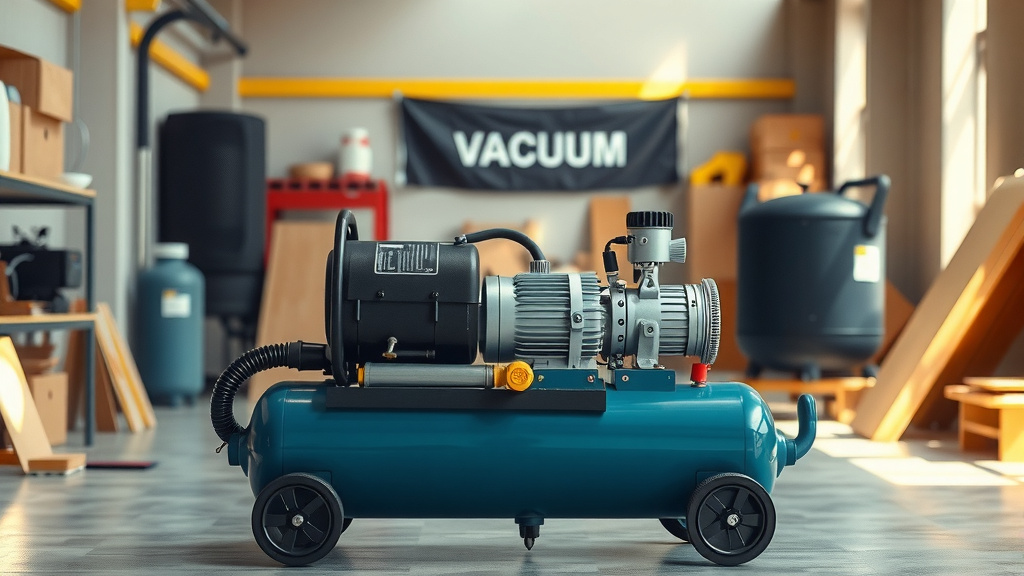
To turn an air compressor into a vacuum pump, you generally need to modify its intake and exhaust ports and ensure it has the proper seals for pulling a vacuum. This transformation typically involves a few key mechanical adjustments.
You can convert some types of air compressors, especially reciprocating piston models, into a functioning vacuum pump by reversing airflow and adding specific components to create negative pressure.
Before you dive into the details, here’s a quick summary of what you need to know about converting your air compressor:
- Converting an air compressor to a vacuum pump is possible for some models, particularly piston-driven types.
- The main idea involves reversing how air moves and sealing the system tightly to pull a vacuum.
- You’ll likely need specific parts such as check valves, filters, and possibly a dedicated vacuum tank.
- Safety is paramount; proper setup prevents damage to your equipment and potential injury.
- This DIY project suits particular needs and might not match the power of a commercial vacuum pump.
How To Turn An Air Compressor Into A Vacuum Pump?
Turning an air compressor into a vacuum pump involves reconfiguring its basic function from pushing air to pulling it. This process often focuses on the intake and exhaust system to create negative pressure.
You’ll essentially be making the compressor draw air from a sealed container, rather than push air into it. This isn’t a complex process for certain compressor types, but it demands careful attention to detail.
Understanding the Basics: Compressor vs. Vacuum Pump
An air compressor takes ambient air, then compresses it, and stores it under pressure. Think of it as a machine that pushes air forcefully.
On the flip side, a vacuum pump removes air or other gases from a sealed space. It creates a region of very low pressure, effectively pulling air out.
The core components, like pistons and valves, are quite similar in many compressor and vacuum pump designs. This is why a conversion can be feasible.
Can All Air Compressors Be Converted?
Not every air compressor is a good candidate for conversion. Reciprocating piston compressors, which use a piston to move air, are often the best choice.
Their design allows for easier modification of airflow. Rotary screw or scroll compressors are generally much harder, if not impossible, to convert effectively. We found that piston-driven models offer the most straightforward path.
Essential Components You’ll Need
To start your conversion, gather these key items. You’ll want to ensure you have everything on hand before beginning the work.
- Check Valves: These are critical for controlling airflow and maintaining vacuum.
- Vacuum Gauge: Essential for monitoring the vacuum level you are pulling.
- Air Filter: To protect your compressor’s internal parts from debris when drawing air.
- Sealant Tape or Compound: For ensuring airtight connections.
- Fittings and Hoses: To connect components securely and without leaks.
- Vacuum Tank (Optional but Recommended): Helps maintain a stable vacuum and can act as a reservoir.
Step-by-Step Conversion Guide
Ready to get your hands a little dirty? This guide will walk you through the practical steps to convert your air compressor.
Safety First: Preparing Your Workspace
Before touching any tools, always prioritize safety. Make sure your compressor is unplugged and depressurized. Wear appropriate safety gear, like eye protection and gloves.
Working in a clear, well-lit area also helps prevent accidents. A clean space is often a safe workspace.
Modifying the Air Intake
The first step often involves reconfiguring the intake port. On a compressor, this is where air normally enters to be compressed.
You will need to connect your vacuum line to this port. Some experts say you might need to add a check valve here to prevent air from flowing back in (Popular Mechanics).
Addressing the Exhaust Port
The exhaust port, where compressed air normally exits, will now need to be open to the atmosphere. This allows the compressor to expel any remaining air or moisture drawn in.
Some conversions might require adding another check valve here, too. This helps with the one-way flow of air.
Adding a Vacuum Gauge and Regulator
A vacuum gauge is non-negotiable for this project. It lets you see exactly what vacuum level you are achieving.
Mount it near the intake of your now-vacuum pump. A regulator, while optional, can help you control the degree of vacuum, which is useful for delicate tasks.
Securing Connections and Testing
Every connection must be absolutely airtight. Use sealant tape or compound on all threaded fittings to prevent leaks. Even tiny leaks can severely impact your vacuum performance.
Once everything is connected, do a test run. Listen for strange noises and check the vacuum gauge to see if it’s pulling a vacuum correctly. You are aiming for a stable, negative pressure reading.
You might use soapy water on connections to easily spot air leaks. Bubbles will reveal any escape points.
| Feature | Air Compressor | Vacuum Pump |
|---|---|---|
| Primary Function | Pushes air into a tank | Pulls air from a sealed space |
| Pressure Type | Positive pressure | Negative pressure (vacuum) |
| Typical Output | High-pressure air | Low-pressure void |
| Airflow Direction | Intake to exhaust (out) | Exhaust to intake (in) |
Practical Applications for Your DIY Vacuum Pump
Once converted, your new vacuum pump has a surprising number of uses around the workshop or home. It’s more versatile than you might initially think.
You could use it for simple vacuum forming projects, degassing epoxies or resins, or even for specific automotive tasks like bleeding brakes. Many hobbyists find them quite useful for small projects.
Important Considerations and Potential Drawbacks
While converting your compressor can save money, there are trade-offs. A converted unit might not achieve the same deep vacuum or efficiency as a purpose-built vacuum pump.
The motor might also work harder, potentially shortening its lifespan if used continuously. Noise levels can also be a factor, often being higher than a dedicated vacuum pump.
Maintenance for Your Converted System
Regular maintenance is still key. Check your oil levels often if it’s an oil-lubricated compressor, and replace air filters as needed. Seals and hoses should be inspected for wear and leaks regularly.
Keep your system clean, both inside and out, to ensure its longevity. Proper care helps extend equipment life.
Here’s a quick checklist to review before you power on your converted unit:
- Is the compressor unplugged before any adjustments?
- Are all connections tight and sealed with tape?
- Is the vacuum gauge securely installed and visible?
- Have you checked for any loose hoses or fittings?
- Do you have proper eye and hand protection ready?
- Are you aware of the compressor’s maximum vacuum rating?
Conclusion
Converting an air compressor into a vacuum pump is a practical project for those with the right equipment and a knack for DIY. It requires understanding how your compressor works and making careful modifications to redirect its airflow.
While it may not replace a professional vacuum pump for every task, a well-executed conversion can certainly expand your tool’s capabilities. Remember, safety and airtight connections are the keys to a successful transformation. Enjoy the versatility of your newly converted tool!
How deep of a vacuum can a converted air compressor pull?
The depth of vacuum a converted air compressor can pull varies widely based on the compressor’s type, condition, and the quality of your seals. Many home conversions can achieve around 20-25 inches of mercury (inHg) vacuum, which is suitable for many hobby and light industrial tasks.
Is it safe to run an air compressor as a vacuum pump continuously?
Running a converted air compressor continuously as a vacuum pump can put extra strain on its motor and components. While short bursts are generally fine, extended continuous operation may lead to overheating or premature wear. It’s best to monitor the unit closely and allow for cooling periods.
Do I need to change the oil in my compressor if I convert it to a vacuum pump?
If your air compressor is oil-lubricated, you should maintain its oil as usual, even when converted to a vacuum pump. The oil lubricates the internal moving parts regardless of whether it’s compressing or pulling a vacuum. Many manufacturers recommend specific oil types and change intervals for optimal performance.
What are common problems faced when converting an air compressor?
Common problems include vacuum leaks from poorly sealed connections, insufficient vacuum depth due to an incompatible compressor type, or motor overheating from continuous operation. Incorrectly installed check valves can also lead to issues with maintaining the vacuum.
Can a small portable air compressor be converted into a vacuum pump?
Yes, many small portable piston-style air compressors can be converted into vacuum pumps, often with good success for light-duty applications. Their compact size makes them convenient for projects where a large vacuum pump is overkill. Always verify the compressor’s design before attempting a conversion.
