
How To Use Rivian Air Compressor?
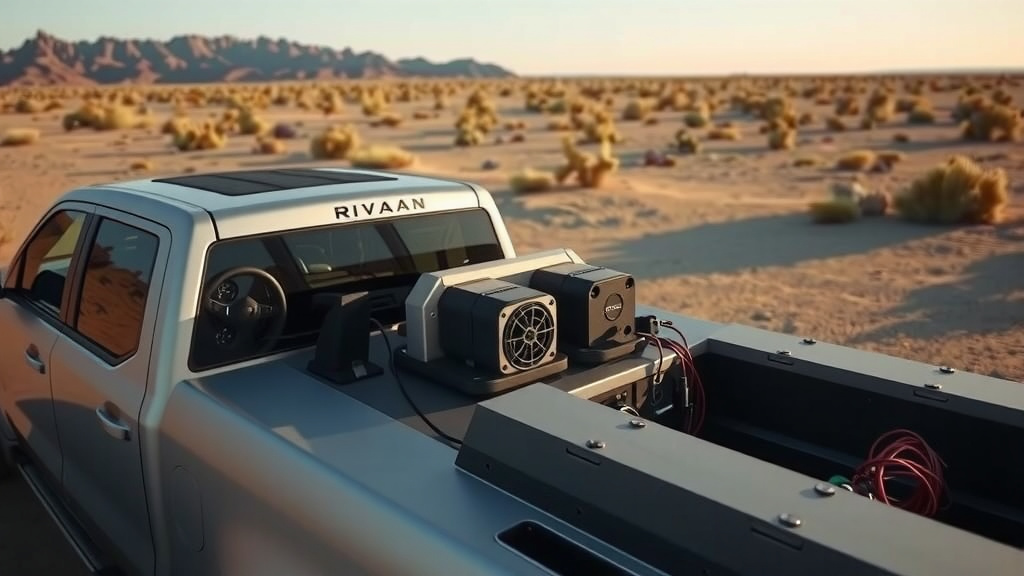
To use the Rivian air compressor, you simply locate it in the front trunk (frunk), connect the hose to your tire valve, set the desired PSI on the touchscreen, and let it inflate. It’s designed for easy access and quick inflation for your tires and other gear.
The Rivian air compressor provides a convenient way to maintain optimal tire pressure and inflate recreational items right from your vehicle, ensuring you’re always prepared for the road or trail.
Here’s a quick overview of what you’ll find:
- Locating and accessing your Rivian’s built-in air compressor.
- Step-by-step guide to connect the hose and inflate items.
- Understanding the digital controls for setting tire pressure.
- Important safety tips and best practices for use.
- Handy tricks for inflating various gear beyond just tires.
How To Use Rivian Air Compressor?
Using your Rivian’s onboard air compressor is straightforward. It’s a fantastic tool for keeping your tires properly inflated or airing up camping gear right on the go.
Finding Your Rivian Air Compressor
Your Rivian R1T or R1S comes with a conveniently located air compressor. You will find it tucked away inside the front trunk, often called the “frunk.” It’s designed for easy access when you need it most.
Opening the Frunk
To open the frunk, simply use your Rivian’s touchscreen display. You can also use the Rivian mobile app or the key fob. Once it pops open, you’ll see the compressor neatly stored on the side.
What’s Included with the Compressor?
When you get to the compressor, you’ll see a few key components. There’s the compressor unit itself, a coiled air hose, and usually a few different nozzle attachments. These attachments help you inflate various items, not just tires.
Connecting the Air Hose
Before you start inflating, you need to connect the air hose properly. This step is super easy and ensures a good seal for efficient inflation.
Attaching to the Compressor
First, uncoil the air hose. Then, securely screw or push the hose fitting onto the compressor’s air outlet. You want a snug fit to avoid air leaks.
Connecting to Your Tire Valve
Next, remove the valve cap from your tire. Push the compressor hose’s nozzle firmly onto the tire valve stem. If it has a lever, flip it to lock the connection. You should hear minimal air escaping if it’s connected correctly.
Setting Your Desired Tire Pressure
The Rivian’s integrated system makes setting pressure very intuitive. You’ll use the central touchscreen display to tell the compressor exactly what to do.
Accessing Compressor Controls
On your Rivian’s main screen, look for the “Compressor” icon or navigate to the vehicle settings. Tapping this will bring up the dedicated interface for the air compressor. This is where you become the pilot of your tire pressure.
Adjusting PSI (Pounds Per Square Inch)
Once on the compressor screen, you’ll see options to adjust the target PSI. Use the up and down arrows or a slider to set your desired pressure. Many experts say to check your vehicle’s door jamb sticker for the correct tire pressure (NHTSA).
Starting and Stopping Inflation
With everything connected and the pressure set, you’re ready to inflate. The Rivian system is designed to be user-friendly.
Initiating the Inflation Process
Press the “Start” or “Inflate” button on the touchscreen. The compressor will automatically turn on and begin filling your tire. You’ll likely hear it working – it’s a normal sound.
Automatic Shut-Off Feature
One of the best features is its intelligence. The compressor will automatically shut off once it reaches the target PSI you set. This prevents overinflation and makes the process worry-free.
Inflating Other Items
The Rivian air compressor isn’t just for tires. It’s a versatile tool for your outdoor adventures. Think beyond just the road!
Using Different Nozzle Attachments
Remember those extra nozzles? Use them for items like bicycle tires, air mattresses, or even inflatable paddleboards. Just swap the nozzle at the end of the hose, connect, and set the appropriate pressure.
Pressure Guidelines for Various Items
Be careful when inflating items other than tires, as their pressure requirements are much lower. We found that overinflating can cause damage to recreational gear. Here’s a general guide:
| Item | Recommended PSI | Notes |
|---|---|---|
| Rivian Tires | 42-50 PSI (check door placard) | Varies by load and tire type |
| Bicycle Tires | 30-60 PSI (road/mountain) | Check tire sidewall for max |
| Air Mattress | 1-3 PSI (approx.) | Inflate until firm, not hard |
| Small Raft | 0.5-2 PSI (approx.) | Avoid overinflation |
Important Safety Tips and Best Practices
Safety first, always! Using any air compressor requires a few precautions to keep you and your vehicle safe.
Ensuring a Safe Environment
Always park your Rivian on a level, stable surface before using the compressor. Make sure the vehicle is in Park. Also, we found it’s a good practice to keep children and pets a safe distance away while the compressor is operating.
Monitoring Pressure Manually
Even with the automatic shut-off, it’s a good idea to have a separate tire pressure gauge handy. You can use it to double-check the pressure after inflation for absolute accuracy and peace of mind.
Cool-Down Periods
If you’re inflating multiple tires or a large item, the compressor might get warm. If the compressor feels hot to the touch or stops working, give it a break. Allow it to cool down before continuing to prevent overheating. This helps prolong its lifespan.
Troubleshooting Common Compressor Issues
Occasionally, you might encounter a small hiccup. Don’t worry; most issues are easy to fix.
No Air Flow? Check Connections
If no air is coming out, first recheck all your connections. Ensure the hose is securely attached to both the compressor and the item you’re inflating. A loose connection is often the culprit.
Compressor Not Turning On?
Verify that your Rivian is on (or in Accessory mode) and the compressor is selected on the touchscreen. Sometimes, a quick restart of the vehicle’s infotainment system can resolve minor electronic glitches. If the issue persists, consult your Rivian manual.
Pre-Inflation Checklist
A quick mental run-through can make your inflation task seamless. Here’s a checklist to follow:
- Is your Rivian parked safely and securely?
- Are the valve caps removed from the tires or items?
- Is the air hose connected firmly at both ends?
- Have you set the correct target PSI on the screen?
- Do you have your external pressure gauge ready for verification?
Conclusion
Your Rivian’s onboard air compressor is a truly valuable feature, offering incredible convenience whether you’re adjusting tire pressure for optimal performance or airing up gear for your next adventure. By following these simple steps, you can confidently and safely use this tool to stay prepared for whatever the road—or trail—brings. Keeping your tires at the right pressure not only boosts safety but also improves efficiency, making every journey better.
Can I use the Rivian air compressor while driving?
No, you should only use the Rivian air compressor when the vehicle is parked and safely stationary. Attempting to use it while driving is not possible and unsafe.
How long does it take to inflate a flat tire with the Rivian compressor?
Inflation time varies based on the tire size and how low its pressure is. Typically, it can take anywhere from 5 to 15 minutes to fully inflate a moderately low tire. Always ensure the compressor cools down if used for extended periods.
Are there any maintenance steps for the Rivian air compressor?
The Rivian air compressor is largely maintenance-free. Keep the hose and nozzles clean and free of debris. Store them properly after use to prevent damage. We found that checking for kinks or cracks in the hose occasionally is a good practice.
What if the compressor stops working before reaching the set pressure?
If the compressor stops prematurely, it might be due to overheating, especially after continuous use. Allow it to cool for 15-20 minutes, then try again. If the problem continues, ensure all connections are tight or consult your Rivian service center.
Can I use the Rivian air compressor for car tires other than my Rivian’s?
Yes, you can absolutely use your Rivian’s compressor to inflate tires on other vehicles, provided you have access to their tire valves and know the correct PSI for those tires. It’s a handy tool for friends or family in a pinch!
