Is 110 PSI Air Compressor Good?
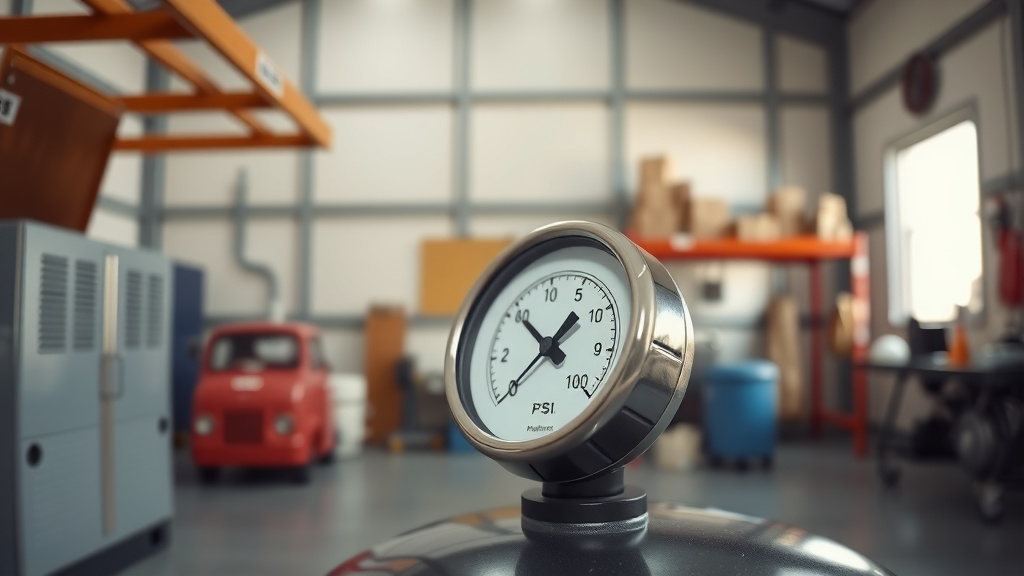
Yes, a 110 PSI air compressor is generally good and quite versatile for a wide range of common tasks around your home and garage.
It offers ample pressure for inflating tires, powering most automotive tools, and handling various DIY projects with ease.
Here’s a quick summary of what a 110 PSI air compressor offers:
- You get enough power for many everyday tasks, from filling up car tires to operating staple guns.
- It’s a great choice for home workshops and casual automotive work.
- While powerful for many uses, it might not suit heavy-duty industrial tools that demand higher constant pressure.
- Consider your tools’ CFM requirements alongside PSI for the best performance.
Is 110 PSI Air Compressor Good?
A 110 PSI air compressor is a solid choice for many users, offering a balanced mix of power and practicality. It often hits that sweet spot for DIY enthusiasts and hobbyists.
Think of it as the versatile multi-tool of the air compressor world; it handles a lot of different jobs quite well.
Understanding PSI: What Does it Mean for You?
PSI stands for “Pounds per Square Inch.” It measures the air pressure an air compressor can generate. This pressure is what pushes air out to operate your tools or inflate items.
When you see 110 PSI, it means the compressor can build up to 110 pounds of force for every square inch of internal tank surface. That’s a good amount of push!
What Can You Really Do with 110 PSI?
With 110 PSI, you gain the ability to tackle a surprising number of projects. This pressure level is enough for tasks that need a strong, steady burst of air.
It’s like having a reliable workhorse in your garage, ready for when you need it.
Common Uses for a 110 PSI Compressor
Many experts say that 110 PSI is more than sufficient for the typical homeowner or small workshop. You’ll find yourself reaching for it constantly.
Here are some popular ways you can put a 110 PSI compressor to work:
- Tire Inflation: Easily inflates car, truck, bike, and even tractor tires.
- Sports Equipment: Quickly fills basketballs, footballs, and air mattresses.
- Nail Guns: Powers most framing, finish, and brad nailers for construction and woodworking.
- Impact Wrenches: Good for loosening lug nuts on cars and other moderate tasks.
- Paint Sprayers: Suitable for many airbrushes and small to medium-sized paint spray guns.
- Blow Guns: Excellent for cleaning sawdust, debris, and drying surfaces.
Automotive Applications
For your car or truck, a 110 PSI compressor is incredibly handy. You can easily top off your tires, which is critical for fuel efficiency and safety (AAA). We found that maintaining correct tire pressure saves money in the long run.
It can also power impact wrenches for lighter auto repairs or rotate your tires. You might even use it for basic detailing, blowing dust out of crevices.
Home & Workshop Projects
Imagine effortlessly attaching trim with a nail gun or quickly dusting off your workbench. That’s the convenience a 110 PSI compressor brings.
It’s perfect for DIY projects like building furniture, fencing repairs, or even small painting jobs around the house. We often see it recommended for general home improvement (Home Depot).
Is 110 PSI Enough for Professional Use?
For many professional tasks, especially those requiring continuous, heavy-duty tool operation, 110 PSI might be borderline. Some larger industrial tools often demand higher CFM (Cubic Feet per Minute) and sometimes higher PSI.
However, for a professional contractor specializing in trim work or small-scale framing, 110 PSI with a good CFM output can be very effective.
When Might You Need More or Less PSI?
It’s a good question to ask yourself: “What are my tools asking for?” Not all air tools need the same pressure. Some delicate tasks need less, while heavy-duty jobs might need more.
Understanding these needs helps you choose the right compressor. Let’s look at some examples:
| PSI Range | Typical Uses | What It Means for You |
|---|---|---|
| <70 PSI | Airbrushing, delicate inflation, basic blow guns. | Good for light hobbies, arts and crafts. Less power. |
| 70-110 PSI | Nail guns, small impact wrenches, general inflation, light painting. | Excellent all-rounder for home and small workshop. |
| >110 PSI | Heavy-duty impact wrenches, sandblasting, commercial paint spraying, industrial tools. | For demanding professional or industrial applications. More power needed. |
Tools That Love 110 PSI
Many air tools are designed to operate around the 90 PSI mark, which makes a 110 PSI compressor an ideal partner. It gives you that extra headroom you need for sustained performance.
Think about finish nailers or impact drivers. They often hum along happily with this pressure, delivering consistent results.
Considering CFM with PSI
PSI tells you how hard the air pushes, but CFM (Cubic Feet per Minute) tells you how much air volume is delivered. Both are important for tool performance. For instance, a small tire needs less CFM than a large tractor tire to fill efficiently.
Many experts emphasize that matching your compressor’s CFM to your tools’ CFM requirements is just as critical as PSI (Pneumatic Handbook). A 110 PSI compressor with adequate CFM ensures your tools run without interruption.
Choosing Your 110 PSI Compressor: Key Factors
When selecting a 110 PSI air compressor, don’t just look at the PSI. Consider other features that impact its usability and longevity.
It’s about finding the right fit for your specific needs, like choosing the right shoe for a marathon.
Tank Size Matters
The tank stores compressed air. A larger tank means the compressor runs less often to maintain pressure. For intermittent tasks like inflating tires, a smaller tank is fine. For continuous use, like spray painting, you’ll appreciate a bigger tank.
A 110 PSI compressor with a 6-gallon tank is popular for portability, while 20-gallon tanks are common for workshops.
Portability vs. Power
Do you need to move your compressor around often, or will it stay in one spot? Smaller 110 PSI models are often called “pancake” or “hot dog” compressors and are quite portable.
Larger models, while more powerful and with bigger tanks, are often less convenient to move. Balance your need for mobility with your power demands.
Tips for Getting the Most from Your Compressor
Once you have your 110 PSI air compressor, a little care and attention can make it last longer and perform better. Treat your tools well, and they’ll treat you well.
Here’s a quick checklist to ensure you’re getting top performance:
- Regularly drain the air tank to prevent rust and moisture buildup.
- Check and clean the air filter often, especially in dusty environments.
- Keep an eye on air leaks; even small ones waste power and reduce efficiency.
- Always wear appropriate safety gear, like eye and ear protection.
- Match your air hose diameter to your tool’s requirements for optimal airflow.
- Consult your compressor’s manual for specific maintenance schedules and advice.
Conclusion
Absolutely, a 110 PSI air compressor is a very good investment for most homeowners, DIY enthusiasts, and many light professional users. It provides a robust amount of pressure suitable for a vast array of tasks, from keeping your tires properly inflated to powering essential workshop tools.
By understanding what 110 PSI offers and considering factors like CFM and tank size, you can confidently choose a compressor that serves your needs reliably. It’s a versatile powerhouse that brings efficiency and convenience to your projects.
Is 110 PSI enough for automotive painting?
For small automotive touch-ups or airbrushing, 110 PSI is often enough, especially if paired with a compressor that has sufficient CFM. However, for full vehicle repaints or professional bodywork, many experts recommend higher PSI and significantly higher CFM, typically from industrial-grade compressors, to ensure a smooth, even finish (Sherwin-Williams Auto Paint). The quality of the paint sprayer also plays a big role.
Can a 110 PSI air compressor run a sandblaster?
A 110 PSI air compressor generally provides enough pressure for smaller, intermittent sandblasting tasks. However, sandblasting is very demanding on CFM. You’ll likely need a compressor with a much higher CFM output (around 10-20 CFM at 90 PSI) and a large tank to maintain consistent pressure without constantly cycling, even if the PSI is adequate. For continuous heavy-duty sandblasting, a 110 PSI unit might struggle.
What’s the difference between PSI and CFM for a compressor?
PSI (Pounds per Square Inch) measures the force or intensity of the compressed air, telling you how hard the air pushes. CFM (Cubic Feet per Minute) measures the volume or quantity of air that the compressor can deliver in a minute. Both are critical for different reasons; PSI ensures the tool has enough “push,” while CFM ensures it has enough “flow” to operate continuously without pressure drops.
Is a 110 PSI compressor loud to operate?
The noise level of a 110 PSI compressor isn’t solely determined by its PSI. Many factors like motor type (oil-lubricated vs. oil-free), construction, and tank size affect how loud it is. Smaller, oil-free models tend to be louder, while larger, oil-lubricated compressors can sometimes be quieter. Always check the decibel (dB) rating before purchasing if noise is a concern, and consider using hearing protection (OSHA guidelines).
How often should I drain the tank of my 110 PSI air compressor?
Many manufacturers and experts recommend draining your air compressor tank daily or after each use. Air compression creates condensation, which collects in the tank. If left undrained, this moisture can lead to rust inside the tank, compromising its integrity and potentially shortening the compressor’s lifespan. It’s a simple maintenance step that makes a big difference in the longevity of your unit.
