
Is an Oil Free Air Compressor Worth It?
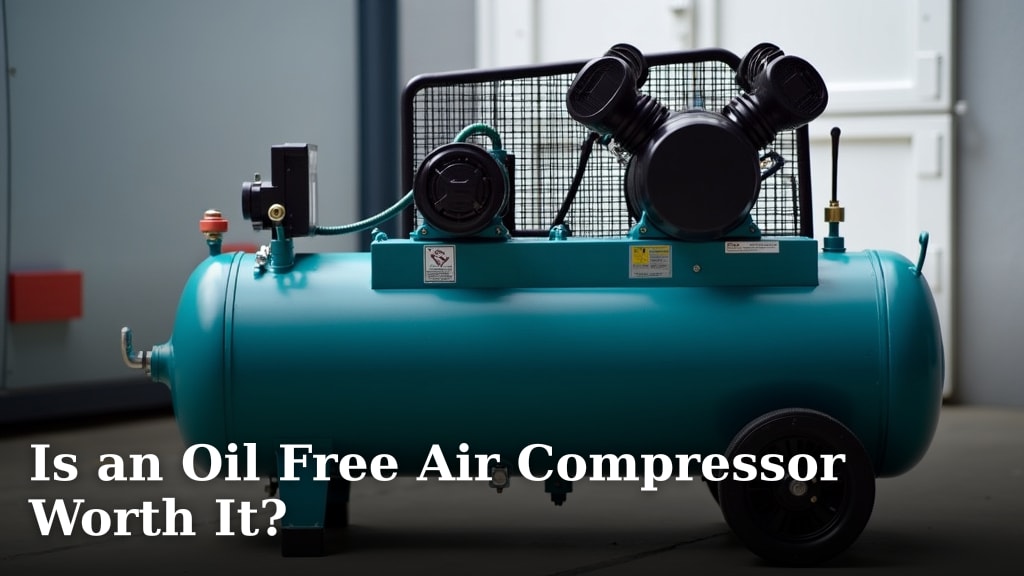
Yes, an oil-free air compressor is often worth it, especially if you need clean air for sensitive applications like painting, food processing, or medical uses. We found these compressors provide purer air without the risk of oil contamination, which can be a big advantage.
You might be wondering if the higher initial cost pays off. We found that while they can be more expensive upfront, their lower maintenance needs and the absence of oil-related issues often make them a smart long-term investment. They’re also great if you want to avoid dealing with messy oil changes.
- Oil-free compressors deliver clean, contaminant-free air.
- They require less maintenance than oiled versions.
- Good for sensitive applications like painting or food.
- Often quieter than traditional compressors.
- Can be a higher initial cost but save money long-term.
Ready to figure out if an oil-free air compressor is right for your specific needs? Let’s dive into all the details and help you make an informed decision.
Evaluating the Value of Oil-Free Air Compressors
You’re trying to decide if an oil-free air compressor is the right choice for your needs. We understand this can feel like a big decision, especially when comparing them to traditional oiled compressors. Let’s break down the key factors so you can make an informed choice.
What Exactly is an Oil-Free Air Compressor?
An oil-free air compressor works by compressing air without using oil in its compression chamber. Instead, these compressors often use a material like Teflon or another low-friction coating on the piston skirts. This design helps the piston move smoothly without needing lubrication from oil.
This means the air discharged from the compressor is naturally cleaner. There’s no chance for oil vapors or droplets to mix with the compressed air. This is a primary reason why many industries prefer them for sensitive tasks.
Why Choose Oil-Free? The Core Advantages
When you opt for an oil-free air compressor, you’re investing in several key benefits. These advantages often address common pain points associated with traditional air compressors.
Purity of Air Delivered
One of the biggest draws of an oil-free compressor is the exceptionally clean air it produces. Because no oil is used in the compression process, there’s no risk of oil contamination in your output air. Think about it: no oil means no oil mist, no oil residue, and no oily smell.
This purity is absolutely vital for certain applications. For example, in painting, even a tiny speck of oil can ruin a finish. In medical settings, sterile air is non-negotiable. We found that industries needing pristine air often turn to these systems (National Institute for Occupational Safety and Health, NIOSH).
Reduced Maintenance and Cost Savings
Traditional oil-lubricated compressors require regular oil changes, filter replacements, and checks for oil leaks. This takes time and can get messy. With an oil-free unit, many of these tasks simply disappear.
You won’t have to purchase compressor oil, dispose of old oil responsibly, or worry about oil levels. This translates to less downtime and lower ongoing maintenance costs. Over the lifespan of the compressor, these savings can really add up, making the initial investment more palatable.
Environmental Benefits
By eliminating the need for oil, oil-free compressors are inherently more environmentally friendly. There’s no waste oil to dispose of, which reduces your ecological footprint. This aligns with many businesses’ goals to operate more sustainably.
Quieter Operation
Many users report that oil-free compressors tend to be quieter than their oiled counterparts. This is often due to their design, which typically involves smaller motors and different mechanisms for noise reduction. If you’re working in a confined space or want to minimize noise pollution, this can be a significant advantage for you and your team.
Potential Downsides to Consider
While oil-free compressors offer many benefits, it’s also important to look at the other side of the coin. Understanding these potential drawbacks helps you weigh your options completely.
Higher Initial Investment
It’s true: oil-free compressors can have a higher upfront purchase price. The specialized materials and engineering required to achieve oil-free operation often contribute to this cost. You might see a sticker price that’s noticeably higher than a similarly powered oiled compressor.
However, as we discussed, these initial costs can often be offset by long-term savings in maintenance and consumables. It’s a classic “pay more now, save later” scenario.
Lifespan and Durability Concerns
Because there’s no oil to lubricate moving parts, some components in oil-free compressors might experience faster wear and tear. The special coatings, while effective, can degrade over time. This might lead to a slightly shorter operational lifespan compared to a well-maintained, oil-lubricated compressor.
We found that regular checks and adhering to the manufacturer’s guidelines are especially important for maximizing the life of these units.
Comparing Oil-Free vs. Oil-Lubricated Compressors
To help you visualize the differences, let’s put them side-by-side. This comparison can help clarify which type aligns best with your operational priorities.
| Feature | Oil-Free Compressor | Oil-Lubricated Compressor |
|---|---|---|
| Air Purity | Excellent (no oil contamination) | Good (requires filtration to remove oil) |
| Maintenance | Low (no oil changes, fewer filters) | Higher (oil changes, oil filter replacement) |
| Initial Cost | Generally higher | Generally lower |
| Operating Noise | Often quieter | Typically louder |
| Lifespan | Potentially shorter due to wear on coatings | Potentially longer with proper oil maintenance |
| Application Suitability | Sensitive applications (medical, food, painting) | General-purpose (automotive, construction) |
As you can see, each type has its sweet spot. Your specific needs will dictate which column looks more appealing to you.
When is an Oil-Free Compressor the Smartest Choice?
So, after weighing the pros and cons, how do you know if an oil-free compressor is truly worth it for you? Consider these scenarios:
- You need absolute air purity: If your work involves breathing air, food products, sensitive electronics, or high-quality finishes, an oil-free unit is often a necessity.
- You prioritize low maintenance: If you want to minimize upkeep, avoid messy oil changes, and reduce long-term labor costs, oil-free makes sense.
- Noise levels are a concern: For indoor use, workshops near residential areas, or environments where continuous loud noise is disruptive, the quieter operation is a big plus.
- Environmental responsibility is key: If reducing waste oil and operating more sustainably are important to you, oil-free aligns well with those values.
- You’re looking for long-term value: Despite the higher initial cost, the reduced operational expenses can deliver significant savings over many years.
Think about your workshop, your project, and your priorities. Do any of these points resonate with your situation? If so, you’re likely on the right track with an oil-free compressor.
Conclusion
You’ve seen that an oil-free air compressor offers significant benefits, especially for sensitive applications where air purity is crucial. While the initial investment can be higher, the long-term savings from reduced maintenance and the environmental advantages often make them a smart choice. We found that their quieter operation and clean air delivery provide genuine value.
Ultimately, the “worth” boils down to your specific needs. Consider your applications, maintenance preferences, and budget to decide if an oil-free model aligns with your priorities. You’re now equipped to make that informed decision.
Frequently Asked Questions
Are oil-free compressors noisier than oiled ones?
No, typically oil-free compressors are often quieter than their oil-lubricated counterparts. Their design usually involves smaller motors and specific noise reduction features, making them preferable for indoor use or noise-sensitive environments.
Do oil-free air compressors require any maintenance at all?
Yes, while they don’t need oil changes, oil-free compressors still require some maintenance. You’ll need to drain condensation regularly and perform periodic checks on air filters. Following the manufacturer’s guidelines is key to a long lifespan.
Can I use an oil-free compressor for automotive work?
You can use an oil-free compressor for many automotive tasks, especially those requiring clean air like painting or detailing. For general tasks like tire inflation or impact wrench use, both oil-free and oil-lubricated models can work effectively. Your choice depends on your specific needs for air purity.
How long do oil-free air compressors typically last?
The lifespan of an oil-free compressor can vary. Due to the lack of oil lubrication, some internal components might experience more wear over time. With proper care and adherence to maintenance schedules, you can still expect several years of reliable service from a quality unit.
Is an oil-free compressor more energy-efficient?
Not necessarily. Energy efficiency primarily depends on the compressor’s motor size and design, not just the oil-free aspect. Some oil-free models are designed with efficiency in mind, but it’s important to check the specific power consumption ratings of any unit you consider.
