Is It Worth Buying an Air Compressor for Occasional Use?
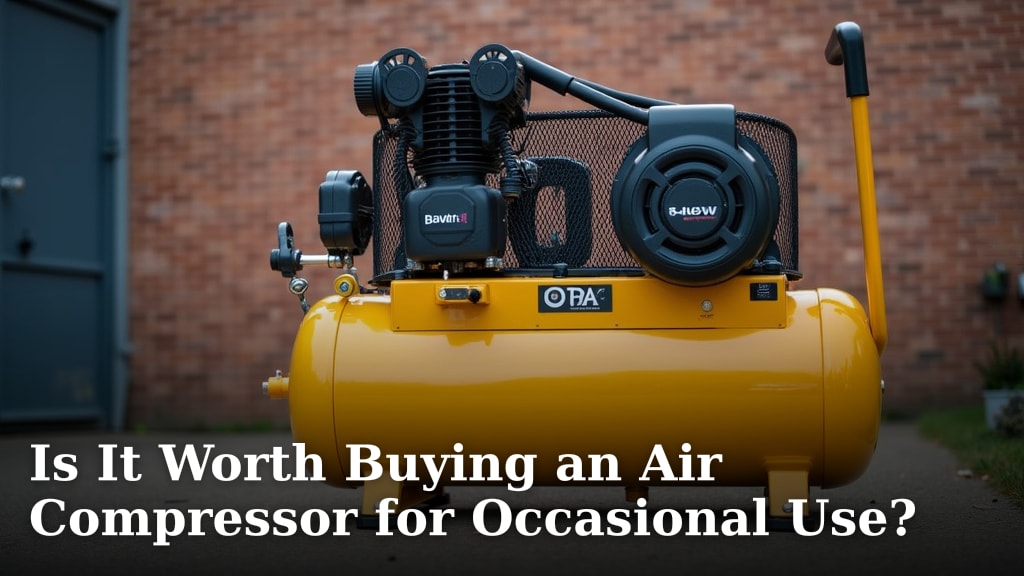
Yes, buying an air compressor for occasional use can be worthwhile, especially if you need tools that require consistent air pressure, like air nailers or inflators. While not always a necessity for every homeowner, it can be a smart investment for specific DIY tasks and vehicle maintenance.
Many people wonder if the cost and storage space are justified for infrequent use. We found that when it comes to tasks like inflating tires, powering finish nailers for small projects, or cleaning dusty areas, a portable air compressor offers convenience and efficiency that manual tools can’t match. It’s about having the right tool for the job when you need it, saving you time and effort.
- Air compressors are great for tasks needing steady air pressure.
- They save time and effort on DIY and car maintenance.
- Consider your specific needs versus the cost and storage.
- Portability is key for occasional use.
Let’s take a closer look at whether an air compressor is the right choice for your occasional needs and what factors to consider.
Thinking About Buying an Air Compressor for Light Use? Let’s Break It Down
So, you’re wondering if an air compressor is really worth it for those times you need it, but not every day. We understand that! It’s a big purchase, and you want to make sure it makes sense for your life. We found that for many homeowners and DIYers, the answer is a resounding yes. It really depends on what you plan to do with it.
Think of it this way: you wouldn’t buy a sledgehammer to hang a picture, right? The right tool makes all the difference. An air compressor is a tool that can dramatically speed up certain tasks and even make them possible in the first place. We’ve seen many people find that the convenience far outweighs the initial cost and storage concerns.
What Can an Air Compressor Actually Do for You?
Air compressors take air, compress it, and store it under pressure. This pressurized air can then be used to power a variety of tools. It’s like having a portable, mini power plant for your air-powered gadgets. We found that their usefulness extends beyond just a few niche applications.
Powering Air Tools: The Obvious Advantage
This is where air compressors truly shine. If you’re into woodworking, home renovation, or even just assembling furniture, air tools are a game-changer. We discovered that tools like finish nailers, brad nailers, and even staplers run on compressed air. They are often lighter, faster, and more powerful than their electric counterparts.
Nailing and Stapling Like a Pro
Imagine finishing a trim project or building a bookshelf without the hassle of cords or batteries. An air nailer lets you drive nails precisely and quickly. For smaller projects, a portable air compressor is perfectly adequate. We found that even a basic model can easily keep up with the demands of a brad nailer for hours of intermittent use. For smaller projects, a portable air compressor is perfectly adequate for an air nailer.
Other Air Tools to Consider
Beyond nailers, there’s a whole world of air-powered tools. You can get impact wrenches for car maintenance, air ratchets for tight spaces, and even sanders or grinders. While these might be for more serious DIYers, the compressor is the heart of it all. We found that for tasks like changing tires or quickly smoothing out a surface, an air tool powered by a compressor is often more efficient.
Inflating and More: Everyday Conveniences
But it’s not all about heavy-duty work. An air compressor can be incredibly handy for everyday tasks. You probably already know about inflating tires. We found that keeping your car, bike, or even stroller tires properly inflated saves fuel and reduces wear and tear. You probably already know about inflating tires, and this guide explains the exact PSI needed for car tires.
Tire Inflation Made Easy
No more hunting for a working air pump at the gas station! With your own compressor, you can top up your tires anytime. Many compressors come with a simple chuck that attaches directly to your tire valve. We’ve seen that for car owners, this feature alone can justify the purchase. Plus, you can use it for your kids’ inflatable pool or sports equipment. It’s a convenient solution for many inflation needs.
Cleaning Dust and Debris
Have you ever tried to clean out a dusty workshop, a computer keyboard, or even your car’s vents? A blast of compressed air can make short work of it. We found that it’s far more effective than a brush or a cloth for dislodging stubborn dust. Many compressors come with a blowgun attachment that makes this task a breeze.
What Type of Air Compressor Fits Occasional Use?
Not all air compressors are created equal. For occasional use, you’re likely looking at smaller, more portable options. We found that portability and ease of use are key factors when choosing. You don’t need a massive industrial unit if you’re just topping up tires or doing a small DIY project now and then.
Understanding Compressor Types
The main types you’ll encounter are pancake, hot dog, and twin-stack compressors. Pancake and hot dog styles are usually the most compact and portable. They are often oil-free, which means less maintenance. Twin-stack models offer a bit more air storage but can be slightly bulkier.
Pancake and Hot Dog Compressors
These are your go-to for light, occasional use. They are designed to be easily moved around. We found that they are ideal for tasks like inflating, powering a brad nailer for trim work, or using a blowgun. Their smaller size makes them easy to store in a garage or even a large closet.
What About Oil-Lubricated vs. Oil-Free?
For occasional users, oil-free compressors are generally recommended. They are lighter, require less maintenance (no oil changes!), and are usually quieter. We found that while oil-lubricated compressors might last longer under heavy use, they are often overkill for infrequent tasks and demand more upkeep.
Key Factors to Consider Before You Buy
Before you pull the trigger, let’s think about what you’ll be using the compressor for. This is where we help you figure out if it’s truly worth the investment for your specific needs. We found that asking yourself a few key questions can prevent buyer’s remorse.
Assessing Your Air Tool Needs
What air tools do you already own or plan to buy? This is the biggest factor. Every air tool has a CFM (Cubic Feet per Minute) requirement. This tells you how much air the tool needs to operate effectively. Your compressor must be able to supply at least that much CFM, preferably a little more.
CFM and PSI Explained Simply
CFM measures the volume of air. PSI (Pounds per Square Inch) measures the pressure. Most small air tools need around 2-5 CFM at 90 PSI. A compressor’s rating will tell you its maximum CFM and PSI. We found that checking the CFM requirement of your intended tools against the compressor’s output is essential.
Storage Space: Where Will It Live?
These things aren’t always tiny. Even portable models need a corner in your garage, shed, or basement. Think about how much space you have. A pancake or hot dog style compressor is usually quite compact, often less than 2 feet tall and 2 feet wide. We found that many people simply slide them under a workbench when not in use.
Noise Levels: Your Neighbors Might Thank You
Air compressors can be loud. Some older or larger models sound like a jet engine taking off. For occasional use, you might be able to get away with a slightly louder model if it’s only used for short bursts. However, many newer, smaller compressors are designed to be quieter.
We found that oil-free compressors tend to be noisier than oil-lubricated ones, but the gap is closing with newer designs. If you live in a densely populated area or have thin walls, looking for a “quiet” model might be a wise decision.
Is the Cost Justified for Occasional Use?
This is the million-dollar question, isn’t it? The cost of a decent portable air compressor can range from $100 to $300 or more. When you’re only using it a few times a year, that might seem steep. But consider the alternative.
Comparing Costs: Compressor vs. Alternatives
What’s the cost of not having one? For inflating tires, you might spend money on gas station pumps or portable electric inflators that can be slow. For nailing, you might be limited to corded nailers, which are heavier and less maneuverable, or even using a hammer and nails, which takes significantly more time and effort. We found that the time and effort saved often make up for the initial cost over the long run.
The Convenience Factor: Priceless?
Sometimes, the “worth” isn’t just about money. It’s about the ease of completing a task. Being able to quickly inflate your car tires before a road trip, or finish that trim project without struggling with manual tools, can be incredibly satisfying. We found that for many, the convenience factor is a huge part of the justification.
Checklist: Is an Air Compressor Right for Your Occasional Needs?
- Do you frequently need to inflate car tires, bike tires, or sports equipment?
- Are you planning to use air-powered nail guns or staplers for DIY projects?
- Do you have dedicated space for storage, even if it’s small?
- Is your budget comfortable with an upfront cost for tools you use infrequently?
- Would the time and effort saved on tasks justify the purchase price?
- Do you need a portable solution that can be easily moved around?
If you answered yes to several of these, then buying an air compressor for occasional use likely makes a lot of sense for you. It’s about having the power and convenience when you need it most.
Conclusion
So, is an air compressor worth it for your occasional tasks? We found the answer really hinges on your specific needs and projects. If you’re looking to speed up DIY tasks with air nailers, keep your car’s tires perfectly inflated, or tackle dusty jobs with a blast of air, a portable compressor is a smart addition to your toolkit. Think of it as an investment in convenience and efficiency.
Don’t let the idea of infrequent use deter you if it solves a real problem for you. By considering the types of tasks you do most and looking at compact, portable models, you can find a great fit. Your next step? Assess your current projects and those on your horizon. If an air compressor checks enough boxes for you, go ahead and make the investment for smoother, faster work!
Frequently Asked Questions
How much storage space do I really need for a small air compressor?
For occasional use, you’ll likely be looking at compact pancake or hot dog style compressors. We found these are often less than two feet tall and wide, making them easy to store. Many users simply slide them under a workbench or into a corner of a garage or shed when not in use.
Are oil-free air compressors good enough for light, occasional use?
Yes, oil-free compressors are generally recommended for occasional users. We found they are lighter, require less maintenance (no oil to change!), and are usually quieter than their oil-lubricated counterparts. They provide plenty of power for common tasks like inflating tires and powering brad nailers.
What’s the biggest mistake people make when buying a compressor for light use?
A common mistake is not checking the CFM (Cubic Feet per Minute) requirements of the tools you plan to use. We found that if the compressor’s CFM output is too low for your tools, they won’t operate effectively, leading to frustration. Always match the compressor’s output to your tool’s needs.
Can I use a small air compressor for car maintenance beyond just inflating tires?
Absolutely! While tire inflation is a common use, many small compressors can also power air tools like impact wrenches for changing tires or air ratchets for working in tight engine spaces. We found that these tools can make car maintenance tasks quicker and easier.
If I only use an air compressor a few times a year, is the noise a big concern?
Noise can still be a factor, especially if you live in close proximity to neighbors or have thin walls. While older models can be quite loud, we found that many newer, smaller compressors are designed to be quieter. If noise is a concern, look for models specifically advertised as “quiet.”
