
What Is a Quick Connect Coupler?
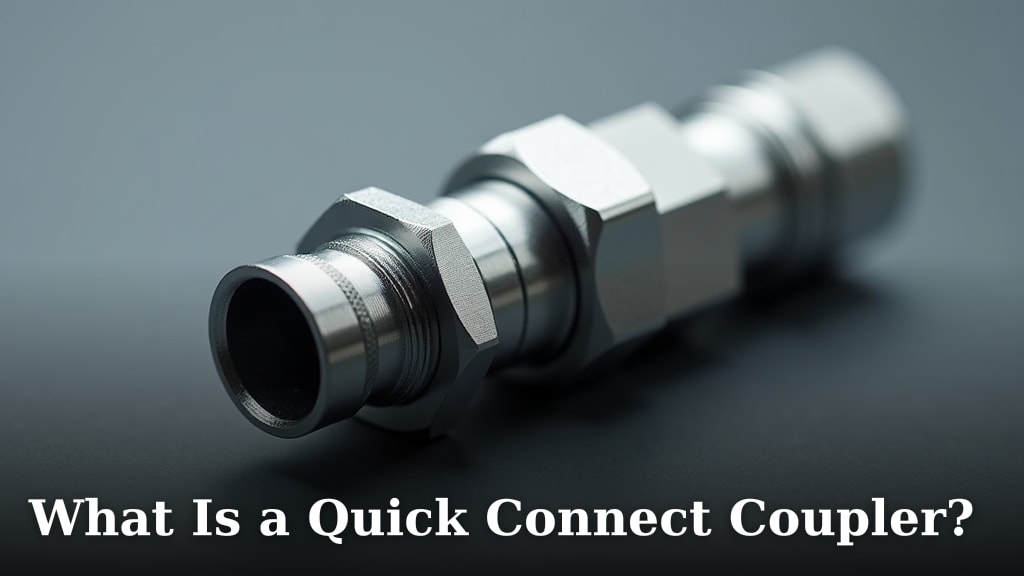
A quick connect coupler is a fitting that allows you to rapidly connect or disconnect pneumatic or hydraulic lines. It makes attaching and detaching hoses and tools super simple. You’ll find them used everywhere from garages to construction sites, saving you tons of time.
These handy devices feature a mechanism that lets you push or pull to connect or disconnect. This saves you from wrestling with threaded fittings. Many experts say they are a must-have for efficiency. They help prevent air or fluid leaks too, keeping your projects running smoothly.
- Quick connect couplers join hoses and tools fast.
- They use a simple push-or-pull mechanism.
- You can easily attach and detach lines.
- They help prevent leaks and save time.
- Find them on air tools, hydraulic equipment, and more.
We found that understanding how these work can really boost your productivity. Let’s walk through exactly what a quick connect coupler is and how you can benefit from using one.
“`htmlUnderstanding How Quick Connect Couplers Work
A quick connect coupler is essentially a handy fitting A quick connect coupler is a handy fitting that simplifies hose connections, and we review the best options available.. It’s designed to make connecting and disconnecting hoses or lines incredibly fast. Think of it like a plug-and-socket system for your air or fluid lines. You push one end in, and it clicks securely into place. Pulling a collar or sleeve then releases it just as easily.
These couplers are a huge time-saver. They eliminate the need for fiddly threading or clamping. This is why you see them so often in environments where speed and ease of use are important. They really simplify your workflow.
The Basic Components of a Quick Connect System
Most quick connect systems have two main parts. You’ll have the coupler body and the plug or nipple. The coupler is usually the part that stays attached to your tool or equipment. The plug is typically found on the end of your hose.
The Coupler Body
The coupler body is the larger part. It typically has a sleeve or collar that you can move. Inside, there are usually ball bearings or a locking mechanism. These are what hold the plug securely. When you push the plug in, these balls snap into place, creating a tight seal.
The Plug (or Nipple)
The plug is the smaller piece. It has a shaped end that fits perfectly into the coupler. It also has a seal, usually made of rubber or a similar material. This seal is vital for preventing leaks. When the plug is inserted, it presses against the seal in the coupler, creating a watertight or airtight connection.
How the Connection and Disconnection Happen
Making a connection is usually a simple push action. You just push the plug end into the coupler body. You’ll often hear or feel a distinct “click.” This click tells you that the locking mechanism has engaged. The connection is now secure and ready for use.
Disconnecting is just as straightforward. Most couplers require you to pull back a sleeve or collar on the coupler body. This action retracts the locking balls. Once the balls are out of the way, the plug can be easily pulled out. Some designs might have a push-button release, but the sleeve mechanism is very common.
Why These Couplers Are So Popular
The main reason for their popularity is efficiency. Imagine having to thread and unthread fittings multiple times a day. It would slow you down considerably. Quick connect couplers change that. They turn a multi-step process into a single, quick action.
Saving Precious Time and Effort
In many industries, time is money. Construction workers, mechanics, and factory workers all benefit from faster connections. Less time spent fiddling with hoses means more time spent on the actual job. This boost in productivity can be substantial over a week or month.
We’ve found that even for DIY enthusiasts, the time saved is noticeable. No more struggling with stubborn threads or searching for the right adapter. It just works, quickly and reliably. This makes your projects less frustrating and more enjoyable.
Preventing Leaks and Maintaining Pressure
Beyond speed, these couplers are designed for reliable sealing. A good quality quick connect coupler creates a tight seal. This is crucial for pneumatic (air) tools and hydraulic systems. Leaks can mean loss of pressure, reduced tool performance, and wasted energy.
Many experts say that a proper connection is key to efficient operation. A leak in an air line, for example, can cause a compressor to run more often. This wastes electricity. Similarly, a fluid leak in a hydraulic system can be dangerous and lead to equipment damage. Quick connect couplers, when properly maintained, help minimize these issues.
Versatility Across Different Applications
You’ll find quick connect couplers used in a wide array of settings. They aren’t limited to just one type of fluid or pressure. This versatility makes them a go-to choice for many different needs.
Common Uses You’ll Encounter
- Automotive Repair: Connecting air hoses to impact wrenches, tire inflators, and air sprayers.
- Construction: Linking pneumatic tools like nail guns and jackhammers to air compressors.
- Manufacturing: Used on assembly lines for various pneumatic-powered tools and machinery.
- Gardening and Landscaping: Some systems use them for garden hoses and irrigation.
- Industrial Applications: Connecting lines for cleaning equipment, paint spraying, and more.
This broad range of applications shows just how useful and adaptable these fittings are. If you’re using compressed air or hydraulic fluid, there’s likely a quick connect solution for you.
Types of Quick Connect Couplers Available
Not all quick connect couplers are the same. They vary in size, material, and the type of connection they offer. Understanding these differences can help you choose the right one for your specific needs. We found that having the correct type ensures optimal performance and safety.
Based on Fluid Type
The most common distinction is between couplers for air and those for hydraulics. While they look similar, they are designed for different pressures and fluid types.
Pneumatic (Air) Couplers
These are designed for compressed air systems. They need to handle varying air pressures and be quick to connect and disconnect. Many are made of brass or steel for durability. Common standards exist, like the “industrial interchange” style, which many manufacturers follow. This allows for connections between couplers from different brands, as long as they meet the standard specifications.
Hydraulic Couplers
Hydraulic systems operate at much higher pressures than air systems. Therefore, hydraulic quick connect couplers are built to be much more robust. They are typically made from stronger materials like hardened steel. They also feature specialized seals to prevent leaks under extreme pressure. Safety is a major concern here, as a hydraulic fluid leak can be dangerous. Many hydraulic couplers have features to minimize spurting when disconnected.
Based on Connection Style and Features
Beyond the fluid type, there are variations in how they connect and what features they offer.
Single Shut-Off vs. Double Shut-Off
This refers to what happens to the fluid flow when the coupler is disconnected.
- Single Shut-Off: When you disconnect, the flow stops on one side only. Usually, the coupler body will stop the flow, while the plug might still have some fluid in it.
- Double Shut-Off: This is more common and often preferred. When you disconnect, both the coupler and the plug stop the flow. This minimizes drips and pressure loss. Many of the most popular types, like the “industrial interchange” air couplers, are double shut-off.
Push-to-Connect vs. Sleeve-Type
While both achieve a quick connection, the engagement method can differ slightly.
- Push-to-Connect: You simply push the plug into the coupler. The internal mechanism locks it. This is very common for air tools.
- Sleeve-Type: These often require you to pull back a collar or sleeve on the coupler before inserting the plug. Some models then let the sleeve snap forward to lock, while others stay in the retracted position until you manually release them.
We found that understanding these types helps you avoid confusion. Getting the right coupler means your tools will work as intended. It also means you’re less likely to run into compatibility issues.
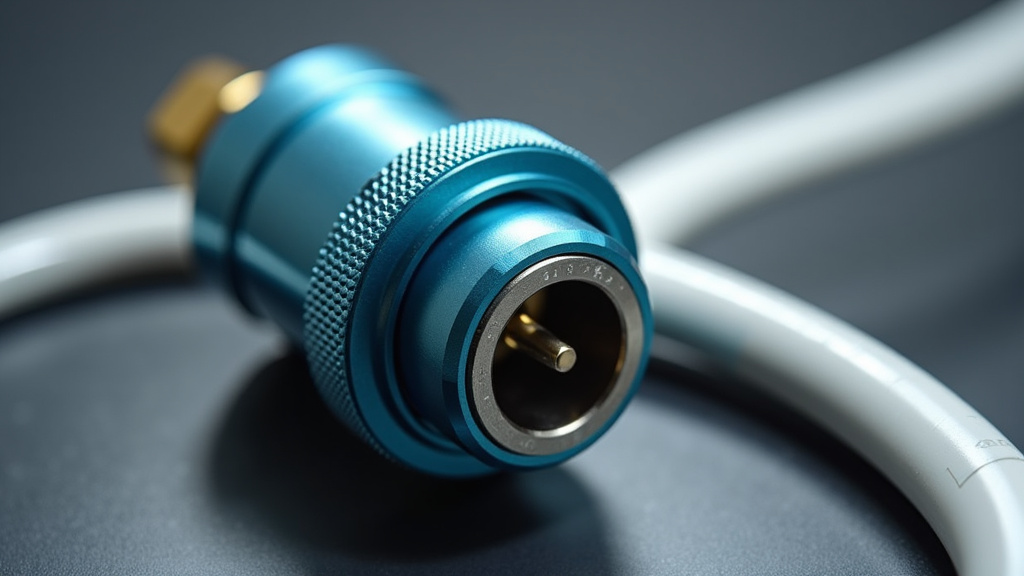
Choosing the Right Quick Connect Coupler for Your Needs
Selecting the correct coupler might seem simple, but there are a few key things to consider. A little bit of thought upfront can save you a lot of headaches later on. You want a coupler that is reliable and safe for your specific application.
Factors to Consider
Think about the environment where you’ll be using the coupler. Also, consider the equipment it will connect to. These details are very important.
1. Fluid Type and Pressure Rating
This is the most critical factor. Are you connecting to an air compressor or a hydraulic system? Always check the coupler’s pressure rating. Ensure it exceeds the maximum pressure your system will reach. Many manufacturers provide detailed specifications for their products.
2. Air Flow or Fluid Volume Requirements
Larger couplers generally allow more air or fluid to pass through. If you have a tool that requires a high volume of air, like a large sandblaster, you’ll need a coupler with a larger bore size. Conversely, a small tire inflator might only need a smaller coupler. We found that insufficient airflow is a common reason for poor tool performance.
3. Connection and Disconnection Style
Do you prefer a simple push-to-connect action, or is a sleeve-style coupler acceptable? For applications where frequent, rapid changes are needed, a simpler mechanism might be better. Consider if you need a double shut-off feature to minimize fluid loss.
4. Material and Durability
Will the coupler be used in a harsh environment with dirt, chemicals, or extreme temperatures? Brass is common for air couplers and offers good corrosion resistance. Steel is used for higher pressures and more demanding applications. Stainless steel offers excellent corrosion resistance but can be more expensive.
5. Compatibility with Existing Fittings
If you’re adding to an existing setup, you’ll need to ensure your new coupler or plug is compatible with your current fittings. Many couplers adhere to industry standards, like the “Industrial Interchange” standard for pneumatic couplers. Always check the specifications to confirm compatibility. We found that this is where many people run into trouble, so pay close attention!
A Quick Checklist for Selection
To make sure you don’t miss anything, here’s a handy checklist:
- What fluid are you using (air, hydraulic, water)?
- What is the maximum pressure of your system?
- How much flow do you need (air volume/fluid rate)?
- What type of connection mechanism do you prefer?
- Is the material suitable for your working environment?
- Will it connect with your existing hoses and tools?
Conclusion
You’ve learned that quick connect couplers are essential for making connections fast and easy. They save you time and effort, prevent leaks, and work across many applications. Understanding their simple mechanism and knowing how to choose the right type ensures your tools and systems perform their best. Don’t underestimate the impact a good coupler can have on your projects. Take a moment to check your current setup and see if upgrading to a more suitable quick connect coupler could boost your efficiency even further. Your tools will thank you!
Frequently Asked Questions
Are all quick connect couplers interchangeable?
Not all quick connect couplers are interchangeable. While some follow industry standards, like the “industrial interchange” for pneumatic couplers, others might have unique designs. It’s always best to check specifications for compatibility before assuming they’ll work together.
How do I know if I need a pneumatic or hydraulic coupler?
You need to match the coupler to the fluid in your system. Pneumatic couplers are for compressed air, while hydraulic couplers are for high-pressure fluid systems. Using the wrong type can lead to leaks, poor performance, or even dangerous failures.
What does “double shut-off” mean for a quick connect coupler?
A double shut-off coupler stops the flow of fluid from both the coupler and the plug when they are disconnected. This is desirable because it minimizes drips, reduces pressure loss, and keeps your workspace cleaner and safer.
Can I use a quick connect coupler with water?
Yes, many quick connect couplers are designed for water, especially for garden hoses or cleaning equipment. However, ensure the coupler is rated for water use and has appropriate seals to prevent leaks and corrosion.
How often should I clean or maintain my quick connect couplers?
Regular cleaning, especially for couplers used in dusty or dirty environments, is recommended. Wipe them down and ensure the locking mechanism moves freely. Inspect seals for wear and tear, replacing them if they appear damaged to maintain a good connection.
