Why Do Air Compressors Need Drain Valves?
On this page (3 sections)
Air compressors need drain valves because compressing air creates condensation inside the tank. Without regular draining, this water builds up, leading to rust and reduced performance. It’s a simple part that keeps your compressor running strong.
You might be wondering why water gets into your air tank in the first place. The air around us always has some moisture, and when that air is compressed, the water vapor turns into liquid. This liquid then settles at the bottom of your compressor’s tank, creating a potential problem if not removed.
TL;DR:
- Compressing air creates water inside the tank.
- Drain valves remove this water.
- Draining prevents rust and corrosion.
- It keeps your compressor working efficiently.
- Neglecting drainage can shorten compressor life.
Let’s walk through exactly why these little valves are so important for the health of your air compressor.
The Essential Role of Air Compressor Drain Valves
Air compressor drain valves are surprisingly important for keeping your equipment healthy. They prevent water buildup, which is a natural byproduct of compressing air. Think of them as the unsung heroes of your air compressor system.
You might wonder, “Why does water even get in there?” It’s simple science, really. Atmospheric air always contains some water vapor. When your compressor sucks in that air and squeezes it, the water vapor changes into liquid. This liquid then collects at the lowest point of your tank.
How Condensation Forms in Your Air Compressor Tank
The air around you is never perfectly dry. It always holds a certain amount of moisture, known as humidity. When your compressor takes in this humid air, it drastically reduces its volume. This compression process also increases the air’s temperature.
As the hot, compressed air cools inside the tank, its ability to hold water vapor decreases. It’s like a cold glass of water on a hot day – moisture forms on the outside. In your air tank, this means the water vapor condenses back into liquid form. This liquid then pools at the bottom of the tank due to gravity (American Society of Mechanical Engineers).
The Science Behind Water in Your Air Tank
This process is governed by the principles of thermodynamics. When air is compressed, its pressure rises, and so does its temperature. This super-heated air then enters the cooler metal tank. As it cools down, the air reaches its dew point. At this point, the water vapor can no longer remain as a gas and condenses into liquid droplets. These droplets then accumulate, creating the need for a drain valve.
The amount of water can be quite surprising. On a humid day, a typical 5-horsepower compressor running for several hours can generate several gallons of water. Imagine that much water sitting inside your tank!
The Hidden Dangers of Undrained Water
Leaving water in your air compressor tank is like inviting trouble. It causes several problems that can significantly impact your compressor’s performance and lifespan. You definitely don’t want to ignore this seemingly small issue.
The most immediate and obvious problem is rust and corrosion. Your air tank is usually made of steel. Steel and water are not friends, especially when combined with oxygen. This leads to the deterioration of the tank’s interior.
Rust and Corrosion: The Silent Killer
When rust forms inside your tank, it weakens the metal. Over time, this can lead to small leaks, or even worse, a catastrophic tank failure. A rusty tank is a safety hazard, as it might not be able to withstand the high pressures of compressed air (OSHA). Regularly draining water is your best defense against this kind of damage.
Rust particles can also break off and travel with the compressed air. These particles can then damage your air tools or the delicate internal components of your air system. This means more frequent tool repairs or replacements, costing you time and money.
Reduced Air Quality and Tool Damage
Water in your air supply isn’t just bad for the tank. It also means you’re delivering wet air to your tools and processes. If you’re painting, this can ruin the finish. If you’re using pneumatic tools, the water can wash away lubricants, leading to premature wear and tear. Imagine trying to sand something with a wet sander – it just doesn’t work as well.
Sensitive equipment, like plasma cutters or precision machinery, requires absolutely dry air. Water contamination can cause malfunctions, reduce accuracy, and shorten the lifespan of these valuable tools. A drain valve helps ensure you get the clean, dry air you need.
Maintaining Optimal Compressor Performance
Beyond preventing damage, proper drainage helps your air compressor run more efficiently. A water-filled tank reduces the available volume for compressed air. This means your compressor has to work harder and cycle more frequently to maintain pressure, increasing wear and tear on components like the motor and pump.
A compressor that’s constantly cycling on and off uses more electricity. You’re essentially paying to compress air and then store it in a smaller, water-filled tank. This inefficiency adds up over time, costing you more in energy bills. Drain valves help you maintain the rated capacity of your tank. This also relates to the discussion of leaving an air compressor full, which can impact its effective capacity.
Types of Drain Valves and Their Operation
There are a few different types of drain valves you’ll encounter on air compressors. Each has its own advantages, but they all serve the same basic purpose: getting that water out. Understanding the differences can help you choose the right draining routine for your setup.
The most common type is the simple manual drain valve. You twist or turn it, and the water comes out. It’s straightforward and reliable, but it requires you to remember to do it regularly. Think of it like changing the oil in your car – a regular, necessary chore.
Manual Drain Valves: The Hands-On Approach
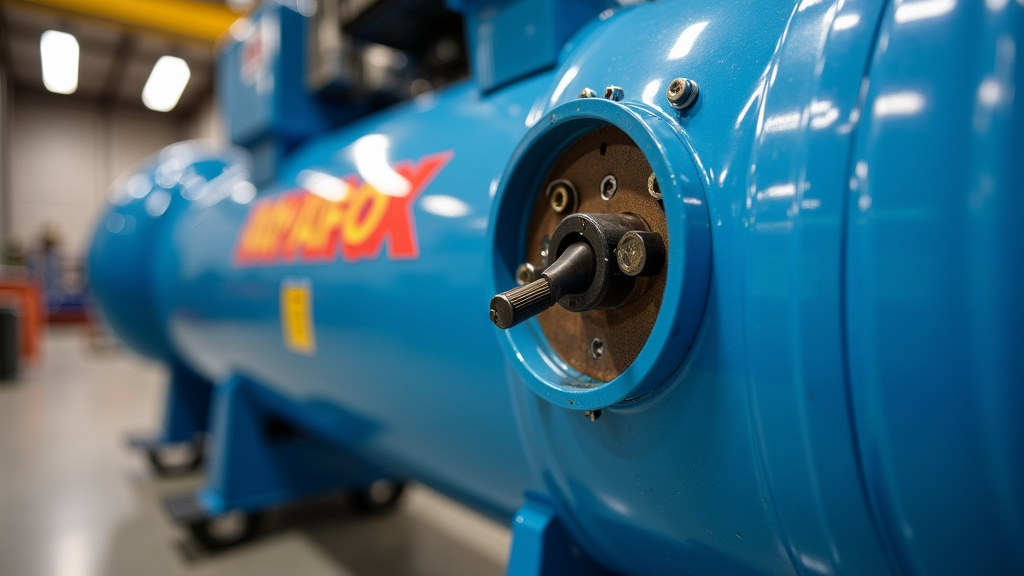
Manual drain valves are typically located at the very bottom of your air tank. They are often a simple petcock or ball valve. To operate, you simply open the valve and let the accumulated water and sludge drain out until only air escapes. It’s important to do this when the tank is pressurized but the compressor is not running, to get a good blast of water out.
Here’s a quick checklist for using a manual drain valve:
- Turn off the compressor and unplug it for safety.
- Put on safety glasses to protect your eyes.
- Place a bucket or suitable container under the drain valve.
- Slowly open the drain valve to release water and air.
- Allow all water and debris to fully drain.
- Close the valve tightly once draining is complete.
Automatic Drain Valves: Set It and Forget It
For those who prefer a more hands-off approach, automatic drain valves are a game-changer. These valves are designed to open and close on their own, ejecting condensed water without manual intervention. This is especially helpful for compressors that run frequently or in high-humidity environments.
There are several types of automatic drains:
| Type of Automatic Drain | How It Works | Pros | Cons |
|---|---|---|---|
| Electronic Timer Drain | Opens for a set duration at programmed intervals. | Reliable, adjustable schedule, minimal air loss. | Requires power, can clog if not maintained. |
| Float Drain | Opens when water reaches a certain level, then closes. | No power needed, very efficient (minimal air loss). | Can be prone to clogging from oil or debris. |
| Motorized Ball Valve Drain | A motor opens and closes a ball valve, often timer-controlled. | Robust, good for dirty or viscous condensate. | More expensive, requires power, slower operation. |
While automatic drains offer convenience, they still require occasional inspection and cleaning to ensure they don’t get clogged. A clogged automatic drain is just as bad as not draining at all! Many experts recommend checking them during your regular compressor maintenance routine.
The Importance of Regular Drainage
You’ve heard it before: prevention is better than cure. This rings especially true for air compressor maintenance. Making tank drainage a regular habit will save you a lot of headaches, money, and frustration down the road. It’s a simple task that yields significant benefits.
Think of it as a small investment of your time to protect a larger investment in your tools. A few minutes each day or week can drastically extend the life of your air compressor. It also ensures that your tools perform as they should, without the interference of moisture.
Extending Compressor Lifespan and Reducing Costs
Regularly draining your air compressor tank is one of the easiest ways to prolong its operational life. By preventing rust and corrosion, you maintain the structural integrity of the tank itself. By delivering dry air, you reduce wear and tear on internal components and connected tools.
This translates directly into cost savings. Fewer repairs, less frequent replacements of tools, and lower energy bills all add up. It’s a testament to how a small, consistent maintenance step can have a large, positive impact on your wallet and your workflow.
Conclusion
As you’ve seen, that little drain valve isn’t just an afterthought on your air compressor. It’s a critical component for its health and longevity. By consistently removing the condensed water, you actively prevent rust, maintain optimal air quality for your tools, and keep your compressor running efficiently.
Making tank drainage a regular part of your routine protects your investment, saves you money on repairs and energy, and ensures your air tools perform their best. So, take a few minutes each session or week to open that valve. Your air compressor (and your wallet) will thank you for it.
Frequently Asked Questions
How often should I drain my air compressor tank?
For most users, draining after every use or at least daily is best. If you live in a humid climate or use your compressor frequently, more often is better. Less frequent users might drain weekly.
Can I just leave the drain valve slightly open all the time?
No, you shouldn’t leave the drain valve open. This will cause your compressor to constantly lose air pressure, making it run almost non-stop. This wastes energy and puts excessive wear on the motor and pump.
What if my drain valve is stuck or clogged?
First, make sure the tank is fully depressurized before attempting to clear it. You can try gently tapping the valve or using a penetrating oil. If it’s still stuck, you might need to replace the valve entirely.
Does the type of air compressor affect how much water it produces?
Yes, larger compressors and those used in high-humidity environments will generally produce more condensate. Even small pancake compressors will collect water over time, so regular draining is still necessary.
Can water in my air lines damage pneumatic tools?
Absolutely. Water in your air lines can wash away lubrication in tools, causing them to wear out faster. It can also cause rust inside the tool’s mechanisms, leading to malfunctions and reduced performance.