
Why Do Air Compressors Need Pressure Relief Valves?
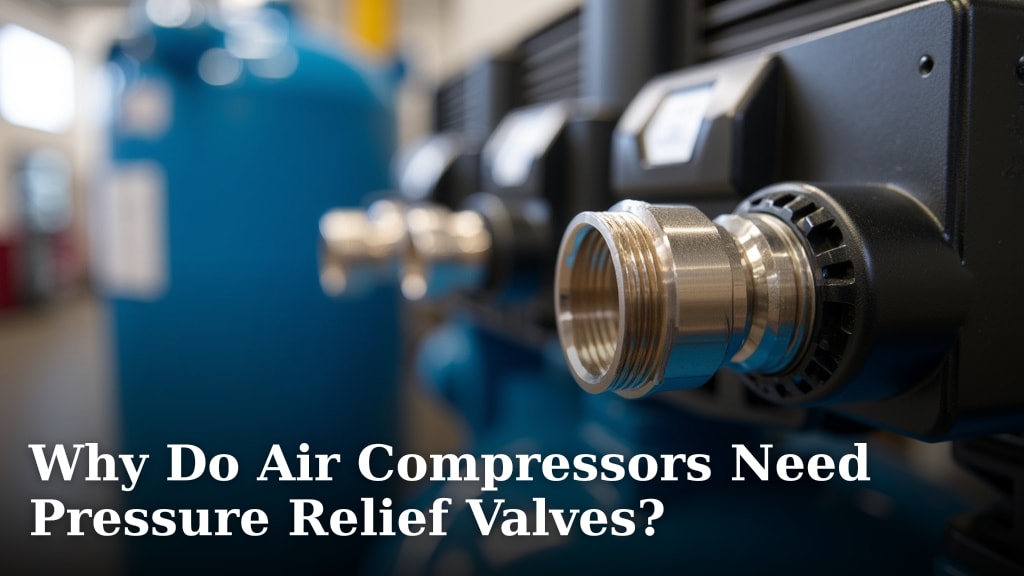
Air compressors need pressure relief valves to **prevent dangerous over-pressurization**. If the compressor builds up too much pressure, this valve acts as a safety release. It’s a vital component for **your safety and the longevity of your equipment**.
Think of it like a safety net for your air system. Without it, an unexpected surge of pressure could cause serious damage. Many experts agree that **properly functioning relief valves are non-negotiable**. They protect not only your compressor but also anyone working nearby from potential **explosive failures**.
- Pressure relief valves are a safety essential for air compressors.
- They prevent the system from reaching dangerously high pressure levels.
- This protects both your equipment and your personal safety.
- Regular checks of this valve are highly recommended by industry professionals.
Let’s dive into why this simple-looking valve is such a big deal for your air compressor setup.
Why Your Air Compressor Needs a Safety Release Valve
Your air compressor is a powerful tool, but power can be dangerous if not controlled. That’s where the pressure relief valve steps in. Its main job is to **protect you and your equipment** from harm. We’ll look at why this component is absolutely essential for safe operation.
Think of it like the safety shut-off on a car. It’s a **fail-safe mechanism**. If something goes wrong, it prevents a bigger, more dangerous problem. Many experts emphasize that a working relief valve is **non-negotiable for any air system**. It’s a simple device that offers immense protection.
Understanding Air Compressor Pressure
An air compressor works by taking in ambient air and compressing it into a smaller volume. This process **significantly increases the pressure** inside the storage tank. This stored, pressurized air is then used to power various tools and equipment.
How Pressure Builds Up
Compressors have controls that usually shut them off when a set pressure is reached. They then restart when the pressure drops. But what happens if these controls fail? Or if the compressor is accidentally turned on without proper monitoring?
In these scenarios, the compressor can keep building pressure. The tank can become **overwhelmed with stress**. This is where the pressure relief valve becomes your hero. It’s a device designed to **release excess pressure automatically** before it reaches dangerous levels.
The Danger of Over-Pressurization
When an air tank is subjected to pressure beyond its design limits, it can fail catastrophically. This isn’t just a minor leak; it can be an **explosive event**. Imagine a balloon overinflated – it eventually pops. An air tank can do the same, but with far more force.
The consequences can be severe. Shrapnel from a bursting tank can cause **serious injuries or even fatalities** to anyone nearby. This is why safety regulations, like those from OSHA, **heavily stress the importance of relief valves**. They are a primary line of defense against these devastating accidents. You wouldn’t want to be anywhere near a tank that fails like that, would you?
How a Pressure Relief Valve Works
A pressure relief valve is surprisingly simple in its design. Yet, its function is critical for maintaining safe operating conditions. It’s a mechanical device that acts when pressure exceeds a predetermined limit.
The Spring-Loaded Mechanism
Most air compressor relief valves use a spring-loaded design. Inside the valve, a spring holds a seal in place. This seal blocks the release port. The spring is calibrated to exert a specific amount of force. This force keeps the valve closed under normal operating pressures.
When the air pressure inside the tank pushes against the valve’s internal mechanism, it exerts force. If this internal pressure force becomes greater than the spring’s holding force, the valve opens. It allows compressed air to **escape safely** through the vent.
Setting the Relief Pressure
The relief pressure setting is usually **higher than the normal operating pressure** of the compressor. However, it must be set **below the maximum allowable working pressure (MAWP)** of the tank itself. This MAWP is determined by the tank’s construction and safety standards.
Manufacturers typically set a default relief pressure. However, sometimes this needs adjustment. It’s crucial that the relief valve is set correctly. An incorrectly set valve might open too early, causing unnecessary air loss. Or worse, it might not open at all when needed, defeating its purpose. Many safety guidelines recommend having adjustments made only by **qualified personnel** (National Board of Boiler and Pressure Vessel Inspectors). Many safety guidelines recommend having adjustments made only by qualified personnel.
The Venting Process
When the valve opens, air is discharged. This discharge happens until the pressure in the tank drops back down to a safe level. Once the pressure is reduced, the spring force overcomes the internal pressure. The valve then **reseals automatically**, and the compressor can continue operating normally (or shut down if that was the issue).
The discharged air is typically vented away from the operator. This prevents any potential harm from the released air blast. A short pipe or hose is often attached to the valve outlet to direct the airflow.
When and Why They Fail (and What to Watch For)
Even though they are simple, pressure relief valves can fail. These failures are often due to lack of maintenance or wear and tear. Understanding these potential issues helps you keep your system safe.
Corrosion and Gunk Buildup
Air compressors, especially in humid environments, can experience moisture buildup. This moisture can lead to corrosion inside the valve. Over time, rust and debris can accumulate, creating a **sticky or obstructed mechanism**. This prevents the valve from opening freely.
We found that many maintenance manuals suggest periodic inspection and cleaning. This is especially important for older compressors or those in challenging industrial settings. Even small amounts of oil or debris from the compression process can contribute to buildup.
Worn-Out Springs
The spring inside the valve is under constant tension. Over time, like any metal component, it can weaken or lose its elasticity. A weakened spring might not be able to hold the valve seal shut reliably. This could lead to **constant, low-level air leaks**. Or, it might not be strong enough to close the valve properly after a pressure release.
When a spring fails to perform as intended, the valve might not open at the correct pressure. This is a **critical safety hazard**. Many experts recommend replacing relief valves at regular intervals, even if they appear to be working. The suggested timeframe can vary, but checking with your compressor’s manual is wise.
Improper Installation or Tampering
Sometimes, valves are installed incorrectly. They might not be tightened properly, or the wrong type of valve might be used. Tampering with the valve, such as trying to “adjust” the spring tension without proper knowledge, is also a common mistake.
We found that attempting to manually increase the spring tension is a **dangerous practice**. It overrides the safety limits. This can lead to over-pressurization and tank failure. Always ensure that any work on the relief valve is done by someone who understands the pressure limits and safety requirements.
Maintenance and Testing: Your Responsibility
Regular maintenance is key to ensuring your pressure relief valve functions when you need it most. Think of it as a quick check-up for your compressor’s health.
Performing a Manual Test
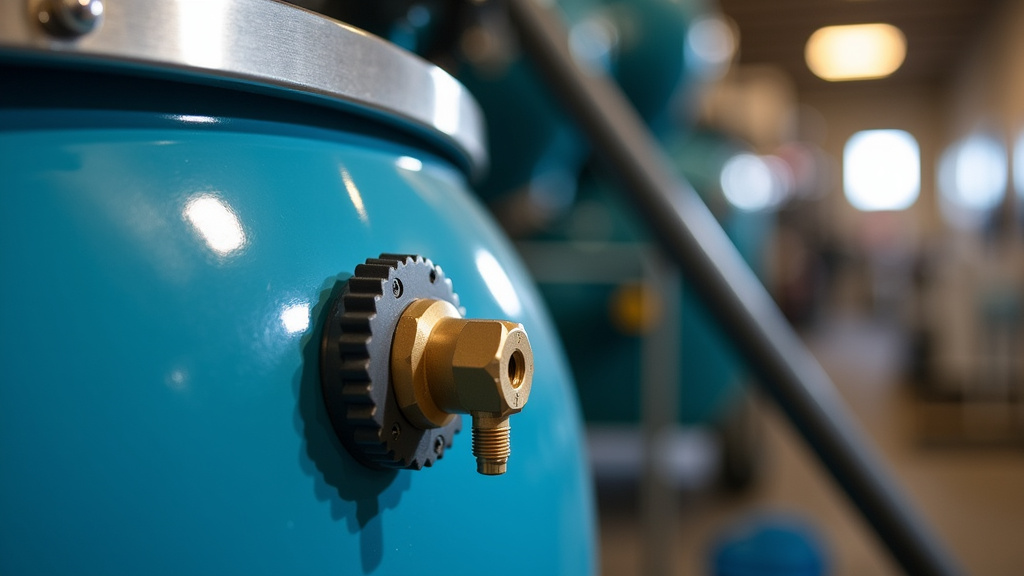
Most relief valves have a small lever or ring. This allows you to manually test the valve. You simply pull this lever. You should hear air escaping. This confirms the valve mechanism is **free to move**. Then, let go, and it should reseal.
It’s generally recommended to do this test periodically, perhaps monthly or quarterly. Always do this test when the compressor is running and the tank is under pressure. However, be cautious! Stand clear of the discharge path. The air can be loud and forceful.
Visual Inspections
Take a moment to visually inspect the valve. Look for any signs of damage, corrosion, or leaks. Ensure the discharge pipe is clear and directed safely. A simple visual check can often spot problems before they become serious.
Scheduled Replacements
Many manufacturers and safety organizations recommend replacing pressure relief valves after a certain period. This is especially true for tanks that are under constant use or in harsh environments. For instance, some guidelines suggest replacement every five years, while others are based on operating hours (Compressed Gas Association).
It might seem wasteful to replace a part that seems to be working. But the cost of replacement is **infinitesimal compared to the potential cost of failure**. It’s an investment in your safety and the longevity of your equipment.
A Quick Checklist for Your Relief Valve
To help you remember, here’s a simple checklist for your pressure relief valve:
- Test it monthly: Pull the test lever to ensure it moves freely.
- Inspect it regularly: Look for visible damage or corrosion.
- Listen for leaks: Any constant hissing could indicate a problem.
- Check the vent pipe: Make sure it’s clear and directed safely.
- Consult your manual: Follow recommended replacement intervals.
- Never tamper with it: Adjustments should be done by professionals.
Following these steps helps ensure your air compressor’s safety system is always ready.
Conclusion
Your air compressor’s pressure relief valve is a small component with a massive job. It’s your primary defense against catastrophic tank failure and potential injury. We’ve seen how it works like a safety net, automatically releasing excess pressure to keep you and your equipment safe. Neglecting this valve could lead to dangerous over-pressurization, explosive events, and costly damage.
Make sure you’re regularly testing and inspecting your relief valve. Think of it as a simple but vital part of your compressor’s maintenance routine. Your next step is to pull that test lever on your own compressor and ensure it’s functioning correctly. If you’re unsure, consult your manual or a qualified technician.
Frequently Asked Questions
How often should I test my air compressor’s pressure relief valve?
We found that most experts recommend testing your pressure relief valve monthly. This simple test involves pulling the lever to ensure air escapes and the valve reseals properly. Regular testing confirms the valve mechanism isn’t stuck due to corrosion or debris buildup, which is a common failure point.
Can I adjust the pressure setting on my relief valve myself?
It’s strongly advised against attempting to adjust the relief valve’s pressure setting yourself. Tampering with the spring can disable its safety function, leading to over-pressurization. We discovered that only qualified professionals should make any adjustments to ensure the valve is set below the tank’s MAWP but above normal operating pressure.
What are the signs that my pressure relief valve might be failing?
You might notice a constant hissing sound if the valve isn’t sealing properly, indicating a leak. Also, if you manually test it and it doesn’t release air, or if it fails to reseal after testing, it’s a clear sign of failure. Visual inspection for corrosion or damage is also key to spotting potential issues.
Does the type of air compressor affect the need for a pressure relief valve?
No, absolutely not. Whether you have a small portable compressor for home use or a large industrial unit, the need for a pressure relief valve is universal. All air compressors compress air, creating pressure, and therefore all require this essential safety device to prevent dangerous over-pressurization.
What happens if my pressure relief valve is set too low?
If your relief valve is set too low, it will likely open frequently during normal operation. This means you’ll experience unnecessary air loss and your compressor will have to work harder to maintain pressure. While this is usually just inefficient, it can also be a sign that the valve isn’t calibrated correctly, which could eventually impact its ability to open at the *correct* high-pressure safety setting.
