
How Many Watts Does A Portable Air Compressor Use?
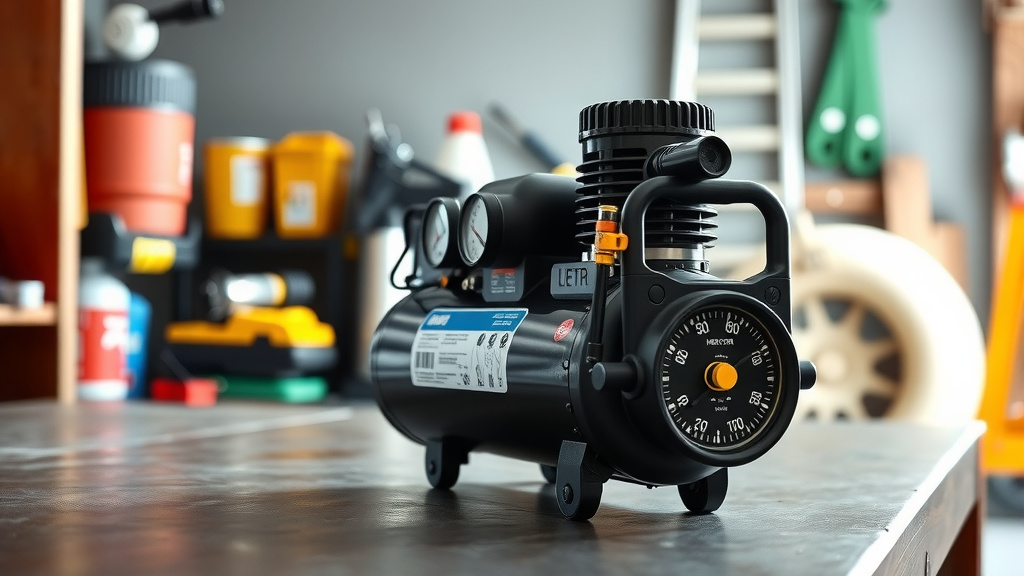
A portable air compressor typically uses between 500 and 1500 watts of power, depending on its size and intended use. This wattage determines how much electricity it draws to function efficiently.
Understanding how many watts a portable air compressor uses is vital for choosing the right model and ensuring your power source can handle its demands.
- A portable air compressor’s wattage usually falls between 500 and 1500 watts.
- Factors like motor horsepower, PSI rating, and air delivery (CFM) directly influence its power consumption.
- Smaller 12V compressors for tires use less power, while larger 120V models for DIY tasks draw more.
- Knowing the wattage helps you pick the right power supply, whether it’s your car, a wall outlet, or a generator.
- Efficient usage can save energy and extend the life of your compressor and power source.
How Many Watts Does A Portable Air Compressor Use?
A portable air compressor’s wattage primarily depends on its motor size and performance capabilities. Most handheld or small models operate in the 500 to 800-watt range. Larger, more robust units for heavier tasks might require 1200 to 1500 watts or even more.
Understanding Air Compressor Wattage
Think of wattage as the “muscle” your compressor needs. It’s the measure of electrical power consumed. Higher wattage usually means more power, allowing the compressor to build pressure faster and handle bigger jobs.
We found that understanding wattage helps prevent overloaded circuits (NIH). It also ensures your compressor works optimally.
Why Wattage Matters for You
Knowing your compressor’s wattage is crucial for practical reasons. It dictates if your car’s auxiliary port can power it, or if you need a dedicated wall outlet. If you’re using a generator, the compressor’s wattage needs to be well within the generator’s capacity.
Factors Influencing Power Consumption
Several key specifications contribute to how many watts a portable air compressor uses. It’s not just a single number; many components work together. Let’s break down these factors clearly.
Horsepower (HP)
Horsepower directly correlates with wattage. A compressor with a higher HP motor will naturally draw more watts. For instance, a 1/3 HP compressor will use significantly less power than a 2 HP unit. This is like comparing a bicycle to a motorbike.
Pounds Per Square Inch (PSI)
The PSI rating tells you the maximum air pressure the compressor can produce. Reaching higher PSI requires more effort from the motor. Therefore, a compressor designed for high PSI output often has a higher wattage requirement.
Cubic Feet Per Minute (CFM)
CFM measures the volume of air an air compressor can deliver at a certain pressure. If you need to inflate large tires quickly, you’ll want a higher CFM. More CFM means the motor works harder, thus consuming more watts.
Voltage (12V vs. 120V)
Portable air compressors come in different voltage types. Smaller units typically run on 12V DC power from a car’s accessory outlet. Larger, more powerful models use 120V AC power from standard wall outlets. The voltage impacts the current (amps) drawn for a given wattage.
We found that 120V compressors tend to offer more sustained power for demanding tasks.
12V vs. 120V Portable Air Compressors: Wattage Differences
The voltage greatly influences the wattage range. A 12V portable compressor is designed for portability and convenience.
A 120V model provides more raw power for more demanding jobs. It’s like comparing a small battery-powered drill to a corded one.
12-Volt Compressors
These are common for roadside emergencies and recreational use. They typically use less power, often in the 100 to 200-watt range. They’re excellent for topping off car tires or inflating sports equipment. Their lower wattage makes them compatible with car power outlets.
120-Volt Compressors
These units plug into standard wall sockets. They are usually more robust, with higher CFM and PSI capabilities. Their wattage typically ranges from 500 to 1500 watts, suitable for nail guns, smaller paint sprayers, and other DIY tasks.
Estimating Your Compressor’s Wattage Needs
Sometimes, the wattage isn’t explicitly listed. Don’t worry, you can estimate it! Look for the amperage (amps) and voltage (volts) on the product label. Many experts say that Watts = Volts x Amps. If your 120V compressor draws 10 amps, it uses 1200 watts (120V x 10A).
Power Source Considerations
Knowing the wattage is only half the battle. You also need to consider your power source. Can your outlet, car, or generator handle the draw? It’s a bit like knowing how much gas your car needs before a long trip.
Using a Generator
If you’re powering your compressor with a generator, its running wattage must exceed the compressor’s wattage. Remember to account for surge watts too. Compressors have a momentary power spike when starting up. Many experts recommend a generator with at least 1.5 to 2 times the compressor’s running watts for starting power.
Extension Cords
Extension cords can impact performance and safety. Using an undersized or too-long extension cord can lead to voltage drop. This makes your compressor work harder and draw more amps, potentially overheating the motor or the cord itself. We found that using heavy-gauge, short cords is best (UL Standards).
Average Wattage for Popular Portable Air Compressor Types
To give you a clearer picture, here’s a general table of wattage ranges for common portable air compressor types. Keep in mind these are averages; specific models may vary.
| Compressor Type | Typical Use | Estimated Wattage Range |
|---|---|---|
| Small 12V Inflator | Car tires, sports balls | 100 – 200 watts |
| Pancake (Small 120V) | Brad nailers, staplers | 500 – 800 watts |
| Hot Dog/Twin Stack (Medium 120V) | Framing nailers, impact wrenches | 800 – 1500 watts |
| Portable Rotary Screw (Industrial) | Heavy construction, sandblasting | 3000 watts+ (often diesel-powered) |
Tips for Efficient Air Compressor Use
Using your compressor wisely can extend its lifespan and save energy. It’s not just about turning it on and off. A little thought goes a long way.
- Check for leaks: Even small leaks in hoses or connections make your compressor work harder.
- Keep filters clean: Dirty air filters restrict airflow, reducing efficiency.
- Properly size your tank: A larger tank can store more compressed air, reducing motor run time.
- Match the tool to the task: Don’t use a powerful compressor for a small inflation job.
- Regular maintenance: Follow the manufacturer’s guidelines for oil changes and inspections.
Choosing the Right Wattage for Your Needs
So, how do you pick the perfect compressor for you? It really comes down to what tasks you plan to tackle. Don’t overbuy, but don’t underbuy either. Consider this quick checklist:
- What are your primary tasks? (Tire inflation, DIY, heavy-duty work?)
- What power source is available? (Car, wall outlet, generator?)
- Do you need quick inflation or sustained pressure? (CFM/PSI needs)
- How often will you use it? (Occasional or frequent use?)
- Is noise a concern? (Often relates to compressor size and power.)
For simple tire inflation, a lower wattage 12V unit is perfectly fine. If you’re planning on using air tools for home projects, a 120V compressor in the 800-1200 watt range would be a smarter choice. Always match the tool to the job.
Conclusion
Understanding how many watts a portable air compressor uses is essential for making an informed purchase and using it safely. From small 12V units for quick tire top-offs to larger 120V models for demanding DIY tasks, wattage is a key indicator of performance and power requirements. Always check the specifications, consider your power source, and prioritize safety. By doing so, you’ll choose a compressor that serves your needs reliably and efficiently, without unwelcome surprises.
FAQs
Can I run a portable air compressor on a car battery?
Yes, many small portable air compressors are designed to run on a car’s 12-volt battery, typically through the cigarette lighter socket. However, larger 120V compressors cannot. Always check your compressor’s voltage requirement and avoid draining your car battery by running it too long without the engine on.
What is the difference between running watts and starting watts for an air compressor?
Running watts are the continuous power an air compressor needs to operate once it’s already running smoothly. Starting watts, also known as surge watts, are the extra burst of power the compressor temporarily draws when its motor first kicks on. Starting watts can be 2-3 times higher than running watts.
Will a portable air compressor trip a circuit breaker?
A portable air compressor can trip a circuit breaker if its starting or running wattage exceeds the circuit’s capacity. This is especially true for higher wattage 120V units. Ensure your circuit can handle the compressor’s draw, and avoid plugging other high-power appliances into the same circuit.
Does an air compressor use more electricity when filling a larger tank?
Yes, an air compressor will use more electricity overall to fill a larger tank to the same pressure. The motor will need to run for a longer duration to compress the greater volume of air. However, a larger tank might mean the compressor cycles less frequently during use, potentially leading to overall better efficiency in certain applications.
Is it better to have a higher or lower wattage portable air compressor?
It depends entirely on your intended use. A higher wattage compressor generally offers more power, faster inflation, and the ability to run more demanding air tools. However, it also draws more electricity and might be heavier. A lower wattage compressor is usually more portable, energy-efficient for light tasks, and sufficient for basic needs like tire inflation.
