
How Much Electricity Does An Air Compressor Use Per Hour?
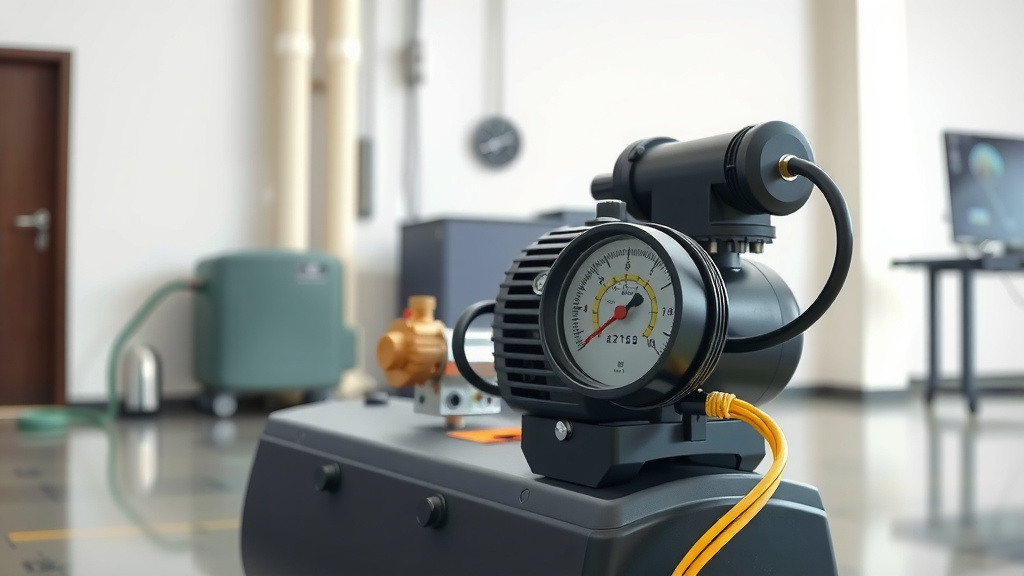
An air compressor’s electricity use per hour typically ranges from 0.5 kWh for smaller garage models to over 10 kWh for large industrial units, directly depending on its horsepower (HP) and how often it actively compresses air.
The exact consumption of an air compressor hinges on its motor size, voltage, and its duty cycle—meaning the percentage of time it’s running compared to idle during that hour, which significantly impacts the total kilowatt-hours used.
- Electricity use varies greatly, mainly by compressor size and how hard it works.
- Small compressors might use less than 1 kWh, while larger ones can use 5-10+ kWh per hour.
- Factors like motor efficiency, tank size, and unnoticed air leaks also impact your energy bill.
- Understanding these details helps you choose the right compressor and save money in the long run.
How Much Electricity Does An Air Compressor Use Per Hour?
Simply put, an air compressor’s hourly electricity consumption is not a fixed number. It varies significantly. You might see a range from less than 1 kilowatt-hour (kWh) for a small, intermittent use model up to 10 kWh or more for a large, constantly running industrial machine.
Why Does Air Compressor Electricity Usage Vary So Much?
Think of an air compressor like a car. A small car uses less fuel than a big truck. Similarly, a small air compressor uses less electricity than a large one. But it’s more than just size; how you “drive” it also matters a great deal.
Several elements come into play when we talk about energy use. Understanding these can help you pinpoint your own compressor’s habits and potential costs.
Horsepower (HP) Is Key
The horsepower (HP) rating of your compressor’s motor is arguably the biggest factor. More horsepower means more power needed to turn the motor and compress air. For instance, a 1 HP compressor will naturally draw less electricity than a 5 HP unit.
We often find that each horsepower unit translates roughly to 0.746 kilowatts (kW) when the motor is running at full load. This is a good rule of thumb for quick estimates.
Understanding Duty Cycle
Your compressor doesn’t run all the time, does it? It cycles on and off to maintain pressure in the tank. This is called its duty cycle. If your compressor runs for 30 minutes in an hour, its duty cycle is 50%. This directly cuts its hourly energy use in half compared to if it ran continuously.
A compressor used for quick, occasional tasks will have a low duty cycle, saving you electricity. A busy workshop might see its compressor running most of the hour.
Breaking Down Electricity Consumption by Compressor Size
Let’s look at some typical electricity usage figures for common air compressor sizes. Remember, these are estimates for when the compressor is actively running, not idling.
We’ve researched common ratings to give you a clearer picture. Keep your specific motor’s efficiency in mind, as it can sway these numbers a bit.
| Compressor Horsepower (HP) | Approx. Kilowatts (kW) | Approx. kWh Per Hour (Full Load) |
|---|---|---|
| 1 HP | 0.75 kW | 0.75 kWh |
| 2 HP | 1.5 kW | 1.5 kWh |
| 3 HP | 2.25 kW | 2.25 kWh |
| 5 HP | 3.75 kW | 3.75 kWh |
| 7.5 HP | 5.6 kW | 5.6 kWh |
| 10 HP | 7.5 kW | 7.5 kWh |
The Cost Factor: What Are You Paying Per Hour?
Knowing kWh is one thing, but what does it mean for your wallet? Your electricity bill typically lists a cost per kilowatt-hour (kWh). This rate varies by location and even by time of day.
If your electricity rate is, say, $0.15 per kWh, and your 3 HP compressor runs for 45 minutes out of an hour, let’s do the math together. Forty-five minutes is 75% of an hour, so it used 75% of 2.25 kWh, which is about 1.69 kWh. That would cost you roughly $0.25 for that hour of use. It adds up!
Calculating Your Specific Cost
To find your cost, simply multiply your compressor’s kWh usage (adjusted for its actual run time) by your local electricity rate. This calculation gives you a clear picture of how much each hour of work is costing you.
(Compressor kW x Hours Run x Electricity Rate per kWh) = Total Cost
Beyond HP: Other Factors Influencing Energy Bills
While horsepower and duty cycle are major players, they aren’t the only ones. A few other things can sneakily increase your electricity bill without you even noticing.
It’s like having a leaky faucet; a small drip might not seem like much, but over time, it wastes a lot of water. The same goes for energy in your air compressor system.
Motor Efficiency Matters
Newer compressors often boast higher efficiency motors. An old, worn-out motor or one not designed for optimal efficiency might draw more power to do the same job. Research from energy agencies often points to the savings from upgrading to NEMA premium efficiency motors (U.S. Department of Energy).
Tank Size and Pressure Settings
A larger air tank doesn’t necessarily save electricity per se, but it can reduce how often your compressor cycles on. If you’re setting your pressure higher than needed, your compressor works harder and longer to reach that pressure, consuming more electricity.
Many experts say that optimizing your pressure settings can lead to tangible energy savings.
The Impact of Air Leaks
This is a big one! Air leaks in your hoses, fittings, or tools force your compressor to run more frequently to maintain pressure. Even small leaks accumulate. It’s like trying to fill a bucket with holes in it.
We’ve found that undetected leaks can account for a significant portion of wasted energy in compressed air systems.
Regular Maintenance Benefits
A well-maintained compressor runs more efficiently. Clogged filters, worn belts, or sticky valves can all make the motor work harder. Regular checks keep your compressor humming along efficiently, using less electricity.
Smart Strategies to Reduce Your Air Compressor’s Energy Use
Ready to trim down those electricity bills? Here are some straightforward ways to help your air compressor be a little kinder to your power meter.
These actions are practical and can make a real difference, especially for those using their compressor regularly.
- Check for Leaks: Regularly use soapy water on connections and hoses. Bubbles mean leaks!
- Optimize Pressure: Set your compressor to the lowest effective pressure for your tools.
- Clean Filters: Replace or clean air filters regularly to ensure good airflow.
- Size Correctly: Make sure your compressor matches your actual air demand.
- Regular Maintenance: Follow the manufacturer’s maintenance schedule.
- Consider Upgrades: If your compressor is very old, a new, more efficient model might save money over time.
Conclusion
Understanding how much electricity an air compressor uses per hour isn’t just about a single number; it’s about recognizing the many factors at play. From your compressor’s horsepower and its duty cycle to the presence of sneaky air leaks, each element contributes to your overall energy consumption and, ultimately, your electricity bill.
By taking a proactive approach—choosing the right size, maintaining your unit, and eliminating waste—you can significantly control and reduce the operating costs of your air compressor. It’s about working smarter, not harder, to keep your projects powered without draining your wallet.
How Can I Accurately Measure My Compressor’s Electricity Use?
The most accurate way is to use a “kill-a-watt” meter or a similar energy monitoring device. You plug your compressor into it, and the meter will display real-time wattage and total kWh used over a period, giving you precise data specific to your machine and usage patterns.
Does a Larger Air Tank Save Electricity?
While a larger tank doesn’t directly reduce the amount of electricity used per minute of compressor run time, it can indirectly save electricity. A larger tank stores more compressed air, allowing the compressor to run less frequently (lower duty cycle) to maintain pressure, especially for intermittent tasks. This can lead to overall lower kWh usage over longer periods.
What is a Good Duty Cycle for an Air Compressor?
For most homeowner or small workshop compressors, a duty cycle around 50-70% is generally considered good, meaning it’s actively compressing air for about half to two-thirds of its operating time. Industrial-grade compressors might be designed for much higher duty cycles, even continuous operation, but this varies greatly by model and intended use. A lower duty cycle generally means less energy consumption.
How Do Air Leaks Really Affect Electricity Consumption?
Air leaks force your compressor to run more often and longer than necessary to replenish lost pressure. This wasted energy translates directly into higher electricity bills. Even a small leak can add up to significant costs over time, similar to constantly refilling a tire with a slow puncture. Research indicates that even minor leaks can drastically increase your operational costs (Compressed Air & Gas Institute).
Is it More Energy-Efficient to Buy a New Compressor or Maintain an Old One?
It depends on the age and condition of the old compressor. If an old unit is well-maintained and still performing efficiently for your needs, continuing its use might be economical. However, very old compressors might lack modern energy-efficient features, such as NEMA premium motors or variable speed drives. If your old compressor is frequently breaking down, very loud, or struggles to maintain pressure, a new, more efficient model could offer significant long-term energy savings and improved performance.
