
What Capacity Air Compressor Do I Need?
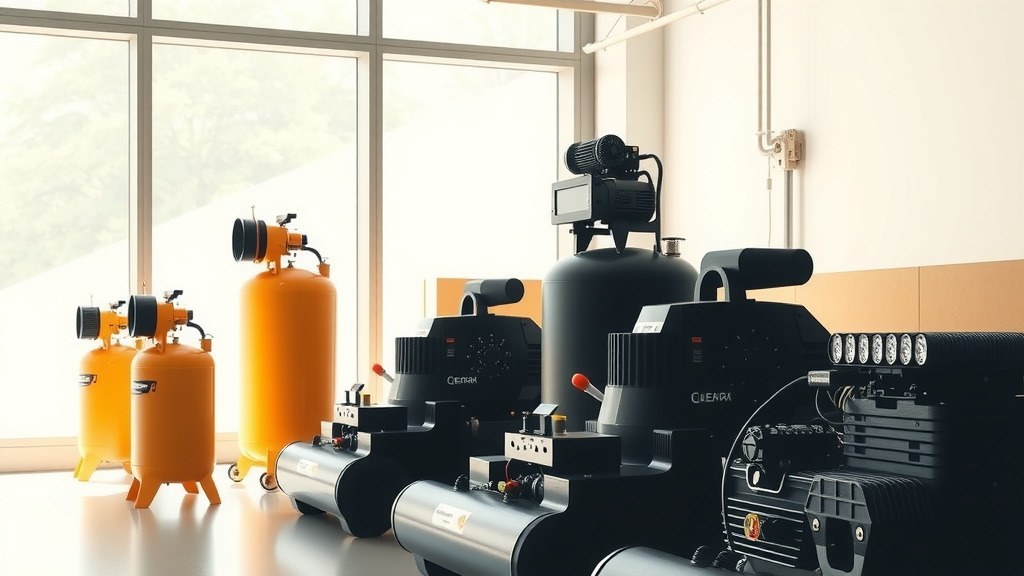
To determine what capacity air compressor you need, first identify the CFM (cubic feet per minute) and PSI (pounds per square inch) requirements of your most demanding air tool. Always choose an air compressor that meets or exceeds these specifications to ensure optimal performance.
For general home use, an air compressor offering around 2-5 CFM at 90 PSI is often sufficient for tasks like tire inflation or nail guns. Professional applications or continuous-use tools will require significantly higher CFM ratings, often 10 CFM or more, coupled with a larger tank.
-
Your air tool’s CFM at 90 PSI is the most important factor in deciding air compressor capacity.
-
PSI indicates the pressure, while CFM shows the volume of air delivered.
-
Tank size matters for continuous use but doesn’t increase actual airflow capacity (CFM).
-
Always buy a compressor with slightly more CFM than your highest-demand tool.
-
Consider future tool needs to avoid needing an upgrade too soon.
What Capacity Air Compressor Do I Need?
You need an air compressor that delivers enough air volume (CFM) at the required pressure (PSI) for your specific tools. It’s like buying shoes; they must fit your feet and your activity.
Understanding CFM: Your Tool’s Appetite
CFM, or cubic feet per minute, tells you how much air your compressor can produce. Think of it as the “thirst” of your air tools. Every air tool, from impact wrenches to paint sprayers, lists a CFM requirement, usually at 90 PSI. Many experts agree that matching or exceeding this CFM is vital (Industry Standards). If your compressor provides less, your tool will starve for air, leading to poor performance or stopping completely.
PSI: The Power Behind the Pressure
PSI, or pounds per square inch, is the pressure at which the air is delivered. Most air tools require 90 PSI to function correctly. While CFM is about volume, PSI is about force. You need enough PSI to power the tool effectively, but excessive PSI can be damaging. A compressor’s maximum PSI indicates its pressure capability, but always operate tools at their recommended pressure settings.
Tank Size: Not Just About Raw Power
The tank on an air compressor stores compressed air. It doesn’t increase the CFM output of the pump, but it does help with “recovery time.” A larger tank allows the compressor pump to run less often when you’re using tools intermittently. This can extend the life of your compressor. It also gives you a buffer of air for short, high-demand tasks.
Small Tanks for Quick Tasks
For quick bursts of air, like inflating tires or blowing dust, a small tank (1-6 gallons) is often enough. These are typically highly portable and store easily. They’re great for casual home use where continuous operation isn’t a concern.
Medium Tanks for Balanced Use
If you’re using nail guns, impact wrenches occasionally, or doing touch-up painting, a medium tank (10-30 gallons) offers a good balance. It provides more air before the motor kicks in, making your work smoother. Many homeowners find this size range quite versatile (Consumer Reports).
Large Tanks for Continuous Work
When you’re running high-demand tools continuously, like orbital sanders, grinders, or professional paint sprayers, a large tank (60+ gallons) is essential. This allows the compressor to keep up with the demand, reducing motor wear from constant cycling. Professional shops often rely on these larger capacities.
Matching Capacity to Your Projects
The key is to consider what you’ll be doing most often. Are you a weekend warrior or a daily user? Your projects dictate your capacity needs.
For Light-Duty Home Use
If you mainly need an air compressor for inflating car tires, sports equipment, or using a blow gun for cleaning, you’re in the light-duty category. A compressor with 2-4 CFM at 90 PSI and a small tank (2-6 gallons) will likely meet your needs. We found these smaller units are also excellent for Brad nailers or staplers (DIY Guides).
For Automotive & Hobby Work
Working on cars, doing woodworking projects, or tackling more involved home repairs often calls for a step up. Tools like impact wrenches, air ratchets, or orbital sanders need more air. Aim for 4-8 CFM at 90 PSI with a 10-20 gallon tank for these tasks. This capacity provides good power without overspending.
For Professional & Heavy-Duty Applications
When you’re running professional spray guns, plasma cutters, or multiple air tools simultaneously, you need serious power. Look for compressors delivering 10+ CFM at 90 PSI, paired with a large tank (30-80 gallons or more). These are often stationary units designed for demanding, continuous operation. We found that workshops and industrial settings prioritize these robust systems (Industrial Equipment Data).
Air Tool Requirements: The Golden Rule
The “golden rule” for selecting an air compressor is simple: Always calculate the CFM needed for your most air-hungry tool. Then, add a buffer. Many experts suggest adding 20-30% to that number to ensure your compressor isn’t constantly struggling to keep up. This extra capacity prolongs the life of the unit.
Air Tool CFM & PSI Needs
- Tire Inflator: 1-2 CFM @ 30 PSI
- Blow Gun: 2-5 CFM @ 90 PSI
- Brad Nailer/Stapler: 0.3-0.5 CFM @ 90 PSI (intermittent)
- Impact Wrench: 4-6 CFM @ 90 PSI
- Air Ratchet: 3-5 CFM @ 90 PSI
- Orbital Sander: 6-10 CFM @ 90 PSI
- Paint Sprayer (HVLP): 8-15 CFM @ 30-40 PSI (often needs higher CFM for constant flow)
Key Factors to Consider
Beyond CFM and PSI, a few other elements can influence your decision. These practical aspects can make a big difference in your satisfaction with the compressor.
Intermittent vs. Continuous Use
If you’re using a tool for short bursts, then stopping, an intermittent duty cycle is fine. A smaller tank will manage this well. However, if your work requires a tool to run almost constantly, like sanding a large surface, you’ll need a compressor designed for continuous use. These units have larger tanks and more robust pumps that can keep up without overheating (Engineering Guides).
Portability Matters
Are you moving your compressor around your workshop, or taking it to different job sites? Or will it stay in one corner of your garage forever? Small, pancake, or hot dog style compressors are very portable. Larger, wheeled units offer some mobility. Stationary, vertical tank compressors are best if you don’t plan to move it at all. Consider if you need a lightweight model or if a heavier, more powerful unit is acceptable.
Making Your Choice Easy
Don’t get overwhelmed by all the numbers. Focus on your primary use cases and the requirements of your main tools. We found that thinking about your most demanding task helps simplify the decision. If you’re unsure, it’s generally better to go slightly larger in CFM than you think you need. This gives you room to grow and use more tools in the future. Remember, you can always throttle down the pressure, but you can’t create more CFM than the compressor is designed for.
Here’s a quick checklist to guide your decision:
- Identify your highest CFM/PSI tool.
- Add a 20-30% buffer to that CFM.
- Consider your tank size based on continuous vs. intermittent use.
- Determine if portability is important for your work.
- Set a budget that aligns with your needs and desired quality.
- Read reviews for reliability and noise levels.
| Application Type | Recommended CFM @ 90 PSI | Typical Tank Size (Gallons) |
|---|---|---|
| Light Home Use (Inflating, Blowing) | 2-4 CFM | 1-6 Gallons |
| Nail Guns, Light Auto Work | 4-6 CFM | 6-15 Gallons |
| Heavy Auto, Small Sanding | 6-10 CFM | 15-30 Gallons |
| Professional Painting, Grinding | 10-20 CFM | 30-80+ Gallons |
Conclusion
Choosing the right air compressor capacity doesn’t have to be a headache. By focusing on your tools’ CFM and PSI requirements, understanding the role of tank size, and considering your usage patterns, you can make a smart, informed decision. Remember that a slightly oversized compressor offers flexibility and longevity. You’ll avoid frustrating power drops and ensure your air tools perform as they should, making your projects smoother and more efficient. Take a moment to assess your needs, and you’ll find the perfect match.
How do I calculate my CFM needs?
To calculate your CFM needs, identify the highest CFM requirement among all the air tools you plan to use. This rating is usually listed on the tool itself or in its manual, often specified at 90 PSI. Add a 20-30% buffer to this number to ensure your compressor has enough reserve capacity.
Is a bigger air compressor always better?
Not necessarily. While a larger compressor offers more air volume (CFM) and a bigger tank for sustained use, it’s also heavier, more expensive, and takes up more space. The best compressor is the one that appropriately matches your tool requirements and usage patterns without being overly excessive for your specific tasks.
What’s the difference between SCFM and CFM?
CFM (Cubic Feet per Minute) is the general measurement of airflow. SCFM (Standard Cubic Feet per Minute) is CFM measured at a standardized set of conditions (typically 14.7 PSIA, 60°F, and 0% relative humidity). For practical purposes, when comparing air compressor specifications, treat them as largely interchangeable for most home and shop applications unless highly precise measurements are critical.
Can I use an air compressor in cold weather?
Yes, you can use an air compressor in cold weather, but it’s important to be aware of a few things. Cold can make the oil thicker, potentially affecting start-up. Also, condensation can freeze in the tank or air lines, causing damage or blockages. Always ensure you drain the tank frequently, especially in cold environments, and consider using compressor oil rated for lower temperatures.
How often should I drain my air compressor tank?
You should drain your air compressor tank after every use, especially in humid or cold conditions. Compressed air contains moisture, which condenses into water inside the tank. Regular draining prevents rust and corrosion inside the tank, extends the compressor’s lifespan, and prevents moisture from entering your air tools.
