
What Does Single Stage Air Compressor Mean?
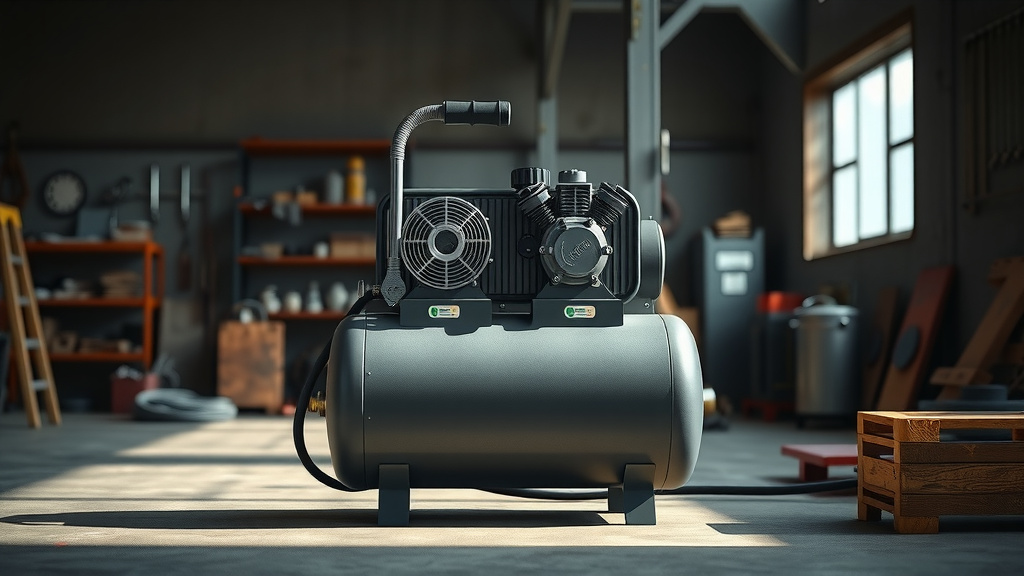
A single stage air compressor uses a single compression stroke to pressurize air, making it a simpler and often more affordable option for many users.
This type of compressor is ideal for light to medium-duty tasks around your home or small workshop, offering reliable air power for common projects.
- Air is compressed in one quick step, providing immediate power.
- Great for everyday tasks like inflating tires or operating nail guns.
- Generally, these compressors are more budget-friendly than two-stage models.
- They are perfect for intermittent use, not continuous, heavy-duty work.
- You’ll often find them in home garages, small craft shops, and DIY settings.
What Does Single Stage Air Compressor Mean?
A single stage air compressor simply compresses air in one swift action. It moves air through one set of pistons directly into a storage tank. This design is straightforward and efficient for many uses.
What’s the Big Idea Behind “Single Stage”?
Imagine your heart pumping blood. A single stage compressor works a bit like that – one powerful pump, one action. Air enters a cylinder, a piston moves down to draw it in, then moves up to push and compress that air. The compressed air then goes straight to the tank. It’s a simple, single-action process.
How Does a Single Stage Compressor Work?
Here’s a closer look at the steps: First, the piston moves down, drawing in ambient air through an intake valve. Next, as the piston moves up, it squeezes that air into a smaller space. This action increases the air pressure. Finally, the compressed air is forced out through a discharge valve into your storage tank. This creates the ready-to-use air power you demand.
Who Needs a Single Stage Compressor?
Are you a homeowner tackling weekend projects? Maybe a hobbyist with a small workshop? Then a single stage compressor could be your new best friend. It’s perfect for tasks like inflating car tires, using a nail gun for trim work, or even light paint spraying. This compressor type excels at providing air for common household tools.
Common Applications: Where Will You See Them?
You’ll spot single stage compressors almost anywhere quick bursts of air are needed. Think about inflating sports equipment, blowing dust off your workbench, operating staple guns for upholstery, or doing detailed airbrushing. They are also handy for small impact wrenches. These are tools that demand intermittent air bursts rather than constant, heavy flow.
Single Stage vs. Two Stage: The Core Difference
The main contrast lies in how many times the air gets squeezed. A single stage compressor does it once. A two stage compressor squeezes the air twice, reaching higher pressures and sustaining more demanding tools. This difference is key when considering your specific power demands.
Why Choose Single Stage? The Benefits for You
Many people gravitate toward single stage compressors for good reason. They are typically more budget-friendly, making them an excellent initial investment. Their simpler design means fewer parts, which often translates to easier maintenance. Many models are also more portable. This makes them a smart and practical choice for many users.
Considering the Downsides: What to Think About
While great, single stage compressors have limitations. They usually offer lower PSI (pounds per square inch) and CFM (cubic feet per minute) compared to two-stage models. This means they are not ideal for continuous, heavy-duty industrial tasks. Running them too hard can also cause them to heat up faster. Matching the tool to the job is important for optimal and safe results.
What PSI and CFM Can You Expect?
Typically, you can expect single stage air compressors to deliver around 90-125 PSI. Their CFM generally ranges from 2 to 10. These numbers indicate that they are more than capable for many common workshop tools. Industry data often shows these ranges are sufficient for most DIY and home garage needs (Industry Research).
Is It Right for Your Home Garage?
For most home garages, the answer is a resounding yes! If your typical projects involve inflating vehicle tires, powering a framing nailer, or using a small paint sprayer, a single stage compressor will serve you well. You don’t need a massive, industrial machine for occasional use. It’s likely a perfect fit for your needs.
Maintaining Your Single Stage Air Compressor
Keeping your compressor running smoothly is easier than you think. Regularly drain any moisture from the tank to prevent rust. If your compressor uses oil, check its level and change it as recommended. Also, clean or replace the air filter periodically. These simple steps keep your compressor running smoothly and safely for years (Manufacturer Guidelines).
A Quick Checklist Before Buying
- What tools will you use most often?
- What PSI and CFM do those tools demand?
- How often will you truly use the compressor?
- Where do you plan to store your new compressor?
- What is your total budget for this purchase?
- Is noise a significant concern in your workspace?
Mobile-Friendly Comparison Table: Single vs. Two Stage
This table helps clarify the differences at a glance, making your decision clearer.
| Feature | Single Stage | Two Stage |
|---|---|---|
| Compression | One step | Two steps |
| Max PSI (Avg) | Up to 135 PSI | Up to 175 PSI |
| Duty Cycle | Intermittent | Continuous |
| Cost | Lower | Higher |
| Best Use | Home, light shop | Industrial, heavy shop |
Understanding Air Compressor Ratings
When you see ratings like PSI and CFM, remember they tell you different things. PSI measures the air’s pressure – how hard it pushes. CFM measures the air’s volume – how much air it delivers per minute. Both are crucial for matching the compressor to your tools. You need enough power and air supply to get the job done efficiently.
Conclusion
A single stage air compressor is a fantastic, versatile tool for many applications. It’s a straightforward machine, perfect for the home mechanic, DIY enthusiast, or small business owner who needs reliable air power for lighter tasks. By understanding how it works and what it offers, you can make an informed choice. Single stage compressors are a foundational tool that empower countless projects, making your work easier and more efficient.
Is a single stage air compressor loud?
Generally, yes, single stage compressors can be quite noisy. Their simpler design often means less sound dampening. However, quieter models exist, especially those with induction motors, though they might cost a bit more. Always check the decibel rating before you buy to ensure it meets your comfort levels.
Can I paint a car with a single stage air compressor?
For small touch-ups or very small panels, perhaps. However, for full car painting, you usually need higher CFM and a more consistent air supply than most single stage compressors offer. Professional painting demands a steady, high-volume airflow to prevent uneven finishes and ensure a smooth application across larger surfaces.
How long do single stage air compressors typically last?
With proper maintenance, a good quality single stage air compressor can last 5-10 years or even longer. Regular draining of the tank, checking oil levels (if applicable), and cleaning air filters significantly prolong its lifespan. Neglect, such as leaving water in the tank, is its biggest enemy and can cause premature wear.
Do single stage compressors come in different sizes?
Absolutely! You can find them from small, portable pancake or hot dog styles (1-6 gallons) perfect for quick tasks, up to larger tank models (20-30 gallons) that support a wider range of home workshop tools. The tank size mainly dictates how much air it stores and how long it can run a tool before the motor kicks in again, offering varying levels of utility.
What’s the difference between direct drive and belt drive single stage compressors?
Direct drive compressors have the motor directly connected to the pump, making them more compact and often louder. Belt drive models use a belt to connect the motor and pump, allowing the pump to run at lower RPMs. This generally results in a quieter operation and longer pump life for the pump itself. Belt drives are usually a bit more expensive but offer better durability for frequent use.
