
What Does The Unloader Valve Do On An Air Compressor?
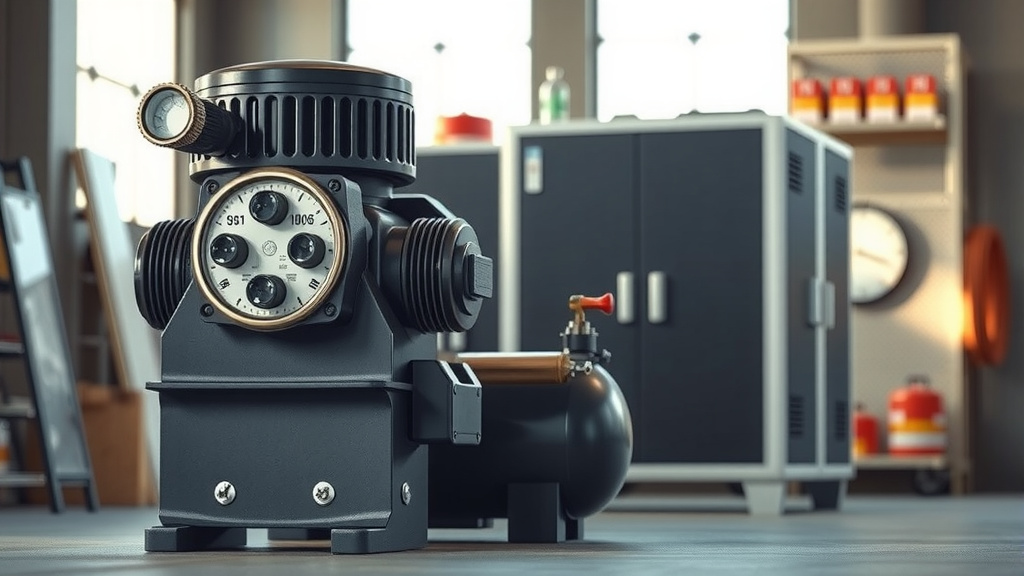
The unloader valve on an air compressor safely releases trapped air pressure from the compressor’s piston and discharge line after the motor stops. This crucial component helps the compressor restart easily without fighting against high residual pressure, protecting your motor from unnecessary strain and burnout.
Here’s a quick rundown of what you need to know about your compressor’s unloader valve:
- It removes residual air pressure when the compressor cycles off.
- This action allows the motor to start freely against minimal resistance.
- It’s a tiny but mighty part that prevents motor overload and premature wear.
- Without it, your compressor might struggle to restart or even fail.
- Think of it as a “breather” for your system after a hard work session.
What Does The Unloader Valve Do On An Air Compressor?
The unloader valve’s primary job is to bleed off any pressure remaining in the compressor’s discharge line when the unit shuts down. This makes sure the motor can spin up effortlessly when it’s time to compress more air.
Why Your Compressor Needs an Unloader Valve
Imagine pushing a heavy car up a hill from a dead stop versus starting it on a flat road. The unloader valve creates that “flat road” scenario for your compressor motor. Without it, the motor would try to restart against the full tank pressure, which is a huge amount of resistance.
This resistance puts immense stress on the motor. It could draw too much current, overheat, or even burn out. Research shows that motor failure is a common issue linked to unloader valve problems.
The Problem Without an Unloader Valve
Think of trying to restart your car in fifth gear. It would chug, groan, and likely stall, right? An air compressor motor facing a pressurized line feels exactly that kind of strain. We found that starting under load is incredibly inefficient and harmful.
The unloader valve acts like a clutch, disengaging the load before the engine (motor) tries to restart. It’s a simple mechanism with profound protective benefits for your expensive equipment.
How the Unloader Valve Works Its Magic
When your air compressor reaches its target pressure, a pressure switch tells the motor to stop. Simultaneously, the unloader valve gets a signal to open. This opens a path for the air trapped between the pump and the check valve to escape, usually with a distinctive “pssst” sound. Many experts say this sound is a normal part of the shutdown process.
Once that line pressure drops to zero, the unloader valve closes again, ready for the next cycle. This happens in a split second, yet it makes all the difference for your compressor’s longevity and reliability.
The Role of the Pressure Switch
The pressure switch is the brain behind the operation. When tank pressure hits the upper limit, the switch not only cuts power to the motor but also often supplies a small burst of air or an electrical signal to the unloader valve. This dual action ensures a smooth and safe shutdown.
This integration means that if your pressure switch isn’t working right, your unloader valve might not trigger, leading to those difficult restarts. We found that inspecting both components together is often a good troubleshooting step.
The Check Valve’s Connection
You can’t talk about the unloader valve without mentioning the check valve. The check valve sits between the compressor pump and the air tank. Its job is to let air into the tank but stop it from flowing back out. The unloader valve only vents the air *between* the pump and the check valve, not the air in the main tank.
This distinction is crucial. The unloader valve doesn’t depressurize your entire air tank, just the immediate discharge line. This ensures your stored air remains ready for use while still protecting the compressor motor.
Common Unloader Valve Types
Unloader valves come in a few forms, but they all achieve the same goal. Some are integrated directly into the pressure switch, while others are separate components. Understanding your specific type can help with maintenance.
| Valve Type | How It Unloads | Typical Use |
|---|---|---|
| Pilot Valve | Uses a small air pressure signal from the tank to open. | Larger industrial compressors. |
| Integrated Pressure Switch | Built right into the pressure switch, often using a small solenoid. | Many consumer and small commercial units. |
| Centrifugal Unloader | Uses centrifugal force to open/close during start-up/shutdown. | Reciprocating compressors, often for engine drive. |
| Timed Solenoid | Electrically opens for a set time after motor stops. | Some advanced or specialized systems. |
No matter the design, the fundamental principle remains: reduce starting load. Each type has its own benefits and might be chosen based on the compressor’s size and application, as industry research suggests.
Troubleshooting Unloader Valve Issues
Is your compressor struggling to start? Or perhaps it makes a constant hiss, even when off? These are tell-tale signs of an unloader valve problem. Many experts point to a faulty unloader valve as a common cause of compressor woes.
- Constant Air Leak: If you hear a steady hiss from the unloader valve area even when the compressor is off and depressurized, the valve might be stuck open or faulty.
- Hard Starting: The motor struggles or hums before eventually starting (or tripping a breaker). This means the unloader isn’t releasing pressure.
- Motor Overheating: Repeated hard starts will cause the motor to heat up excessively, potentially leading to burnout.
- Not Depressurizing: After the compressor shuts off, there’s no “pssst” sound, and the gauge between the pump and check valve still shows pressure.
If you notice these symptoms, it’s wise to investigate the unloader valve. Often, a small repair or replacement can save you from major costs down the line.
Maintaining Your Unloader Valve
While often overlooked, the unloader valve does need a little care. Regular maintenance can extend its life and prevent those annoying hard starts. We found that preventive checks are key to consistent performance.
Here’s a quick checklist:
- Listen for the “pssst” sound during shutdown; its absence is a warning.
- Check for constant air leaks when the compressor is off.
- Ensure your pressure switch is clean and functioning correctly.
- Inspect the unloader line for cracks or blockages.
- Replace the valve if it’s consistently failing to unload pressure.
Many manufacturers recommend a general inspection of your compressor’s safety and control components at least once a year. This includes giving your unloader valve a good look, making sure it’s clean and operating freely.
The Cost of Ignoring Your Unloader Valve
Neglecting a failing unloader valve is like ignoring a small crack in your car’s windshield. It might seem minor at first, but it can quickly lead to much bigger, more expensive problems. The biggest risk is motor damage or failure, which is often a very costly repair or replacement.
Think about the downtime as well. If your compressor isn’t working, your projects stop. This means lost productivity and potential financial impact. A small investment in a new unloader valve can prevent significant headaches and expenses.
Conclusion
The unloader valve might be small, but it plays a hero’s role in the life of your air compressor. It’s the unsung guardian that ensures your motor starts smoothly, preventing premature wear and costly repairs. Understanding what it does and how to keep it healthy is a smart move for any compressor owner.
By paying attention to this tiny but powerful part, you’re not just maintaining a component; you’re investing in the longevity and reliability of your entire air system. Keep listening for that familiar “pssst” sound, and your compressor will thank you with years of trouble-free service.
What are the signs of a failing unloader valve?
The main signs include your compressor motor struggling to start, making a humming sound before engaging, overheating, or a constant air leak from the unloader area when the compressor is supposed to be off. You might also notice the absence of the typical “pssst” sound when the compressor shuts down.
Can I replace an unloader valve myself?
For many compressor models, replacing the unloader valve is a straightforward DIY task, especially if it’s an integrated pressure switch type. However, it requires basic tools, comfort with working on machinery, and safely depressurizing the system. If you’re unsure, professional help is always recommended for safety and correct installation.
Does an unloader valve affect air pressure in the tank?
No, the unloader valve does not affect the pressure of the compressed air stored in the main tank. It specifically vents the air trapped in the discharge line between the compressor pump and the tank’s check valve. This ensures the tank remains pressurized for use while removing the starting load from the motor.
How often should I check my unloader valve?
Many experts and manufacturers recommend checking your unloader valve during routine compressor maintenance, typically once or twice a year, depending on usage. Pay attention to its function during every shutdown. If you use your compressor frequently, more regular checks are a good idea.
Is the “pssst” sound from the unloader valve normal?
Yes, the “pssst” sound is completely normal and indicates that your unloader valve is doing its job correctly. It’s the sound of residual air pressure being safely vented from the discharge line after the compressor motor has stopped. If you don’t hear this sound, it might indicate a problem.
