
What Happens If Your Air Compressor Goes Out?
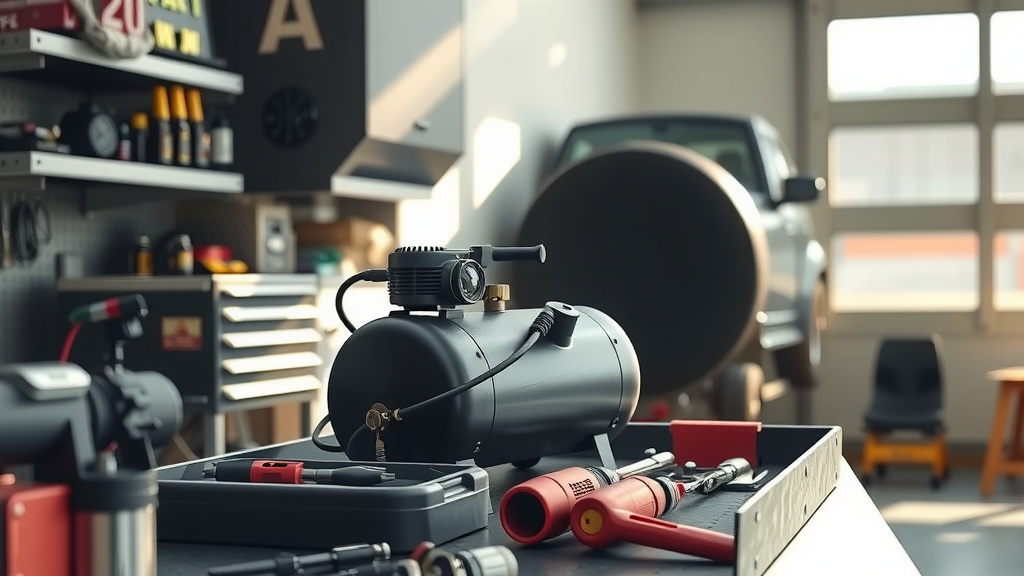
If your air compressor goes out, all air-powered tools and machinery immediately stop functioning, bringing your work or production line to a complete halt. This unexpected failure can quickly lead to significant downtime, lost productivity, and potentially costly repairs or replacements for your operation.
Here’s a quick overview of what to expect when your air compressor fails:
- Your pneumatic tools will stop working instantly.
- Production or projects relying on compressed air will halt.
- Safety risks may increase, especially if critical systems fail.
- You might face unexpected repair costs and downtime.
- Proper troubleshooting and maintenance can prevent future issues.
What Happens If Your Air Compressor Goes Out?
When your air compressor suddenly dies, it’s like the rug gets pulled out from under your entire operation. The immediate impact is a complete stop of any task requiring compressed air.
Whether you’re framing a house, running an auto shop, or powering a factory line, everything grinds to a halt. It’s an inconvenience at best, and a major crisis at worst.
Immediate Impact on Your Work
Imagine you’re in the middle of a big project. You’re using your trusty nail gun, paint sprayer, or impact wrench. Then, silence. The power is gone. That’s the first thing you’ll notice.
Suddenly Losing Power
Your pneumatic tools rely on a steady supply of pressurized air. When the compressor stops, that supply vanishes. You can’t drill, paint, or sand. Everything powered by air simply quits.
Many experts emphasize that this sudden loss can disrupt schedules significantly. You might have to scramble for backup solutions or pause work entirely.
Tools Stop Working
It’s not just about the power; it’s about your specific tools. Your air hammer won’t hammer. Your sandblaster won’t blast. This means your production comes to a standstill, often mid-task.
For businesses, this can mean missed deadlines and unhappy customers. For home users, it means your weekend project gets indefinitely postponed. It’s a frustrating situation.
Safety Concerns When It Fails
Beyond inconvenience, a failing compressor can sometimes pose safety risks. While less common, certain scenarios can be dangerous. For example, if a compressor overheats before failing, it could be a fire hazard.
Always prioritize safety. If you smell burning or hear unusual noises, power down the unit immediately. Research often connects these signs with potential internal damage (OSHA guidelines).
Common Reasons Air Compressors Fail
Air compressors are robust machines, but they aren’t immortal. Understanding why they fail helps you prevent future breakdowns. Many issues stem from simple wear and tear or electrical faults.
We found that lack of regular maintenance is a leading cause of premature failure. Just like a car, your compressor needs attention.
Electrical System Issues
A surprising number of compressor problems start in the electrical system. These issues can range from minor annoyances to total unit failure.
Motor Problems
The motor is the heart of your compressor. If it overheats, burns out, or experiences power surges, the entire unit stops. You might hear a hum but no compression.
Many technicians recommend checking the thermal overload switch first. This safety feature often trips to prevent motor damage. If it’s tripped repeatedly, you have a bigger issue.
Wiring Glitches
Loose connections, frayed wires, or damaged power cords can interrupt power flow. These glitches are often visible. Always disconnect power before inspecting wiring.
A simple visual check can sometimes reveal the problem. Look for signs of burning or melted insulation. This indicates an electrical fault that needs professional attention.
Mechanical Wear and Tear
Moving parts wear out over time. This is a natural process that maintenance can slow but not stop. Mechanical issues can severely impact performance.
Pump Malfunctions
The pump compresses the air. If the pistons, cylinders, or valves within the pump wear out, efficiency drops. You might notice your compressor taking longer to build pressure.
Eventually, a worn-out pump will fail to build any pressure at all. This means no air for your tools. This is a common failure point for older units, we found.
Valve Blockages
Inlet and outlet valves control airflow. If these get sticky, dirty, or blocked, the compressor can’t operate efficiently. Air might leak or pressure won’t build.
Many experts suggest checking and cleaning valves during routine maintenance. This simple step can prevent significant problems down the line.
How to Troubleshoot a Failing Compressor
When your compressor dies, don’t panic. There are some basic troubleshooting steps you can take before calling for help. Often, it might be a simple fix.
Start with the easiest and most obvious checks. You might be surprised what you find.
Simple Checks You Can Do
Here’s a quick checklist of things to look at:
- Is the power cord plugged in securely?
- Did a circuit breaker trip? Check your electrical panel.
- Is the air tank drain valve completely closed?
- Are all air hose connections tight and leak-free?
- Is there enough oil in the pump (if it’s an oil-lubricated model)?
- Has the thermal overload switch tripped? Press the reset button if present.
These small actions can often resolve common issues. It’s like checking the gas in your car when it won’t start.
When to Call a Pro
If simple checks don’t work, it’s probably time for a professional. Don’t try to fix complex internal issues yourself. You could make things worse or even create a safety hazard.
Many experts agree that complex motor or pump repairs are best left to trained technicians. They have the tools and experience to diagnose and fix the problem safely.
Preventative Maintenance: Your Best Defense
The best way to avoid a compressor going out is regular preventative maintenance. A little effort now can save you a lot of headache and money later.
Think of it as an insurance policy for your equipment. Many guidelines point to consistent maintenance as key for longevity (Industry Best Practices).
Regular Inspections and Care
Inspecting your compressor regularly helps catch small problems before they become big ones. Make it part of your routine. What should you look for?
This table outlines some key maintenance tasks and their frequency:
| Maintenance Task | Frequency (General Guideline) | Why It Matters |
|---|---|---|
| Drain Air Tank | Daily/Before Each Use | Prevents rust, extends tank life. |
| Check Oil Level | Weekly/Before Each Use | Lubricates pump, prevents wear. |
| Clean Air Filter | Monthly/More Often in Dusty Areas | Ensures clean air intake, prevents clogs. |
| Inspect Hoses & Fittings | Monthly | Checks for leaks, cracks, and wear. |
| Check Safety Valve | Quarterly | Ensures proper pressure relief. |
Following these steps helps keep your compressor running smoothly. It’s like getting an oil change for your car.
Understanding Your Manual
Your compressor’s user manual is a treasure map for maintenance. It contains specific instructions for your model. Always read and follow these guidelines carefully.
Many manufacturers provide detailed schedules and troubleshooting tips in the manual. This document is your first and best resource, we found.
Conclusion
Having your air compressor go out can bring your work to an unexpected, frustrating halt. From immediate loss of power to potential safety concerns, the ripple effects are significant. Understanding common causes, like electrical or mechanical failures, empowers you to act.
While troubleshooting minor issues yourself is possible, don’t hesitate to call a professional for complex problems. Ultimately, a proactive approach with regular preventative maintenance is your best strategy. Keep your compressor healthy, and it will keep your projects moving.
What are the signs that an air compressor is about to fail?
Common signs include unusual noises (like grinding or knocking), decreased pressure output, frequent cycling on and off, visible leaks (air or oil), and the motor overheating. Addressing these early can prevent total failure.
Can a small residential air compressor be repaired, or is replacement better?
For small residential units, simple repairs like replacing a power cord or a pressure switch are often cost-effective. However, if the motor or pump fails, replacement might be more economical, as repair costs can approach the price of a new unit. Many experts suggest weighing the repair cost against a new unit’s price.
How long do air compressors typically last?
The lifespan varies greatly depending on usage, brand quality, and maintenance. Well-maintained industrial compressors can last 10-15 years or more. Residential units often last 5-10 years. Neglecting maintenance significantly shortens this lifespan.
Is it safe to try to fix my air compressor myself?
For basic checks like plugging it in, resetting a breaker, or draining the tank, yes, it’s generally safe. However, for internal electrical issues, pump repairs, or anything involving high pressure components, it’s safer and recommended to consult a certified technician. Working with compressed air can be dangerous if not handled correctly (OSHA guidelines).
What kind of maintenance is most important for compressor longevity?
Regularly draining the air tank to remove condensation, checking and changing the oil (for oil-lubricated models), cleaning or replacing air filters, and inspecting hoses for leaks are among the most important tasks. These prevent common issues and extend the life of your unit significantly.
