
What Happens When Your Air Compressor Stops Working?
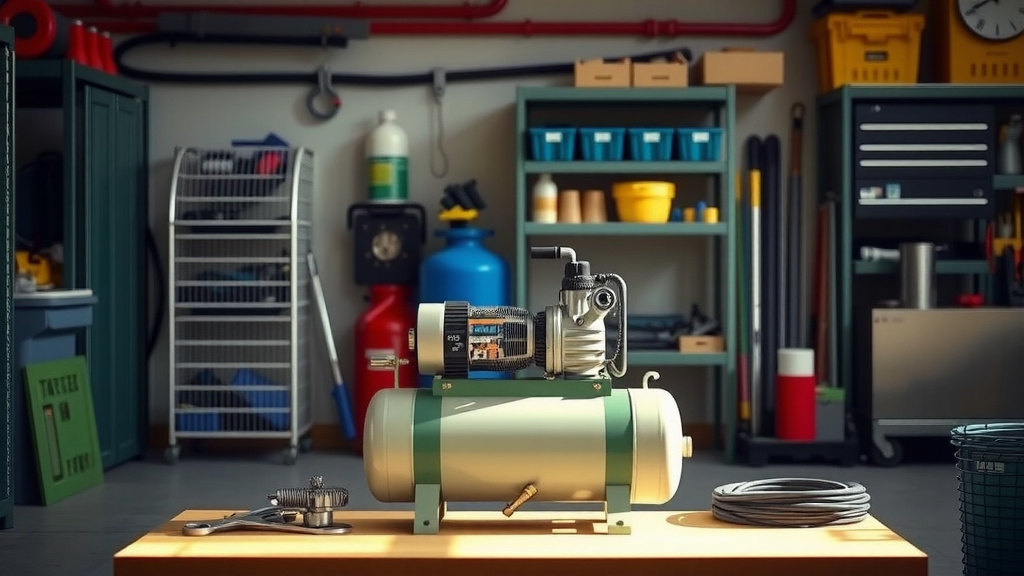
When your air compressor stops working, you instantly lose a vital power source for your tools, bringing projects to a grinding halt and causing frustrating downtime. This can disrupt everything from simple DIY tasks to professional workshop operations.
A sudden stop often points to power supply issues, motor failure, or internal pressure problems, all of which require prompt investigation to resume air tool functionality.
Here’s a quick look at what we’ll cover to help you when your air compressor stops working:
- Identifying immediate impacts on your projects.
- Discovering common reasons for compressor failure.
- Practical troubleshooting steps you can try.
- Knowing when to seek expert help.
- Simple ways to prevent future breakdowns.
What Happens When Your Air Compressor Stops Working?
When your air compressor stops working, your entire workflow might come to an abrupt stop. You can’t power air nailers, impact wrenches, or paint sprayers. This means lost productivity and potential project delays for you.
Immediate Impact on Your Work
Imagine you’re mid-project, perhaps painting a fence or rotating tires, and suddenly your air tools go silent. That’s the immediate effect: everything just stops. It’s not just an inconvenience; it can be a big setback. You might feel frustrated and wonder what went wrong.
This disruption can be more than annoying; it might be costly. If you’re running a business, every minute of downtime means lost earnings. We found that quick action makes a real difference in these situations.
Why Your Compressor Might Quit
Air compressors are sturdy machines, but they aren’t immune to issues. Like any tool, they have parts that can wear out or experience failures. Understanding these common problems can help you act quickly and get back to work. Is it something simple, or something more serious? Let’s find out.
Common Electrical Issues to Check First
Often, the problem isn’t the compressor itself but its power source. Did you check the outlet? Is the circuit breaker tripped? These are simple but often overlooked first steps. A lack of power means your compressor simply can’t turn on.
Sometimes, the extension cord you’re using might be the problem. An undersized or damaged cord can prevent enough power from reaching the unit. Always use a heavy-duty extension cord suitable for your compressor’s power needs.
Understanding Electrical Trip-Ups
Your circuit breaker is a safety device, designed to prevent electrical overloads. If your compressor draws too much power, the breaker “trips” to cut power. This protects your compressor and your electrical system. Many experts say a frequently tripping breaker could point to a more serious electrical issue within the unit (Electrical Safety Foundation International).
Mechanical Failures: Beyond the Power Cord
If electrical issues aren’t the cause, the problem likely lies within the compressor’s mechanical components. These parts work hard and can eventually fail. It’s like a car engine; constant use leads to wear. Let’s explore some of these common internal challenges.
The Dreaded Motor Burnout
The motor is the heart of your air compressor. If it burns out, your unit becomes a very heavy paperweight. This can happen from overheating, prolonged heavy use, or an electrical surge. You might notice a burning smell or hear a distinct whine before it fails completely. Many experts recommend avoiding continuous heavy use to prevent motor burnout.
Pressure Switch Problems
The pressure switch tells your compressor when to turn on and off, maintaining consistent tank pressure. If it malfunctions, your compressor might not start, or it might run constantly. Sometimes it’s a simple adjustment, other times it means a faulty switch. A broken switch means no air regulation.
Air Leaks and Their Silent Damage
Air leaks are sneaky. They can slowly drain your tank pressure without you noticing until your compressor runs more often than it should. Leaks reduce efficiency and can overwork your motor. Check connections and hoses with soapy water to spot tiny bubbles. This simple test can reveal hidden pressure loss.
Maintenance Neglect: The Hidden Culprit
We often forget about routine maintenance until something breaks. But for an air compressor, consistent care is key to its longevity. Skipping steps like oil changes or filter cleaning can lead to premature failure. Think of it as ignoring your car’s oil light; it rarely ends well.
When Filters Get Clogged
Your air filter keeps dirt and debris out of the compressor’s internals. A clogged filter restricts airflow, making the motor work harder. This reduces efficiency and can cause overheating. Replacing filters regularly is a small step that provides major protection for your machine.
Oil Levels and Performance
For oil-lubricated compressors, correct oil levels are vital. Too little oil causes friction and overheating, damaging internal components. Too much can lead to other issues, like oil getting into your air lines. Always check your oil and change it as recommended (National Fluid Power Association).
Troubleshooting Steps You Can Take
Before calling a technician, there are a few things you can try. These steps can help you diagnose the problem, and sometimes, even fix it yourself. You might be surprised how often a simple check resolves the issue.
- Check the power supply: Is it plugged in? Is the outlet working?
- Reset the circuit breaker: Sometimes it just needs a flip.
- Inspect the pressure switch: Can you hear it click? Is it stuck?
- Look for visible leaks: Use soapy water on connections and hoses.
- Check the air filter: Is it dirty? Remove and inspect it.
- Verify oil levels (if applicable): Is there enough oil?
When to Call a Professional
While DIY fixes are great, some problems need expert hands. If you’ve tried the basic troubleshooting and your compressor still isn’t working, or if you suspect a motor issue or internal pump damage, it’s time to call a professional. Don’t risk further damage or personal injury. We found that early professional intervention can often prevent more costly repairs later.
Preventative Measures to Keep Things Running Smoothly
Prevention is always better than a cure, especially with machinery. Regular maintenance can dramatically extend your compressor’s lifespan and prevent unexpected shutdowns. It saves you time, money, and a lot of headaches in the long run. We found that a proactive approach keeps your tools running reliably.
Here’s a look at how consistent maintenance can impact your compressor:
| Maintenance Approach | Potential Outcomes |
|---|---|
| Regular Maintenance | Longer lifespan, higher efficiency, fewer breakdowns, consistent performance, safer operation. |
| Irregular Maintenance | Shorter lifespan, reduced efficiency, frequent breakdowns, inconsistent power, increased repair costs. |
Conclusion
When your air compressor stops working, it can certainly throw a wrench in your plans. However, by understanding the common culprits like electrical issues, mechanical failures, and maintenance neglect, you’re better equipped to react. Remember to start with simple checks and don’t hesitate to seek professional help when needed. A little preventative care goes a long way in keeping your valuable tools ready for action. You can keep your projects moving and your frustration levels low by being prepared.
What are common reasons an air compressor won’t turn on?
The most common reasons an air compressor won’t turn on include a tripped circuit breaker, a faulty power outlet or extension cord, issues with the pressure switch, or a motor problem. Always check your power source first, then inspect the switch and motor for visible signs of damage or issues.
How do I know if my air compressor’s motor is burnt out?
Signs of a burnt-out motor often include a distinct burning smell, smoke, or the motor making a humming sound but failing to start. In some cases, the motor might feel very hot to the touch. If you suspect a motor issue, it’s often best to consult a professional for diagnosis and repair.
Can a dirty air filter stop my compressor from working?
Yes, a severely dirty or clogged air filter can significantly hinder your compressor’s performance and even cause it to stop working. A clogged filter restricts airflow, forcing the motor to work harder, which can lead to overheating and eventual shutdown or damage. Regular filter checks and replacements are crucial.
What is the typical lifespan of an air compressor?
The lifespan of an air compressor varies widely based on its type, build quality, and maintenance. Many experts say that with proper care, a good quality compressor can last anywhere from 5 to 15 years, sometimes even longer for industrial models. Regular maintenance significantly extends this operational period.
Should I try to repair an air compressor myself?
For simple issues like checking power cords, resetting breakers, or changing air filters, DIY repair is generally fine. However, for more complex internal problems involving the motor, pump, or electrical components beyond the basics, it’s safer and often more cost-effective to call a qualified technician. Attempting complex repairs without proper knowledge can cause further damage or pose safety risks.
