
What Oil To Use In Air Compressor Pump?
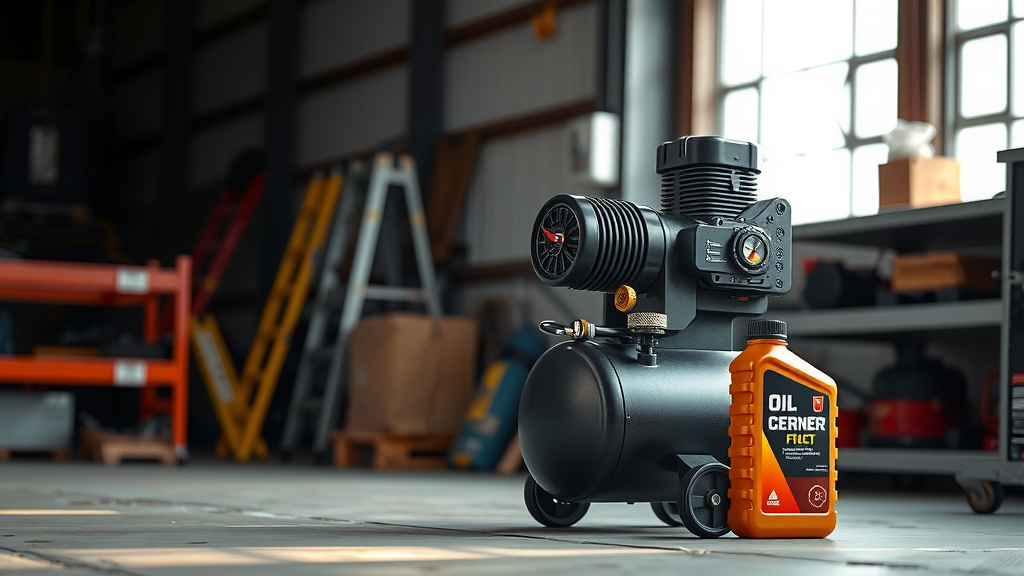
For your air compressor pump, you should primarily use a dedicated air compressor oil. These oils are specifically formulated to handle the unique demands of compressor operation, including high temperatures and moisture.
Always consult your compressor’s owner’s manual first, as it will specify the exact type and viscosity of oil recommended for your specific model, which is crucial for optimal performance and longevity.
- TL;DR: Use dedicated air compressor oil for your pump.
- TL;DR: Always check your owner’s manual for the right type and viscosity.
- TL;DR: Synthetic compressor oil offers better performance and longevity for most units.
- TL;DR: Never substitute automotive engine oil for air compressor oil; they are very different.
- TL;DR: Regular oil changes are vital for keeping your compressor running smoothly and avoiding costly repairs.
What Oil To Use In Air Compressor Pump?
The best oil to use in your air compressor pump is always the type recommended by the manufacturer in your owner’s manual. This usually means a specific compressor oil designed for its unique demands.
You might be wondering, “Can I just use regular motor oil?” It’s a common question, and we’re here to help you understand why dedicated compressor oil is the correct choice. Using the wrong oil can cause big problems for your machine down the road.
Why Is Compressor Oil So Special?
Imagine your air compressor pump as a marathon runner. It works hard, heats up, and needs specific fuel to keep going. Compressor oil isn’t just any lubricant; it’s engineered for the tough environment inside your pump. It deals with high temperatures and pressures, which are very different from what a car engine experiences.
These oils have special additives that resist things like foaming, rust, and carbon buildup. They are designed to keep the internal parts clean and cool. Without these additives, you could see serious wear and tear, shortening the life of your compressor.
The Right Oil: Air Compressor Type Matters
Just like people, not all air compressors are built the same. The type of compressor you own plays a big role in choosing the right oil. A small pancake compressor has different needs than a large industrial rotary screw unit. We’ll look at the main types.
Piston (Reciprocating) Compressors: Your Workhorse
Most home and shop compressors are piston-driven. These machines rely on pistons to compress air, creating a lot of friction and heat. For these units, synthetic or petroleum-based compressor oils are common. Your manual might specify a non-detergent oil.
We found that many manufacturers recommend a specific ISO VG (Viscosity Grade) for their piston models (Ingersoll Rand). This rating tells you how thick or thin the oil is. A lighter viscosity oil flows more easily, while a heavier one provides more protection in high heat.
Rotary Screw Compressors: The Industrial Powerhouse
These are the big boys you find in factories and large workshops. Rotary screw compressors use two rotating helical screws to compress air continuously. They run hotter and longer, making synthetic oil almost essential.
Synthetic oils can withstand the extreme conditions in these units much better. They provide superior protection against wear and thermal breakdown. Using anything less can lead to costly breakdowns and repairs (Atlas Copco). These industrial machines truly demand the best.
Synthetic vs. Conventional: Which One Should You Pick?
This is a common dilemma, almost like choosing between a high-performance sports car and a reliable sedan. Both synthetic and conventional (petroleum-based) oils have their place, but they offer different levels of protection and benefits for your air compressor pump.
Conventional oils are refined from crude oil and are generally more affordable. They work fine for lighter-duty compressors or those not used often. However, they break down faster and can leave more carbon deposits, requiring more frequent oil changes. We found they are a budget-friendly option for intermittent use.
Synthetic oils are engineered in a lab. They offer superior protection, operate better in extreme temperatures, and last much longer. Many experts say synthetic oil provides better lubrication and reduces wear significantly (Popular Mechanics). They also keep your compressor cleaner inside, leading to fewer maintenance issues over time. It’s an upfront investment that often pays off.
| Feature | Conventional Oil | Synthetic Oil |
|---|---|---|
| Cost | Lower initial cost | Higher initial cost |
| Lifespan | Shorter (more frequent changes) | Longer (less frequent changes) |
| Temperature Range | Limited, can break down in heat | Wide, excellent in extreme heat/cold |
| Wear Protection | Good, but not as superior | Excellent, reduces friction significantly |
| Cleaner Operation | Can lead to more carbon buildup | Keeps components cleaner |
Understanding Viscosity: What Do The Numbers Mean?
Viscosity is simply how thick or thin a liquid is. Think of honey versus water. The ISO VG (International Standards Organization Viscosity Grade) number tells you the oil’s viscosity. For instance, ISO VG 46 or VG 68 are common for piston compressors.
Your owner’s manual will specify the correct ISO VG for your compressor. Using an oil that’s too thick might make your pump work harder, especially in cold weather. An oil that’s too thin might not provide enough protection at high temperatures. It’s a delicate balance for optimal function.
The Danger of Using the Wrong Oil
Using the wrong oil in your air compressor pump is like putting diesel fuel in a gasoline car. It won’t work properly, and it can cause serious damage. Automotive oils, for example, have detergents that are bad for compressors. These detergents can foam up, leading to air bubbles in the oil.
Foaming oil doesn’t lubricate effectively, causing excessive wear and heat buildup. It can also leave deposits that clog air passages and valves. Research often connects incorrect lubrication with premature component failure (Pumps & Systems Magazine). Avoid the temptation; stick to the right stuff to prevent expensive repairs.
Wrong Oil Checklist: What to Avoid
- Automotive Motor Oil: Contains detergents that cause foaming and carbon buildup.
- Hydraulic Fluid: Not formulated for air compressor pressures and temperatures.
- Transmission Fluid: Lacks the specific anti-wear and anti-corrosion properties needed.
- Any Oil Not Specified in Your Manual: It’s a gamble you shouldn’t take with your equipment.
- Mixed Oils: Don’t blend different types of compressor oils unless specified.
How Often Should You Change Your Compressor Oil?
Changing your compressor oil is one of the easiest ways to extend its life. Think of it as your compressor’s regular health check-up. The frequency depends on how often you use it and the type of oil you’re using. Your owner’s manual will give you the most accurate schedule.
As a general rule, conventional oils might need changing every 200-500 hours of operation. Synthetic oils, on the other hand, can often go much longer, sometimes up to 2,000 hours or more. If your compressor works in dusty or humid conditions, you might need to change the oil more frequently. Don’t wait until the oil looks dark or smells burnt; proactive changes are always best.
Important Considerations Before You Buy
Before you hit the “buy” button for new air compressor pump oil, take a moment to consider these key points. Making the right choice now can save you headaches and money later. It’s about being prepared and making an informed decision.
- **Check Your Manual First:** This is truly the most important step. It tells you the exact type and ISO VG.
- **Consider Your Usage:** If you use your compressor daily, synthetic oil is a smart investment. For occasional use, conventional might suffice.
- **Environment Matters:** If your workshop is dusty or humid, choose an oil with good moisture and particulate resistance.
- **Brand Compatibility:** Some compressor brands recommend their own specific oil. Stick with it if possible for warranty and performance.
- **Buy Quality:** Don’t just grab the cheapest option. A good quality oil protects your investment.
Common Mistakes to Avoid
We’ve talked about what to do, now let’s quickly cover what *not* to do. Avoiding these common pitfalls will keep your compressor happy and healthy. It’s often the little things that make the biggest difference in maintenance.
One big mistake is overfilling the oil reservoir. Too much oil can cause excessive pressure and damage seals. Another error is neglecting regular oil changes. Old, dirty oil loses its lubricating properties and can lead to serious wear. Always use a clean funnel and keep the area around the oil fill cap clean to prevent contaminants from entering.
What About Car Oil or Motor Oil?
No, you absolutely should not use car oil or motor oil in your air compressor pump. This is one of the most common and damaging mistakes people make. Car oils contain detergents that are designed to clean engines, suspending carbon and contaminants. In an air compressor, these detergents cause excessive foaming and deposit buildup on valves.
Furthermore, car oils typically have different viscosity improvers and temperature ranges not suited for compressors. The result is poor lubrication, overheating, and rapid wear on crucial components. We found that using automotive oil can void your compressor’s warranty and lead to its premature failure (Popular Science). It’s a definite no-go.
Reading Your Compressor Manual: Your Best Friend
We’ve said it before, and we’ll say it again: your compressor’s owner’s manual is your ultimate guide. It contains all the manufacturer’s specific recommendations for oil type, viscosity, and change intervals. Think of it as the “secret recipe” for keeping your machine running perfectly.
If you’ve lost your manual, don’t worry! Most manufacturers offer digital versions on their websites. A quick search with your compressor’s model number should find it. Taking the time to read and understand this document will save you trouble and ensure you’re always making the right decisions for your equipment.
Conclusion
Choosing the correct oil for your air compressor pump is not just a recommendation; it’s a necessity for its longevity and efficient operation. Always prioritize dedicated air compressor oil, consulting your owner’s manual for the precise specifications. Whether you opt for conventional or synthetic, understanding your compressor’s needs and usage patterns will guide you to the best choice. By following these simple guidelines, you’ll ensure your air compressor remains a reliable and powerful tool for years to come. Your compressor will thank you for taking the time to give it the care it deserves.
Why can’t I use regular motor oil in my air compressor?
Regular motor oil contains detergents that are designed to clean automotive engines. These detergents create foam and carbon deposits when used in an air compressor, which can lead to poor lubrication, overheating, and rapid wear of internal components. Compressor oils are formulated without these detergents and include specific additives for high-pressure, high-temperature, and moisture-prone environments.
What does ISO VG mean when talking about compressor oil?
ISO VG stands for International Standards Organization Viscosity Grade. This number indicates the oil’s kinematic viscosity at 40 degrees Celsius. In simple terms, it tells you how thick or thin the oil is at a standard operating temperature. Your compressor’s manual will specify the correct ISO VG (e.g., ISO VG 46 or VG 68) for optimal performance and protection.
Is synthetic air compressor oil worth the extra cost?
For many users, especially those who use their compressors frequently or in demanding conditions, synthetic air compressor oil is absolutely worth the extra cost. Synthetic oils offer superior lubrication, better performance in extreme temperatures, and significantly longer change intervals compared to conventional oils. They also reduce wear, keep the compressor cleaner, and can lead to fewer maintenance issues over the long term, ultimately saving money and hassle.
How often should I check the oil level in my air compressor?
You should check the oil level in your air compressor pump regularly, ideally before each use or at least once a week if used frequently. Maintaining the correct oil level is crucial to prevent overheating and ensure adequate lubrication. Always check the level when the compressor is off and on a level surface, referencing the dipstick or sight glass on your unit.
Can I mix different types or brands of air compressor oil?
It is generally not recommended to mix different types or brands of air compressor oil unless specifically stated in your compressor’s manual. Different oils can have varying additive packages that might react negatively when combined, leading to reduced performance, breakdown of lubrication properties, or even sludge formation. Always drain the old oil completely before refilling with a new, compatible oil.
