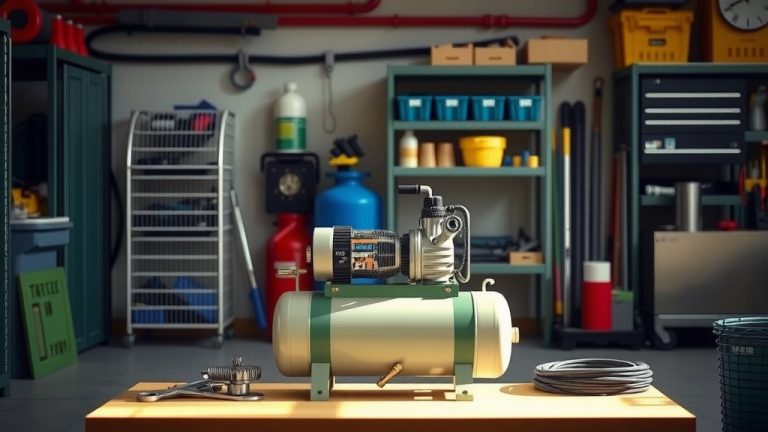
What To Look For In A Portable Air Compressor?
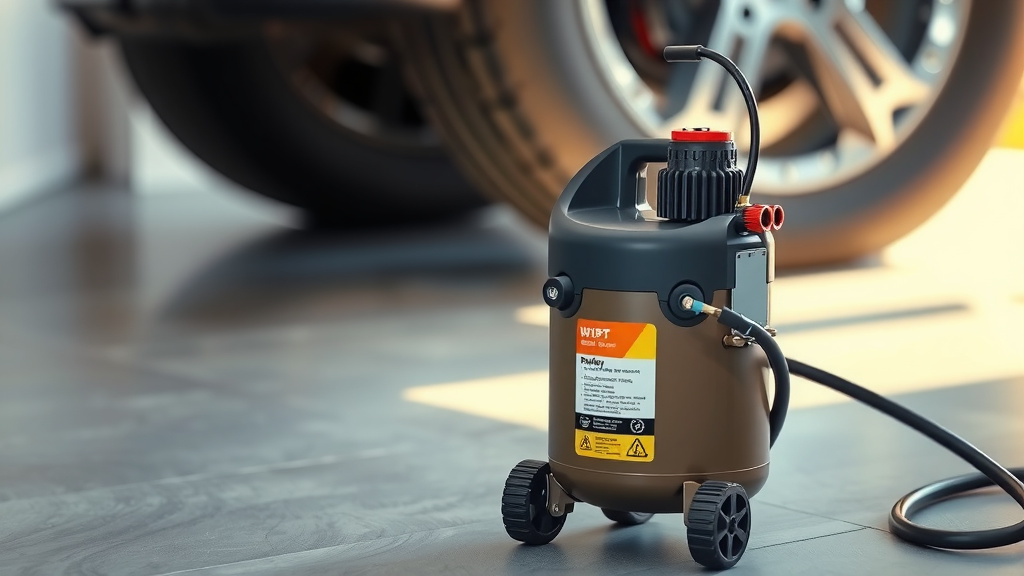
When choosing a portable air compressor, focus on its PSI (pounds per square inch) and CFM (cubic feet per minute) to match your specific tool requirements.
A reliable portable air compressor also offers the right tank size, a suitable power source for your needs, and manageable noise levels for comfortable operation.
- Always match your compressor’s PSI and CFM to the air tools you plan to use.
- Consider the tank size: smaller for quick jobs, larger for continuous air flow.
- Think about your power options – 12V for cars, battery for cordless freedom, or electric for sustained power.
- Prioritize ease of carrying, including weight, size, and sturdy handles.
- Look for quieter models and check if essential accessories are included.
What To Look For In A Portable Air Compressor?
When you’re ready to pick a portable air compressor, you are essentially looking for a reliable partner for your inflation and air tool needs. It’s about finding a balance between power, portability, and convenience that fits your unique projects.
Understanding PSI and CFM: The Power Duo
These two terms, PSI and CFM, are the heart of any air compressor. They tell you exactly what the machine can do. You wouldn’t buy a car without checking its engine size, right? It’s the same here.
PSI, or pounds per square inch, measures the force of the compressed air. Think of it as how hard the air pushes. For inflating tires or using a blow gun, you need enough PSI to get the job done quickly and efficiently.
CFM, or cubic feet per minute, measures the volume of air the compressor can deliver. This is about how much air flows out over time. If your air tools need a constant supply of air, CFM becomes incredibly important to keep them running without interruption.
Matching Your Tools to Air Power
Many experts say that knowing your tools’ air requirements is the first step. For example, a nail gun uses quick bursts of high PSI air, but not much volume. An orbital sander, conversely, needs a constant stream of both adequate PSI and higher CFM to operate smoothly.
We found that smaller tasks like inflating car tires typically require around 90-120 PSI and lower CFM. Larger tasks, such as operating an impact wrench or spray gun, often demand 90 PSI or more, coupled with significantly higher CFM values.
Tank Size: Storage vs. Sustained Use
The air tank is like a small reserve. It holds compressed air, so the motor doesn’t have to run constantly. Do you need a lot of air at once, or just short bursts?
Smaller tanks, often 1-3 gallons, are fantastic for quick jobs. They are lighter and more portable. Think tire inflation, blowing dust, or using a brad nailer for a few nails. The motor kicks on more often, but the machine is easy to move.
Larger tanks, perhaps 5-10 gallons, provide more continuous air before the motor cycles on again. This is great for tools that run longer, like paint sprayers or small sanders. The trade-off? More weight and a larger footprint, making them less “portable” in some situations.
Power Source: Where Will You Use It?
How you power your portable air compressor dictates where you can use it. This is a practical consideration for your workspace.
12V (Car Plug) Compressors
These small units plug directly into your vehicle’s 12-volt accessory outlet. They are perfect for roadside emergencies, inflating bicycle tires, or topping off sports equipment. Their main strength is convenience away from home, though they are usually lower power.
Battery-Powered Portables
Cordless freedom is a real advantage here. Battery-powered compressors are fantastic for job sites without power, or quick tasks around the yard. They offer good portability and decent power for many DIY tools, though run time depends on battery capacity.
Electric (AC) Models
These plug into a standard wall outlet. They usually offer the most consistent power and higher CFM for more demanding tools. Many professionals rely on electric models for their steady performance, assuming a power source is available.
Duty Cycle: How Long Can It Work?
The duty cycle tells you how long the compressor can run continuously before needing to cool down. It’s often expressed as a percentage. For example, a 50% duty cycle means it can run for 5 minutes and then needs 5 minutes to rest.
If you plan extended use with high-demand tools, a higher duty cycle is a must. Overworking a compressor can shorten its lifespan. We found that light-duty models might have a lower duty cycle, which is fine for intermittent use.
Portability: Can You Really Take It Anywhere?
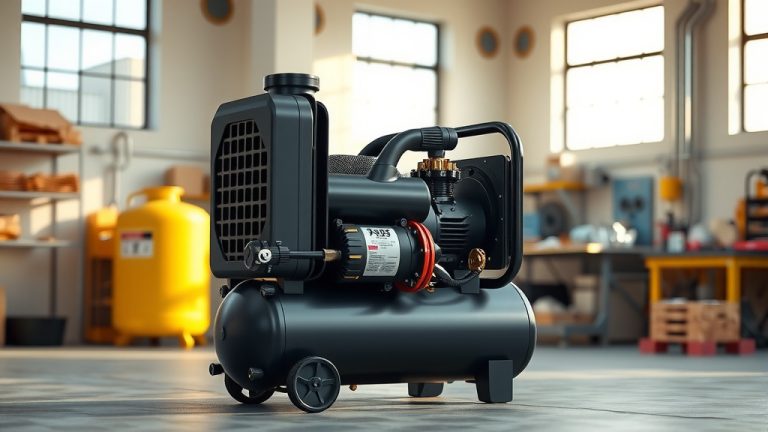
The word “portable” should mean something, right? Consider the actual weight and physical size. Can you comfortably carry it with one hand? Are there sturdy handles?
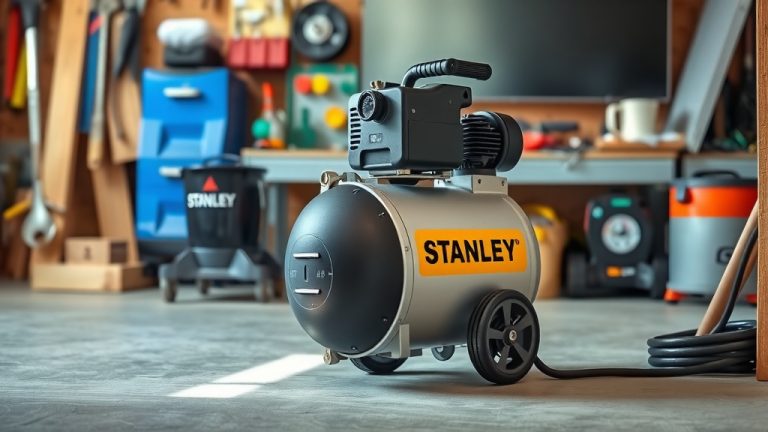
Some models even include wheels, which makes moving a heavier unit much easier. A compact design is always a plus, especially if storage space is limited in your garage or vehicle.
Noise Level: A Quiet Companion or a Roaring Beast?
Air compressors can be loud, often measured in decibels (dB). Imagine trying to have a conversation next to a jackhammer! Many experts say that lower dB ratings, ideally below 70-75 dB, make for a much more pleasant working experience.
Working in a garage or indoors will make you appreciate a quieter model. Some newer compressors are designed with noise reduction in mind, which is a great feature to look for, especially for home use.
Essential Features and Accessories
Beyond the core specs, certain features make a huge difference in usability. Does it come with an air hose, or will you need to buy one separately? What about different nozzle attachments?
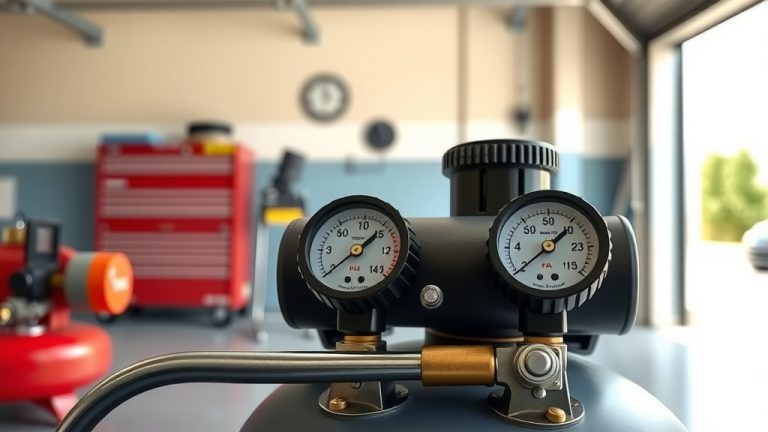
- An easy-to-read pressure gauge is critical for precise inflation.
- Look for a quick-connect coupler for fast tool changes.
- A drain valve on the tank is essential for maintenance, letting out condensation.
- Overload protection can prevent damage to the motor.
- Consider if it comes with various nozzles for different inflation needs.
| Task | Recommended PSI | Recommended CFM | Ideal Tank Size |
|---|---|---|---|
| Inflating Car Tires | 90-120 PSI | 1-2 CFM | 1-3 Gallons |
| Brad Nailing | 70-90 PSI | 1-3 CFM | 1-4 Gallons |
| Blow Gun Cleaning | 40-70 PSI | 2-4 CFM | Any Small Tank |
| Light Spray Painting | 20-50 PSI | 3-5 CFM | 5-8 Gallons |
| Impact Wrench (Small) | 90-100 PSI | 4-6 CFM | 5-10 Gallons |
Maintenance: Keeping Your Compressor Happy
A well-maintained portable air compressor lasts longer and performs better. The most vital task is draining the tank after each use. Condensation builds up inside, which can lead to rust if left unchecked. Look for an easily accessible drain valve.
Checking the air filter and keeping the cooling fins clean also contribute to its longevity. Many guidelines point to regular, simple upkeep as a key factor in extending your compressor’s working life.
Quick Checklist for Your Portable Air Compressor
- Is the PSI sufficient for your highest pressure tool?
- Does the CFM meet your most demanding tool’s requirements?
- Is the tank size appropriate for your typical task duration?
- Does the power source fit where you’ll use it most?
- Is it genuinely easy to transport and store?
- Is the noise level tolerable for your environment?
Conclusion
Selecting the right portable air compressor doesn’t have to feel complicated. By focusing on PSI and CFM first, then considering tank size, power source, and true portability, you’ll find a machine that truly meets your needs. Think about your most common tasks and choose a compressor that can handle those with ease. With a little research, you can pick a reliable tool that will serve you well for years to come.
What is the difference between oil-lubricated and oil-free portable air compressors?
Oil-free compressors are generally lighter, require less maintenance, and are often quieter, making them popular for casual home use. However, they typically have a shorter lifespan. Oil-lubricated models are usually more durable, can run longer, and are often found in professional settings, but they require oil changes and are heavier.
Can a portable air compressor run air tools continuously?
Most portable air compressors are designed for intermittent use or light-duty tools. For continuous operation of high-demand air tools, you would typically need a larger stationary compressor with a higher CFM and duty cycle. Always check the compressor’s duty cycle and the tool’s air requirements.
How important is the hose length for a portable air compressor?
The hose length is quite important for your reach and flexibility. A longer hose lets you move around your workspace without moving the compressor itself. Shorter hoses can limit your movement, especially for vehicle tasks or larger projects. Consider if the compressor comes with a hose or if you need to purchase one separately to suit your needs.
Are all portable air compressors good for inflating car tires?
Most portable air compressors can inflate car tires, but their speed and efficiency vary. Small, inexpensive 12V models are good for emergencies and topping off. More powerful electric or battery-powered units with higher PSI can inflate tires much faster. Always check the maximum PSI of the compressor against your tire’s recommended pressure.
What safety features should I look for in a portable air compressor?
Essential safety features include a pressure relief valve, which automatically releases excess pressure to prevent over-pressurization. An automatic shut-off feature stops the motor when the tank reaches its maximum pressure. Thermal overload protection helps prevent the motor from overheating. These features help ensure safe operation for you and the machine.