
Why Is My Compressor Not Filling Up With Air?
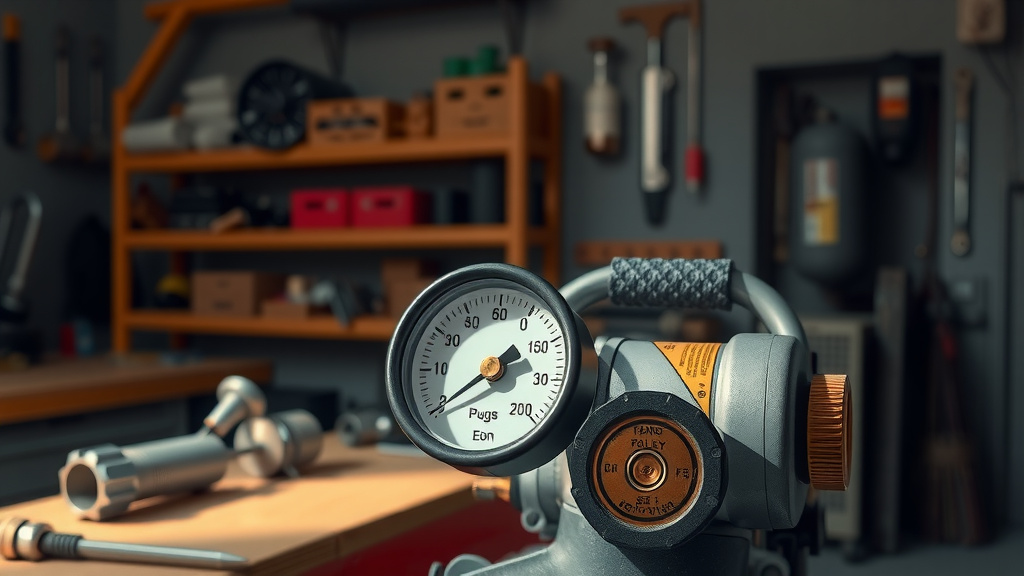
If your air compressor is not filling up with air, the most common culprits are air leaks in the tank or lines, a malfunctioning pressure switch, or issues with the motor or pump itself.
These problems prevent the compressor from building and holding the necessary air pressure to operate effectively.
Here’s a quick look at why your air compressor might be struggling:
- Your compressor could have hidden air leaks, letting pressure escape.
- A faulty pressure switch might not be telling the motor when to start or stop.
- The motor or pump itself could be damaged, unable to build pressure.
- Clogged filters reduce airflow, making it hard to fill the tank.
- A stuck unloader valve can vent air constantly, preventing pressure buildup.
Why Is My Compressor Not Filling Up With Air?
Your air compressor stops filling up with air usually due to a loss of pressure, either because air is escaping or the system isn’t generating it properly. This can be frustrating, but many issues are quite fixable.
The Silent Thief: Air Leaks
Imagine trying to fill a balloon with a tiny pinhole in it. That’s what a leak does to your compressor. Air leaks are a very common reason why your compressor struggles to build pressure.
We found that leaks often happen at fittings, hoses, or the tank drain valve. Even a small leak can significantly affect performance. It’s like a slow drain on your energy bill too, as the compressor runs more often.
How to Find Those Pesky Leaks
Finding a leak is easier than you think. Turn off the compressor after it builds some pressure. Then, spray a soapy water solution on all connections, hoses, and valves. Bubbles will form where air is escaping (Popular Mechanics).
Listen closely too. You might hear a faint hiss. Many experts say a good ear can spot leaks even before the bubbles do. Don’t forget the drain valve at the bottom of the tank.
Pressure Switch Problems: The Brain Trust
The pressure switch is like the brain of your air compressor. It tells the motor when to start pumping air and when to stop. If this part fails, your compressor might not even try to fill the tank.
We found that a faulty pressure switch might prevent the motor from starting altogether. Or, it might stop the motor too early, before the tank reaches full pressure. This can be a real head-scratcher.
Diagnosing a Faulty Pressure Switch
If your compressor motor isn’t kicking on, check the pressure switch. Sometimes, the contacts inside become corroded or worn out. You might also hear a click but no motor engagement. This often points to an electrical issue within the switch.
Always disconnect power before inspecting electrical components. Safety first, right? We found that some pressure switches can be adjusted, but significant failures usually mean replacement.
Motor and Pump Issues: The Heart of the Machine
The motor powers the pump, and the pump creates the compressed air. If either of these vital components isn’t working right, your tank simply won’t fill. This is often a more serious concern.
Many experts emphasize that regular maintenance helps to prevent these critical failures. But sometimes, wear and tear just takes its toll. A failing motor might hum but not turn, or the pump might sound off.
When the Motor or Pump Struggles
Check for overheating. A motor that’s too hot can trip its thermal overload, shutting down the compressor. If the pump itself is noisy or making grinding sounds, it could be worn piston rings or bearings. These issues need professional attention (Consumer Reports).
For belt-driven compressors, a loose or broken belt will prevent the pump from turning. A quick visual check of the belt tension can sometimes reveal the problem. Belt maintenance is simple yet vital.
Clogged Air Filters: Breathe Easy, Compressor
Just like you need clean air to breathe, your compressor needs clean air to operate efficiently. A dirty or clogged air filter restricts airflow into the pump. This makes it harder for the compressor to draw in air and build pressure.
We found that a visibly dirty filter is a strong indicator. It’s like trying to run a marathon while breathing through a cloth. The compressor tries, but it just can’t get enough air. Reduced airflow means reduced performance.
Simple Filter Solutions
Regularly check and replace your air filter. This is one of the easiest and cheapest maintenance tasks you can do. Many experts suggest checking the filter every few months, more often if you work in a dusty environment. A clean filter ensures optimal efficiency.
Unloader Valve Concerns: Venting Frustration
The unloader valve releases pressure from the pump head when the compressor shuts off. This allows the motor to start easily against no pressure. If this valve is stuck open, it will constantly vent air, preventing the tank from filling.
You might hear a continuous hiss from the unloader tube, even when the compressor runs. This means it’s not closing properly. It’s like trying to fill a bucket with a hole near the top. Air escapes faster than it can build.
Check Valve Failure: One-Way Street
The check valve is a one-way gate. It lets air flow from the pump into the tank but prevents it from flowing back out. If this valve fails, air can leak back from the tank into the pump head or through the unloader valve.
We found that a faulty check valve might cause the compressor to cycle on and off frequently. This means it’s losing pressure quickly. You might hear air escaping near the pump after the compressor shuts down. A working check valve is essential for holding pressure.
Other Common Compressor Hiccups
Sometimes, the issue isn’t one of the major components but a smaller detail. These are often easier to fix once identified.
- Condensate Drain Valve: Is it fully closed? A partially open valve acts like a constant leak.
- Tank Rust: Older tanks can develop rust pinholes. This is a severe safety hazard and means the tank needs replacement.
- Low Oil Levels: For oil-lubricated compressors, low oil can cause the pump to seize or run inefficiently. Always check your oil (National Equipment Review).
- Loose Connections: Simply tightening a fitting can sometimes solve a persistent leak.
Quick Troubleshooting Checklist
Before calling for help, run through these points:
- Is the compressor plugged in and receiving power?
- Is the tank drain valve fully closed?
- Are all air hoses and fittings secure?
- Is the air filter clean?
- Can you hear any obvious air leaks?
- Does the motor hum but not start?
Comparing Common Compressor Problems
Here’s a look at some common issues and their typical solutions:
| Problem | Symptoms | Typical Solution |
|---|---|---|
| Air Leaks | Compressor runs constantly, slow pressure build, hissing sound. | Locate and tighten fittings, replace hoses/seals. |
| Pressure Switch Fault | Motor doesn’t start or stops too early/late. | Inspect/clean contacts, replace switch. |
| Clogged Air Filter | Slow pressure build, reduced efficiency. | Clean or replace the air filter. |
| Unloader Valve Stuck Open | Continuous air leak from unloader tube. | Clean or replace the unloader valve. |
| Check Valve Failure | Air leaks back from tank, frequent cycling. | Replace the check valve. |
Conclusion
When your air compressor isn’t filling up with air, it can certainly halt your projects. However, by systematically checking for common issues like leaks, pressure switch malfunctions, or clogged filters, you can often diagnose and fix the problem yourself. Remember, regular maintenance is key to keeping your compressor running smoothly. If you’re unsure or uncomfortable with a repair, always consider seeking professional help.
FAQs About Air Compressor Issues
Why does my air compressor run but not build pressure?
Your air compressor might run but not build pressure because of significant air leaks in the lines or tank, a faulty unloader valve that’s constantly venting air, or a worn-out pump that can no longer compress air effectively. Check for leaks first with soapy water.
How do I know if my compressor check valve is bad?
You can suspect a bad check valve if your compressor cycles on and off frequently, or if you hear air leaking back into the pump head or through the unloader valve after the motor shuts off. This means air isn’t being held in the tank.
Can a dirty air filter stop a compressor from filling?
Yes, absolutely. A severely dirty or clogged air filter restricts the amount of air that can enter the pump. This makes it difficult for the compressor to draw in enough air to build proper pressure in the tank, reducing its overall efficiency.
What is an unloader valve and how does it affect pressure?
The unloader valve releases residual air pressure from the pump head when the compressor stops. This allows the motor to restart without working against high pressure. If it’s stuck open, it will continuously vent air, preventing the tank from filling at all.
When should I call a professional for compressor repair?
You should call a professional if you suspect major pump or motor failure, if you’re uncomfortable with electrical components, or if you’ve tried basic troubleshooting steps without success. Some complex internal repairs require specialized tools and expertise.
