
Can Air Compressors Be Outside?
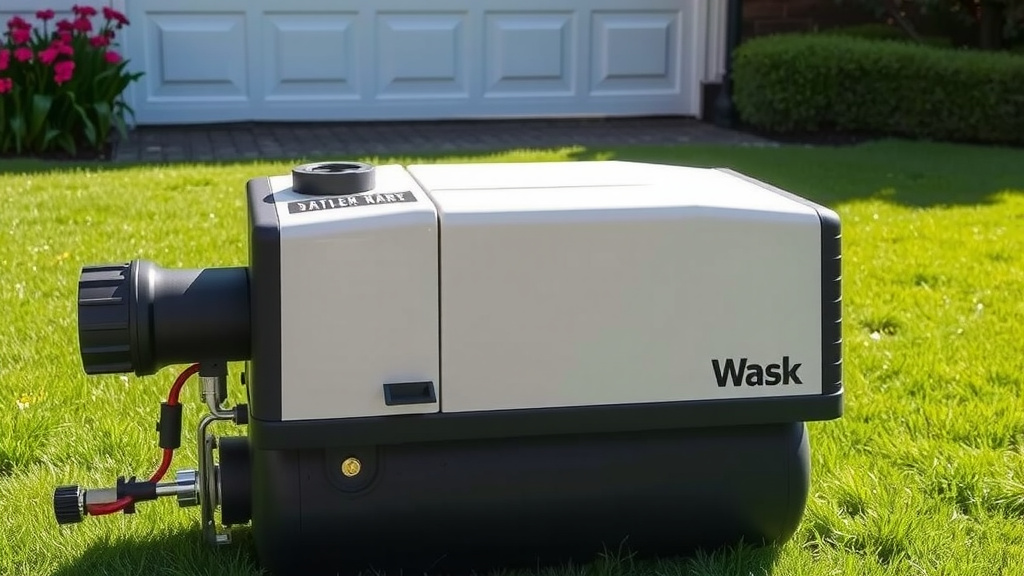
Yes, air compressors can be placed outside, but it requires careful consideration of several factors to ensure their protection, optimal performance, and longevity.
You can keep an air compressor outdoors successfully by shielding it from weather, securing it, ensuring proper ventilation, and managing noise levels.
- You can place an air compressor outside, but it needs strong protection from rain, snow, and direct sunlight.
- Extreme temperatures, both hot and cold, can significantly impact its efficiency and lifespan.
- Noise levels from outdoor compressors can be a concern for neighbors or nearby work areas.
- Security measures are essential to protect your equipment from theft and tampering.
- Proper ventilation is still vital, even outdoors, to prevent overheating and ensure air quality.
Can Air Compressors Be Outside?
You might wonder if it’s okay to keep your air compressor outdoors, especially if you’re short on indoor space. The straightforward answer is yes, you can, but it’s not a simple “set it and forget it” situation. Think of it like leaving a garden tool out; some care is needed.
Keeping an air compressor outside comes with specific challenges and requires some clever solutions to keep your machine running well and lasting a long time. We’ll walk through what you need to know.
The Big Picture: Why Consider Outdoor Placement?
Sometimes, indoor space is simply too tight for your noisy, vibrating air compressor. Perhaps you’re dealing with limited workshop room, or maybe the fumes and heat generated just aren’t welcome inside. Moving it outdoors can seem like a logical step.
The appeal of having more indoor space and better ventilation for your work can be a big draw. Many businesses and homeowners find this option quite appealing for these practical reasons.
What Are the Main Concerns for Outdoor Air Compressors?
When you move an air compressor outside, you introduce it to a world of new challenges. The elements become its biggest foe, along with security and performance issues. We need to tackle these head-on.
Ignoring these factors can lead to frequent breakdowns, expensive repairs, or even a shorter life for your valuable equipment. Let’s make sure that doesn’t happen to your machine.
Weather Woes: Rain, Snow, and Sunlight
Imagine leaving your phone out in a rainstorm – it wouldn’t end well, right? Your air compressor faces similar risks. Water can damage electrical components, rust metal parts, and even spoil the air filter.
Direct sunlight also presents a problem. Constant UV exposure can degrade hoses and plastic parts. Extreme heat from the sun might even cause your compressor to overheat, reducing its efficiency and lifespan (National Institute of Standards and Technology).
Temperature Extremes: Hot and Cold
Air compressors don’t like drastic temperature swings. In very cold weather, moisture can freeze in the lines, causing blockages and damaging internal parts. The oil also thickens, making startup harder.
On the flip side, scorching summer days can lead to overheating. This forces the compressor to work harder, consuming more energy and potentially tripping thermal overload switches. Proper management of these extremes is crucial.
Noise Nuisance: Keeping the Peace
Air compressors, especially piston-driven models, can be quite loud. Placing one outside might solve your indoor noise problem, but it could create a new one for your neighbors or other nearby areas. Nobody wants to be “that loud neighbor.”
You’ll need to think about how to muffle the sound if you choose an outdoor location. This might involve enclosures or strategic placement away from living spaces.
Security Sensibilities: Protecting Your Investment
Unfortunately, anything left outside is more vulnerable to theft or vandalism. An air compressor can be a significant investment, and leaving it unprotected is a risk. You need to consider how to keep it safe.
This concern applies whether you have a small portable unit or a large stationary one. Security measures are not optional when you opt for outdoor placement.
Ventilation Vitals: Still Essential Outdoors
Even though it’s outside, your compressor still needs good airflow. An enclosed space, even outdoors, can trap heat, leading to overheating. Proper ventilation prevents this and ensures optimal operation.
It’s all about letting the machine “breathe” properly. This means thinking about how you build or position any protective structures around it.
Smart Solutions: Making Outdoor Placement Work
Don’t despair! With some thoughtful planning, you can safely and effectively house your air compressor outside. It’s all about providing the right environment for your hard-working machine.
Many professional setups use outdoor compressors with great success. You can too, by following proven strategies. We’ve found that these methods offer the best protection.
Building a Protective Enclosure
The most common and effective solution is a dedicated enclosure. This isn’t just a simple roof; it’s a robust structure designed to shield your compressor from the elements. Think of it as a small, sturdy shed.
This enclosure needs to be waterproof, well-ventilated, and ideally insulated. It also needs to be easily accessible for maintenance tasks. Remember, out of sight shouldn’t mean out of mind.
Consider Your Climate
Before you commit to outdoor placement, think about your local weather. Do you get heavy snowfall, extreme heat waves, or frequent thunderstorms? Your enclosure needs to match your climate’s demands.
For colder climates, you might need to add a small heater to prevent freezing. In hot areas, extra ventilation, like louvers or fans, will be crucial (Occupational Safety and Health Administration).
Noise Reduction Techniques
An enclosure can naturally help reduce noise, especially if it’s built with sound-dampening materials. Acoustic foam or heavier wood can make a big difference.
You can also place the compressor further away from noise-sensitive areas. Some experts suggest orienting the enclosure so that the sound is directed away from homes or offices.
Securing Your Compressor
Lockable doors and sturdy construction are your first lines of defense for any enclosure. Consider anchoring the compressor itself to the ground if it’s a stationary unit. This makes it harder to move.
For portable units, make sure you secure them properly when not in use, perhaps with heavy-duty chains or by storing them in a locked shed. Many experts recommend multi-layered security for outdoor equipment.
Maintaining Accessibility and Service
Even though it’s outside, your compressor still needs regular checks and maintenance. Your enclosure should allow for easy access to oil drains, filters, and other service points. Don’t build a fortress you can’t get into!
This ease of access will make routine tasks much less of a chore, helping you keep your compressor in top shape. Remember, prevention is always better than repair.
Checklist for Outdoor Air Compressor Setup
- Choose a stable, level base to prevent vibrations.
- Build a sturdy, waterproof enclosure with a lockable door.
- Ensure adequate ventilation to prevent heat buildup.
- Install soundproofing materials if noise is a concern.
- Provide easy access for routine maintenance.
- Protect power lines and air hoses from weather and pests.
Choosing the Right Compressor for Outdoor Use
Some compressors are simply better suited for outdoor life than others. Rotary screw compressors, for example, are often more durable and can handle tougher conditions than piston compressors. They’re also generally quieter.
If you’re buying a new compressor with outdoor placement in mind, discuss this with your supplier. They can guide you towards models built to withstand the elements or offer specific outdoor enclosures.
| Factor | Outdoor Placement Considerations | Indoor Placement Considerations |
|---|---|---|
| Weather Exposure | Requires robust enclosure, temperature control. | Protected from elements, stable temperatures. |
| Noise | Can be a nuisance for neighbors; needs soundproofing. | Can be disruptive indoors; often requires dedicated room. |
| Security | Higher risk of theft/vandalism; needs strong locks. | Generally more secure within a building. |
| Ventilation | Still needs good airflow to prevent overheating in enclosure. | Requires proper ventilation to prevent heat buildup. |
| Maintenance | Enclosure must allow easy access for servicing. | Typically easier access in a dedicated space. |
| Lifespan | Potentially reduced if not properly protected from elements. | Generally longer if kept in a controlled environment. |
Conclusion
So, can air compressors be outside? Absolutely, but it’s a choice that comes with responsibilities. Think of it as adopting a pet; it needs a safe, comfortable home and your ongoing care. By investing in a proper enclosure, considering your local climate, and maintaining security, you can successfully house your air compressor outdoors.
You’ll enjoy the benefits of reclaimed indoor space and potentially better ventilation without sacrificing your machine’s performance or longevity. Plan smart, and your compressor will serve you well for years, no matter where it lives.
What kind of enclosure is best for an outdoor air compressor?
The best enclosure is a sturdy, waterproof, and well-ventilated structure, similar to a small shed. It should be built from durable materials, offer sound dampening, and have lockable access for security and maintenance. The design should also consider local weather conditions, providing insulation in cold climates and extra airflow in hot ones.
How do extreme temperatures affect an outdoor air compressor?
Extreme cold can cause moisture in the air lines to freeze, damaging components and making starting difficult. It also thickens the compressor oil. Extreme heat, from direct sun or high ambient temperatures, can lead to overheating, reduce efficiency, and shorten the machine’s lifespan. Proper insulation and ventilation within an enclosure are key to mitigating these issues.
Is a portable air compressor suitable for outdoor storage?
While portable air compressors can be used outdoors, they are generally not designed for permanent outdoor storage. If you must store one outside temporarily, it needs to be completely protected from weather, extreme temperatures, and secured against theft. For longer periods, it’s always best to bring a portable unit indoors to a garage or shed.
What are the biggest risks of not protecting an outdoor air compressor?
Failing to protect an outdoor air compressor exposes it to risks like rust, electrical damage from moisture, decreased efficiency due to overheating or freezing, and premature wear on components. There’s also a significant risk of theft or vandalism if the unit isn’t properly secured, leading to costly replacement or repairs.
Can I simply cover my air compressor with a tarp for outdoor protection?
While a tarp might offer very temporary protection from light rain, it’s generally not sufficient for long-term outdoor protection. Tarps can trap moisture underneath, leading to rust and mold, and offer no protection against extreme temperatures, wind, or theft. A proper, ventilated enclosure is always the recommended approach for any extended outdoor placement.
