
Can Am Commander Air Compressor?
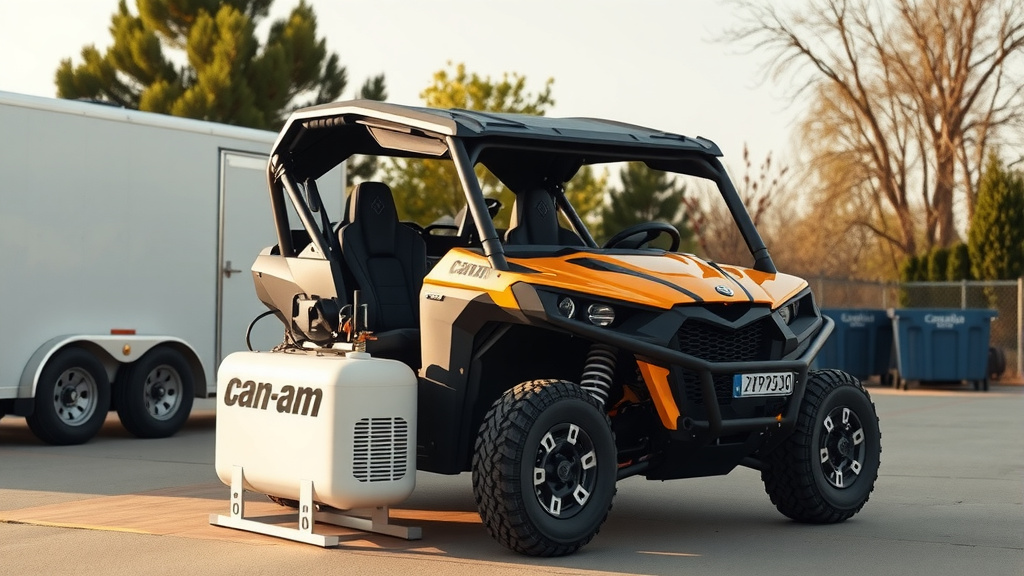
Having an air compressor for your Can Am Commander is absolutely possible and a highly recommended upgrade for off-road enthusiasts to handle tire pressure needs and other essential tasks on the trail.
It provides crucial peace of mind, allowing you to air up tires after adjusting pressure for different terrains or fix a slow leak, making your adventures safer and more enjoyable.
- An air compressor significantly boosts your Can Am Commander’s utility for off-road adventures.
- You can choose between portable 12V units or more permanent onboard installations.
- Key factors like CFM, duty cycle, and durability are important for optimal performance.
- Having onboard air allows for quick tire pressure adjustments, small repairs, and even cleaning.
- Proper installation and maintenance ensure your compressor lasts and performs reliably when you need it most.
Can Am Commander Air Compressor?
Yes, equipping your Can Am Commander with an air compressor is a smart move that many owners make, providing versatile utility for both routine maintenance and unexpected trailside needs. It’s like having a helpful friend always ready to lend a breath of air when you’re out exploring.
Why Would You Need an Air Compressor for Your Commander?
Imagine being deep on the trail and needing to adjust your tire pressure for a different type of terrain, or worse, finding a slow leak. A reliable air compressor turns these potential headaches into minor inconveniences. It gives you control over your ride’s performance and safety.
Tire Pressure Adjustments
Many off-road adventures require you to air down your tires for better traction on soft surfaces like sand or mud. Then, when you hit harder trails or pavement, you need to air them back up. An onboard air compressor makes this process quick and effortless, saving you time and hassle.
We found that adjusting tire pressure is one of the most common reasons Can Am Commander owners opt for an air compressor (off-road community discussions).
Powering Air Tools
While you won’t be running heavy pneumatic tools, a good 12V compressor can power smaller air tools. Think about impact wrenches for quick tire changes or an air hammer for stubborn bolts. This can be a lifesaver for trailside repairs, getting you back on track faster.
Quick Cleaning
Ever get mud or dust packed into your radiator or air filter? An air compressor can quickly blast away debris. This helps prevent overheating and keeps your engine breathing clean air. It’s a simple way to maintain your Commander’s health while you’re out on an adventure.
Choosing the Right Compressor for Your Can Am
When picking an air compressor for your Commander, you essentially have two main options: portable units or permanently installed onboard systems. Both have their pros and cons, and the best choice depends on your specific needs and how you use your UTV.
Portable 12V Compressors
These units are popular for their ease of use and versatility. You simply plug them into your Commander’s 12V outlet or directly to the battery. They are great for occasional use and can be moved between vehicles. However, they can take up cargo space and might not be as powerful as dedicated onboard systems.
Many experts say portable compressors are a great starting point for new UTV owners (automotive accessory reviews).
Onboard Air Compressor Systems
For those who use their Commander frequently for serious off-roading, an onboard system is often preferred. These are hard-mounted, wired directly, and typically offer higher performance and duty cycles. While installation requires more effort, the convenience of always having air readily available is a huge benefit.
Research often connects permanent setups with greater reliability and less setup time on the trail (UTV modification guides).
Key Features to Look For in a UTV Air Compressor
Not all air compressors are created equal. To ensure you get the best performance and value for your Can Am Commander, pay attention to these critical specifications. They are the backbone of a reliable air system.
- CFM (Cubic Feet per Minute) Output: This measures how fast the compressor can move air. For UTV tires, aim for at least 2.5-3 CFM at 0 PSI for reasonable inflation times. Higher CFM means quicker air-ups, which saves you valuable time on the trail.
- Duty Cycle: This indicates how long the compressor can run continuously before needing to cool down. A 100% duty cycle means it can run non-stop, perfect for multiple tires or longer tasks. Lower duty cycles (e.g., 30-50%) are fine for occasional use but require breaks.
- Maximum PSI: Ensure it can reach a pressure higher than your tires’ maximum. Most UTV tires don’t need extremely high PSI, but having a compressor that can go to 120-150 PSI offers good flexibility for other tasks or potential future needs.
- Durability and Weatherproofing: Your Commander sees tough conditions. Look for rugged construction, sealed components, and resistance to dust, water, and vibrations. A compressor that can withstand the elements will serve you better for longer.
- Power Source: Confirm it’s a 12V system compatible with your Commander’s electrical setup. Some models offer direct battery clamps, while others might integrate into a fuse block.
Installation Tips for an Onboard System
Installing a permanent air compressor requires some thought, but it’s a rewarding DIY project if you’re comfortable with basic wiring and tools. Proper installation ensures safety and peak performance. Always read the manufacturer’s specific instructions for your unit.
- Choose a Secure Location: Find a spot away from extreme heat, moisture, and potential impacts. Under a seat, in the cargo box, or a dedicated mounting plate are common areas. Ensure good airflow for cooling.
- Use Heavy Gauge Wiring: Compressors draw a lot of amperage. Use appropriately sized wiring (often 8-10 gauge) directly from the battery, protected by an inline fuse or circuit breaker. This prevents voltage drop and protects your electrical system.
- Add a Relay Switch: Wire the compressor through a relay, triggered by a dash-mounted switch. This protects your switch from high current draw and provides a clean electrical connection.
- Mount Securely: Vibrations on the trail can damage components. Use robust bolts and washers, possibly with rubber isolators, to firmly secure the compressor.
- Route Air Lines Carefully: Use high-quality air hose and fittings. Route lines away from hot exhaust components, sharp edges, and moving parts. Consider quick-disconnect fittings for convenience.
Maintaining Your Commander’s Air Compressor
Like any piece of equipment on your UTV, your air compressor needs a little love to keep it running smoothly. Basic maintenance can significantly extend its lifespan and ensure it’s ready when you need it. Think of it like taking care of your tires; a little prevention goes a long way.
Many manufacturers recommend checking fittings periodically for leaks (compressor owner manuals). Also, make sure to keep the air filter clean, as this helps prevent dust from getting into the compressor’s internals.
Comparing Portable vs. Onboard Air Compressors
Deciding between a portable and an onboard air compressor for your Can Am Commander involves weighing several factors. Here’s a simple comparison to help you choose the best fit for your adventures.
| Feature | Portable Air Compressor | Onboard Air Compressor |
|---|---|---|
| Cost | Generally lower upfront cost | Higher upfront cost, plus installation |
| Installation | Plug-and-play, very easy | Requires wiring and mounting; more involved |
| Performance | Good for occasional tasks, lower CFM/duty cycle | Typically higher CFM and duty cycle, designed for continuous use |
| Convenience | Can be used in other vehicles, but takes up cargo space | Always available, no setup time, dedicated air lines |
| Durability | Varies greatly by model; less protected from elements | Built for rugged use, often more weatherproof once installed |
Conclusion
Adding an air compressor to your Can Am Commander is a fantastic upgrade that genuinely enhances your off-road experience. Whether you opt for a convenient portable unit or a robust onboard system, the ability to manage your tire pressure, perform trailside repairs, and even keep things clean will make a significant difference. You’re investing in peace of mind and extending your capability far beyond the trailhead. Choose wisely, install carefully, and enjoy the freedom it brings!
FAQs
What size fuse do I need for a 12V air compressor on my UTV?
The fuse size depends on the amperage draw of your specific compressor. Always check the manufacturer’s recommendations, but many 12V UTV compressors require a 20-30 amp fuse. Using an inline fuse or circuit breaker close to the battery is a smart safety measure.
Can I use any air compressor for my Can Am Commander?
While you could theoretically use any air compressor, it’s best to choose one designed for 12V vehicle use with adequate CFM and duty cycle ratings. A small, cheap portable unit might take too long to inflate UTV tires or overheat quickly, which isn’t ideal for trailside needs.
Where is the best place to mount an onboard air compressor on a Can Am Commander?
Popular mounting locations include under a seat, behind the dash, or in a dry section of the cargo bed. The key is finding a spot that is protected from water and mud, allows for good airflow, and is away from excessive heat sources like the exhaust. Some custom brackets are available for specific models.
How long does it take to air up a UTV tire with a 12V compressor?
The time it takes varies widely based on the compressor’s CFM output and the tire size/starting pressure. A good UTV compressor (2.5+ CFM) might air up a typical 27-inch UTV tire from 5 PSI to 15 PSI in about 1-3 minutes. Lower CFM units will take significantly longer.
Do I need an air tank with my UTV air compressor?
For most UTV applications, an air tank isn’t strictly necessary, especially if you’re primarily airing up tires. Direct-drive compressors are often sufficient. However, an air tank can provide a quick burst of air for seating beads or running small air tools more efficiently, but it adds complexity and space requirements.
