
Can I Use An Air Compressor For Pressure Washing?
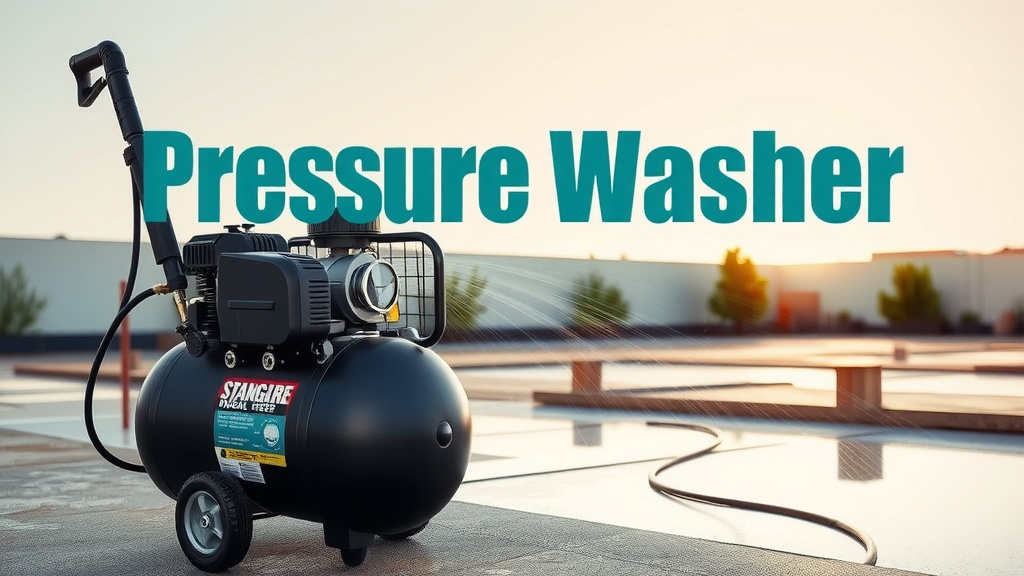
No, you cannot directly use an air compressor for pressure washing as they serve different primary functions. An air compressor generates high-pressure air, while a pressure washer uses a pump to create high-pressure water.
Attempting to force water through an air compressor could damage the unit or attachments, and will not produce the necessary water pressure for effective cleaning. These tools are built for distinct tasks.
- You cannot use an air compressor as a direct substitute for a pressure washer.
- Air compressors provide air power; pressure washers provide water power.
- Misusing an air compressor for washing can damage the equipment and won’t clean effectively.
- For real pressure washing, you need a dedicated pressure washer.
Can I Use An Air Compressor For Pressure Washing?
It’s a common question, and one we hear often: Can you use an air compressor for pressure washing? The quick answer is no, not in the way you might think. These machines are designed for very different jobs, even though both involve “pressure.”
Air Compressors vs. Pressure Washers: What’s the Real Difference?
Imagine trying to drive a nail with a screwdriver. Both are tools, but for completely different tasks. That’s a bit like comparing an air compressor to a pressure washer.
An air compressor takes ambient air and compresses it, storing it under high pressure. This stored air then powers various air tools, like nail guns, paint sprayers, or impact wrenches. Its output is air, not water.
A pressure washer, on the other hand, connects to a water source, typically a garden hose. It then uses a powerful pump to pressurize that water, forcing it out of a nozzle at extreme speeds. This high-velocity water is what blasts away dirt, grime, and mold.
The Power Source: Air vs. Water
The core distinction lies in what they pressurize. Air compressors are all about moving air to do work. Pressure washers are focused on moving water. Trying to push water through an air system is like asking a fish to climb a tree – it’s not what it’s built to do, and it won’t end well.
Pressure and Flow: Why PSI Matters
Both machines talk about PSI (pounds per square inch), but it means different things. An air compressor’s PSI indicates the force of the air it can deliver. A pressure washer’s PSI refers to the force of the water stream. While both are high, the medium they act upon is totally different.
Pressure washers also factor in GPM (gallons per minute), which is the water flow rate. This combination of high PSI and significant GPM is what gives pressure washers their cleaning power. An air compressor simply cannot replicate this.
Can an Air Compressor Help with Cleaning? (Indirectly, Maybe)
While you can’t use an air compressor *as* a pressure washer, it can still be a valuable tool in your cleaning arsenal. Think of it as a helpful sidekick, not the superhero itself.
For instance, an air blow gun attachment is perfect for clearing away loose debris, dust, or sawdust from surfaces before you even think about washing. It’s also great for drying surfaces quickly after a wash, preventing water spots.
We found that many people use their compressors for tasks like airing up tires on cleaning vehicles or powering air tools for related maintenance. But direct water blasting? That’s a definite no.
What About Air-Powered Pressure Washer Attachments?
You might encounter some spray guns or attachments that connect to an air compressor. These are generally for low-pressure chemical application or misting, not high-pressure cleaning. They use the air to atomize or propel a liquid, but they don’t generate the intense water pressure needed for true pressure washing. Think of them as a glorified spray bottle, not a dirt blaster.
The Dangers of Misusing Equipment
Using the wrong tool for the job can lead to problems. Trying to force water through your air compressor or its lines could cause corrosion, damage its internal components, or even lead to a safety hazard. Research often connects improper tool usage with significant equipment damage (OSHA guidelines on tool safety).
It’s also incredibly inefficient. You won’t achieve any meaningful cleaning power, and you’ll likely waste a lot of time and effort for no reward. Think of it like trying to mop a floor with a feather duster – a lot of movement, very little progress.
Why You Need the Right Tool for the Job
For optimal results and safety, always use the tool designed for the task. If you need to clean a dirty driveway, a grimy deck, or muddy siding, a pressure washer is your go-to. If you need to inflate tires, power pneumatic tools, or blow dust, then your air compressor is ready for action.
What to Look for in a Real Pressure Washer
So, if an air compressor isn’t the answer, what should you look for in a pressure washer? Here’s a brief guide:
- PSI Rating: For most home tasks, 1500-2500 PSI is plenty. For heavy-duty jobs, you might go higher.
- GPM Rating: Higher GPM means faster cleaning. Aim for at least 1.4 GPM for good performance.
- Engine Type: Electric pressure washers are quieter, lighter, and better for smaller jobs. Gas models offer more power and portability for bigger tasks.
- Nozzle Options: Look for a machine that comes with multiple nozzle tips (0-degree, 15-degree, 25-degree, 40-degree, soap nozzle) to adapt to different cleaning needs.
Essential Features for Your Pressure Washer
When you’re ready to invest in a real pressure washer, keep these points in mind for a smooth experience:
- A sturdy frame with wheels for easy movement.
- Onboard storage for nozzles and accessories.
- A detergent tank for applying soap.
- A comfortable spray gun with a safety lock.
- An adequate length of high-pressure hose.
Common Cleaning Tasks and the Right Tools
Let’s consider some typical cleaning jobs and confirm the best tool:
Dirty Driveway or Patio: Definitely a pressure washer. The high-pressure water stream will lift years of embedded grime.
Grubby Outdoor Furniture: A pressure washer with a wider-angle nozzle or lower PSI setting. Be careful not to damage softer materials.
Clogged Gutters with Leaves: An air compressor with a blow gun can clear dry leaves. For wet, stuck-on debris, a pressure washer with a gutter cleaning attachment is better.
Dusty Workshop Floor: An air compressor with a blow gun makes quick work of sawdust and light debris. For truly ingrained dirt, a good broom or shop vac comes first.
Beyond Pressure Washing: Other Air Compressor Uses
Don’t underestimate your air compressor, even if it can’t pressure wash. It’s a powerhouse for many other applications:
- Inflating tires, sports equipment, and air mattresses.
- Powering pneumatic tools like nail guns, sanders, and grinders.
- Spraying paint or sealants with an air sprayer.
- Cleaning engine bays or delicate electronics with controlled air bursts.
| Feature | Air Compressor | Pressure Washer |
|---|---|---|
| Primary Function | Compresses air for tools | Pressurizes water for cleaning |
| Output Medium | High-pressure air | High-pressure water |
| Typical Uses | Nail guns, painting, tire inflation | Driveway cleaning, deck washing, vehicle cleaning |
| Safety Concerns | Noise, flying debris, hose whip | High-velocity water stream, electrical shock |
| Effectiveness for Washing | Very low (only for light debris removal or drying) | High (blasts dirt and grime) |
Conclusion
While both air compressors and pressure washers are valuable tools that operate with pressure, they are fundamentally different machines designed for distinct purposes. You cannot use an air compressor to pressure wash effectively or safely. Trying to do so risks damaging your equipment and will leave you with a disappointing result. For powerful, efficient cleaning of surfaces with high-pressure water, a dedicated pressure washer is the only real solution. Your air compressor is a champion for air-powered tasks; let it shine in its own role!
Can I attach a garden hose directly to an air compressor?
No, you should never connect a garden hose directly to an air compressor. An air compressor’s system is built for air, not water. Introducing water could cause severe internal damage, corrosion, and pose a significant safety risk from bursting lines or electrical hazards.
What is the main difference in how an air compressor and pressure washer generate force?
An air compressor generates force by compressing ambient air into a smaller volume, storing that potential energy, and releasing it to power tools. A pressure washer, however, uses a pump to draw water from a source and accelerate it through a small nozzle, converting mechanical energy into kinetic energy in the water stream.
Is there any tool that combines the functions of both an air compressor and a pressure washer?
Not effectively as a single, combined unit for both core functions. While some multi-tools might offer various functions, a device that performs both air compression for tools and high-pressure water washing with equal capability is not a standard or efficient offering. It’s always best to use separate, dedicated machines for each task.
Can I use an air compressor to dry a surface after pressure washing?
Yes, an air compressor can be very effective for drying surfaces after pressure washing. Using an air blow gun attachment, you can quickly remove standing water, especially from intricate areas or to prevent water spots on vehicles or windows. This is one of the practical, indirect uses of an air compressor in a cleaning process.
What are the safety risks of trying to pressure wash with an air compressor?
Attempting to pressure wash with an air compressor carries several safety risks, including potential damage to the compressor itself, bursting air lines or attachments not rated for water pressure, and the risk of electrical shock if water comes into contact with electrical components. It will also fail to clean anything effectively, which is a waste of time.
