What Is Single Stage And Two Stage Air Compressor?
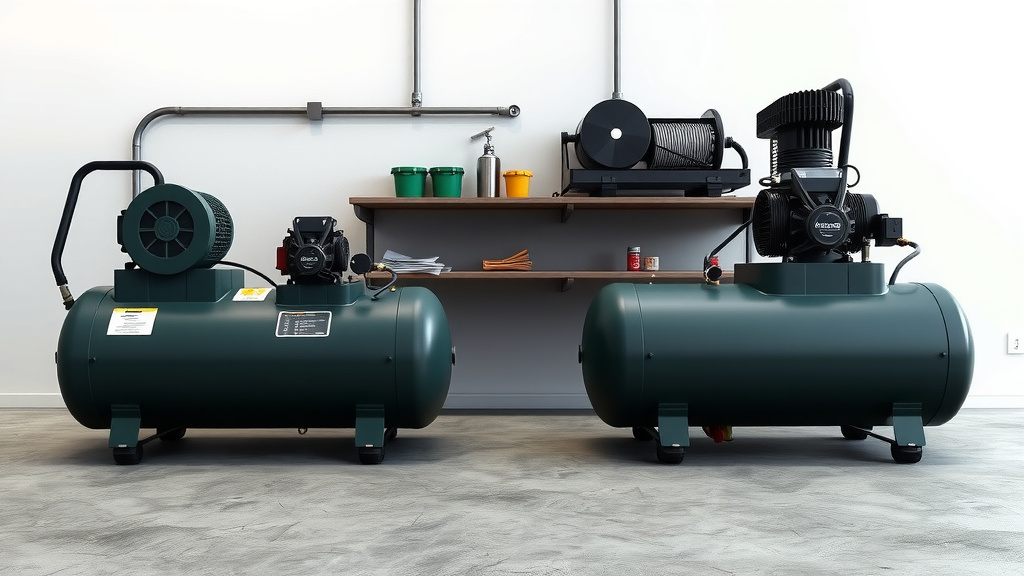
A single-stage air compressor compresses air once to reach its final pressure, while a two-stage air compressor compresses air twice for higher output pressure and improved efficiency.
Understanding what is single stage and two stage air compressor technology helps you select the perfect tool for your workshop or job site.
- Single-stage air compressors compress air in one stroke, delivering moderate pressure.
- Two-stage air compressors compress air twice, achieving much higher pressures and greater output.
- Two-stage models often run cooler and last longer due to their design.
- Your choice depends on your specific pressure needs, duty cycle, and budget.
What Is Single Stage And Two Stage Air Compressor?
A single-stage air compressor takes in air and compresses it once to reach its operating pressure. In contrast, a two-stage air compressor compresses the same air twice, achieving a higher pressure and often more consistent output.
Understanding Single-Stage Air Compressors
Imagine pumping up a bicycle tire with a simple hand pump. That’s a bit like a single-stage air compressor. Air enters a cylinder, a piston moves to compress it, and then the air goes straight to your tank.
These compressors are straightforward and efficient for many basic tasks. They get the job done without extra steps.
How They Work
In a single-stage unit, air goes into a single piston cylinder. The piston then pushes up, compressing the air in one shot. This compressed air then moves into the storage tank, ready for use. It’s a simple, direct process.
Typical Uses for Single-Stage Compressors
Single-stage compressors are ideal for home garages and light-duty projects. Think about tasks like inflating tires, powering small nail guns, or using air tools for quick jobs. We found these units are perfect for intermittent use (Power Tool Institute).
Understanding Two-Stage Air Compressors
Now, picture a two-stage compressor as a more robust solution, like a car engine with multiple cylinders working together. It takes the air compression process a step further, making it more powerful.
These units are designed for demanding applications where higher pressure and consistent output are a must.
How They Work
Air first enters a larger low-pressure cylinder. Here, it gets compressed a bit. This partially compressed air then moves through an intercooler, which cools it down. Cooling the air increases its density, making the next stage more efficient. Finally, the cooled air enters a smaller high-pressure cylinder, where it’s compressed a second time to its final, much higher pressure before going into the tank.
Why Two Stages Matter
The two-stage approach offers significant benefits. By compressing the air twice and cooling it in between, the compressor can achieve higher pressures more efficiently. This also means the components work under less strain, which often leads to a longer lifespan. Many experts say this design makes them much more durable for industrial use.
Key Differences Between Single-Stage and Two-Stage
Let’s break down the core distinctions so you can see them side-by-side. It’s like comparing a compact car to a heavy-duty truck; both move, but they’re built for different journeys.
| Feature | Single-Stage Compressor | Two-Stage Compressor |
|---|---|---|
| Compression Cycles | One cycle | Two cycles |
| Maximum PSI | Up to 135 PSI (typically) | 175 PSI and higher (typically) |
| Heat Generation | Higher heat per compression | Lower internal heat due to intercooler |
| Efficiency | Good for intermittent use | More efficient for continuous, high-demand use |
| Lifespan | Good for lighter duty cycles | Longer for heavy-duty, continuous operation |
| Cost | Generally lower upfront cost | Higher upfront cost |
Pros and Cons: Weighing Your Options
Each type of compressor has its own strengths and weaknesses. Knowing these can help you avoid buyer’s remorse.
Advantages of Single-Stage Compressors
- Lower Cost: They are typically less expensive to purchase.
- Portability: Often lighter and more compact, making them easier to move.
- Simplicity: Fewer moving parts can mean simpler maintenance.
- Good for Light Tasks: Ideal for home workshops and casual use.
Disadvantages of Single-Stage Compressors
- Lower PSI: They don’t generate as much pressure.
- Shorter Duty Cycles: Not designed for continuous heavy use.
- More Heat: Can run hotter during prolonged operation, shortening component life.
Advantages of Two-Stage Compressors
- Higher PSI: Can power larger, more demanding air tools.
- Improved Efficiency: The intercooler reduces heat, making compression more efficient.
- Longer Lifespan: Reduced heat and strain contribute to greater durability.
- Consistent Output: Better for continuous industrial or professional applications.
Disadvantages of Two-Stage Compressors
- Higher Cost: A bigger initial investment is usually required.
- Less Portable: Tend to be larger and heavier.
- More Complex: More components mean potentially more involved maintenance.
When to Choose Which Type of Compressor
Choosing the right air compressor can feel daunting. Here’s a simple checklist to guide your decision based on your needs.
Consider these points before making your purchase:
- For light-duty tasks: Are you mainly inflating tires, blowing dust, or using a small brad nailer? A single-stage might be enough.
- For heavy-duty jobs: Do you need to run impact wrenches, sandblasters, or paint sprayers constantly? Two-stage is the way to go.
- Your budget: How much are you willing to invest upfront? Single-stage units are friendlier on the wallet.
- Frequency of use: Will you use it for short bursts, or for hours on end every day? Continuous use points to a two-stage.
- Required PSI: Check the PSI requirements of your most demanding air tools. This is a critical factor.
- Space and portability: Do you need to move your compressor around, or will it stay put in one spot?
Maintenance and Longevity Insights
Regardless of which compressor you choose, proper maintenance extends its life. We found that regular oil changes, filter cleaning, and checking for leaks are vital steps for both types. Many manufacturers provide detailed maintenance schedules for optimal performance.
Impact of Heat on Performance
Heat is the enemy of any mechanical system. Single-stage compressors, especially when pushed, can generate more heat, which can lead to faster wear. The intercooler in two-stage units helps manage this, contributing to their extended component life (Pneumatic & Hydraulic Association research).
Efficiency and Operating Costs
While a single-stage unit might be cheaper initially, consider the long-term. Two-stage compressors, with their more efficient compression cycle, can sometimes lead to lower operating costs over time for constant, heavy use. They achieve more work per unit of energy, especially at higher pressures.
Conclusion
Deciding between a single-stage and two-stage air compressor truly boils down to your specific needs and how you plan to use it. If you need a reliable machine for occasional, lighter tasks around the house or garage, a single-stage unit offers great value.
However, if your projects demand higher pressure, continuous operation, and maximum efficiency for professional or industrial applications, investing in a two-stage compressor is the smarter choice. Take a moment to assess your tools, your workflow, and your budget. You’ll find the perfect air compression partner for your endeavors.
Frequently Asked Questions About Air Compressors
What PSI can a single-stage air compressor typically achieve?
Most single-stage air compressors can achieve pressures up to around 135 PSI. This is generally sufficient for common tasks like inflating tires, operating small nail guns, and light painting jobs.
Are two-stage compressors always more expensive?
Yes, two-stage air compressors typically have a higher upfront cost than single-stage models. Their more complex design, additional components like intercoolers, and enhanced capabilities contribute to this higher price point.
Can I use a single-stage compressor for continuous professional work?
While you can use a single-stage compressor for professional tasks, it’s not designed for continuous, heavy-duty operation. Pushing it constantly will lead to overheating, reduced efficiency, and a shorter lifespan. For continuous professional work, a two-stage unit is better.
How does an intercooler improve a two-stage compressor’s performance?
The intercooler cools the air after its first compression stage. Cooler air is denser, meaning more air molecules can be compressed in the second stage. This makes the second compression more efficient, reduces strain on components, and helps achieve higher final pressures.
Which type of compressor is better for automotive repair shops?
For most automotive repair shops, a two-stage air compressor is the better choice. Auto shops often require high PSI for impact wrenches, tire changers, and paint guns, and they typically need continuous air supply, which two-stage compressors deliver more efficiently and reliably.