
What Is Wrong With My Air Compressor?
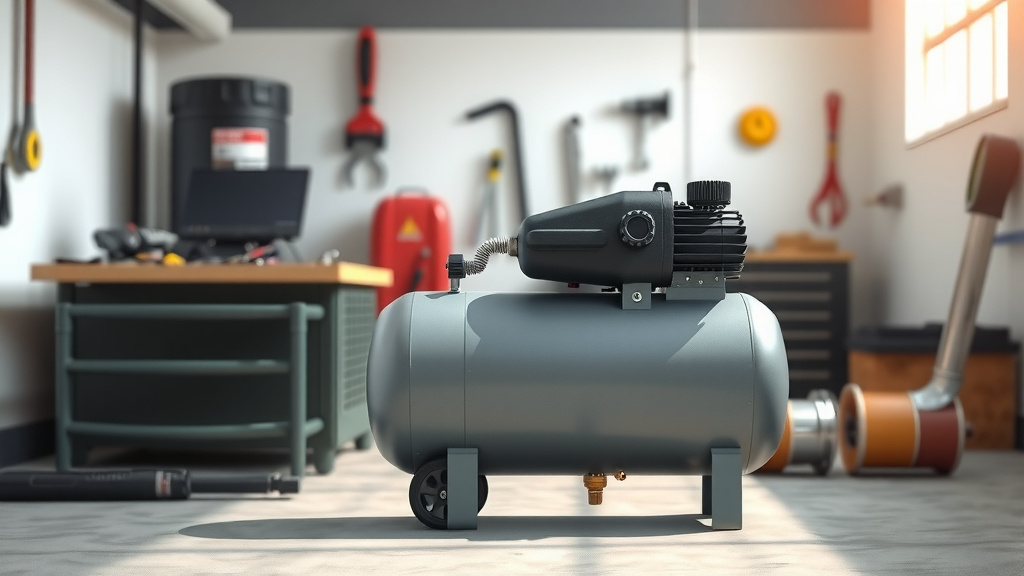
If your air compressor isn’t working right, you might be facing issues like power problems, air leaks, or a failure to build pressure. Diagnosing the problem quickly helps you get back to work.
Troubleshooting your air compressor involves checking basic components, from power sources to air filters and valves. Simple checks often reveal the root cause of common malfunctions.
- TL;DR: Air compressor problems often stem from power issues, air leaks, or pressure failures.
- Start by checking power, pressure settings, and for any audible air leaks.
- Loud noises can mean motor issues or loose parts; overheating signals poor ventilation or low oil.
- Fixing minor issues yourself saves time, but complex repairs might need a pro.
- Regular maintenance, like draining condensation and checking oil, prevents most problems.
What Is Wrong With My Air Compressor?
Many things can stop your air compressor from working properly, often relating to power, air pressure, or leaks. You can often pinpoint the problem with some basic checks.
No Power or Not Starting Up?
Imagine hitting the switch and nothing happens. Frustrating, isn’t it? This is a common starting point for many air compressor woes. The machine just sits there, silent.
Checking Your Power Source
First, confirm your compressor is plugged in. Is the outlet working? Try plugging in another device. We found that a simple tripped breaker often stops a unit from turning on (Electrical Safety Foundation International).
Next, check the power cord for any visible damage. A frayed cord is not only a problem but also a safety hazard. Ensure all connections are secure and clean.
Thermal Overload Protector
Your compressor has a safety feature called a thermal overload protector. If the motor gets too hot, this button will pop out. Press it back in after the unit cools down. Sometimes, overheating occurs if you run the compressor too long or if it lacks proper ventilation.
Is Your Air Compressor Leaking Air?
A persistent hiss is like money flying out of your wallet. Air leaks reduce efficiency and make your compressor work harder. They waste energy and shorten your equipment’s lifespan.
Finding the Leaks
You can often hear larger leaks. For smaller ones, use a soapy water solution. Spray it on connections, hoses, and fittings. Bubbles will form where air is escaping. It’s like a tiny treasure hunt for air leaks.
Common leak spots include tank fittings, drain valves, pressure switches, and hose connections. Tighten loose fittings or replace old seals. We often see worn O-rings as a primary source of leaks.
Not Building Pressure or Slow Pressure Build?
You need pressure to power your tools. If your compressor struggles to reach its target PSI, or if it builds pressure slowly, something is amiss. This issue directly affects your workflow and tool performance.
Examining the Intake Filter
A dirty air intake filter restricts airflow, making your compressor gasp for air. It’s like trying to run with a hand over your mouth. Clean or replace the filter regularly for optimal air intake.
Many experts say checking this filter is a first step in troubleshooting pressure issues. A clean filter helps your compressor “breathe” easily and build pressure efficiently.
Checking for Check Valve Issues
The check valve prevents air from flowing back into the pump from the tank. If it’s faulty, air can escape, causing a pressure drop. We found that a sticking check valve can keep the motor running constantly without building enough pressure.
Listen for air escaping back towards the pump when the compressor shuts off. If you hear a hiss, the check valve might need cleaning or replacing. This component is key for pressure retention.
Pressure Switch Adjustment
Your pressure switch controls when the compressor starts and stops. If it’s set too low, or if it’s malfunctioning, it won’t allow the tank to fill to capacity. Consult your manual for correct pressure settings.
Loud or Unusual Noises?
Compressors make noise, but a sudden change in sound is a red flag. Grinding, banging, or excessive vibrations are never normal. They signal that internal parts might be wearing out.
Motor or Pump Problems
A grinding noise could point to issues within the motor or pump. Low oil levels in lubricated compressors can cause parts to rub together, creating friction and noise. Ensure your oil levels are correct.
A banging sound might mean loose components inside the pump or motor. Turn off the unit immediately and inspect it. Loose bolts or worn bearings can lead to severe damage if ignored.
Vibration Issues
Excessive vibration can be caused by loose mounting bolts or a worn fan blade. Check that your compressor is sitting on a stable, level surface. Tighten any bolts you find loose to reduce excessive movement.
Is Your Compressor Overheating?
An overheating compressor is a sign of stress. This can shorten its life and even cause breakdowns. You might notice the motor feels hot to the touch or the thermal overload tripping frequently.
Ventilation and Location
Ensure your compressor has plenty of clear space around it for airflow. Restricting ventilation makes the unit work harder to cool itself. Avoid placing it in tight, enclosed spaces.
Operating in a hot environment can also cause overheating. Think about moving the unit to a cooler area or using supplemental cooling if possible. Keeping it cool is essential for longevity.
Low Oil Levels or Wrong Oil Type
For oil-lubricated compressors, low oil causes increased friction and heat. Always check the oil level before use. Using the wrong type of oil can also lead to overheating and poor performance (National Institute for Occupational Safety and Health).
Excessive Moisture in the Air Tank?
Water in your air tank can lead to rust and damage your tools. Air compressors naturally condense moisture, but too much indicates a problem with maintenance.
Draining the Tank Regularly
The simplest solution is to drain your tank daily, or after each use. The drain valve at the bottom of the tank releases condensed water. Skipping this step is a common oversight.
If you live in a humid climate, draining becomes even more important. We found that regular draining prevents rust inside the tank, protecting both the compressor and your tools.
A Quick Troubleshooting Checklist
When your air compressor acts up, try these simple checks first:
- Is the unit plugged in and power switch on?
- Are there any visible air leaks you can hear or feel?
- Is the air intake filter clean and free of debris?
- Have you checked and reset the thermal overload button?
- Are oil levels correct (for oil-lubricated models)?
- Is the tank drain valve closed and not leaking?
When to Call a Professional
Sometimes, DIY fixes won’t cut it. If you suspect internal pump damage, motor failure, or complex electrical issues, it’s wise to call an expert. A professional can diagnose and repair safely.
Attempting repairs beyond your skill level can lead to further damage or injury. Don’t hesitate to seek help when the problem seems too big. Your safety and your equipment’s health come first.
| Problem | Possible Causes | Quick Fix |
|---|---|---|
| No Power | Tripped breaker, loose plug, damaged cord | Check outlet, reset breaker, secure plug |
| Air Leaks | Loose fittings, worn seals, faulty drain valve | Tighten connections, apply soapy water to find |
| Low Pressure | Dirty air filter, bad check valve, pressure switch issue | Clean filter, inspect check valve, adjust switch |
| Loud Noises | Low oil, loose parts, worn bearings | Check oil, tighten bolts, professional inspection |
| Overheating | Poor ventilation, low oil, prolonged use | Improve airflow, check oil, allow cool-down |
Conclusion
Troubleshooting your air compressor doesn’t have to be a mystery. Most problems have straightforward solutions. By methodically checking common culprits like power, leaks, and filters, you can often get your unit running smoothly again.
Regular maintenance is your best defense against unexpected breakdowns. A little attention now saves you a lot of frustration later. Keep your tools powered and your projects on track!
What causes an air compressor to lose power while running?
An air compressor losing power while running often points to a tripped thermal overload switch due to overheating, an electrical issue with the power supply, or a fault within the motor itself. Always check for proper ventilation first.
How do I know if my air compressor’s check valve is bad?
You can suspect a bad check valve if air hisses from the unloader tube for a prolonged period after the compressor shuts off, or if the motor constantly cycles on and off without building full pressure. This indicates air returning to the pump.
Can a dirty air filter affect my air compressor’s performance?
Absolutely. A dirty air filter severely restricts the airflow into your compressor. This forces the motor to work harder, reduces efficiency, lowers the tank’s pressure-building capability, and can even cause overheating.
Why is my air compressor making a rattling noise?
A rattling noise from your air compressor could be due to loose bolts or fasteners on the motor, pump, or shroud. It might also indicate worn-out bearings, a damaged fan blade, or loose components inside the motor or pump assembly. It is best to turn off the unit and inspect.
How often should I drain the condensation from my air compressor tank?
Most experts recommend draining condensation from your air compressor tank after every use or at least daily. This simple step prevents rust inside the tank, which preserves your compressor’s life and prevents water damage to your air tools.
