
How Truck Air Compressor Works?
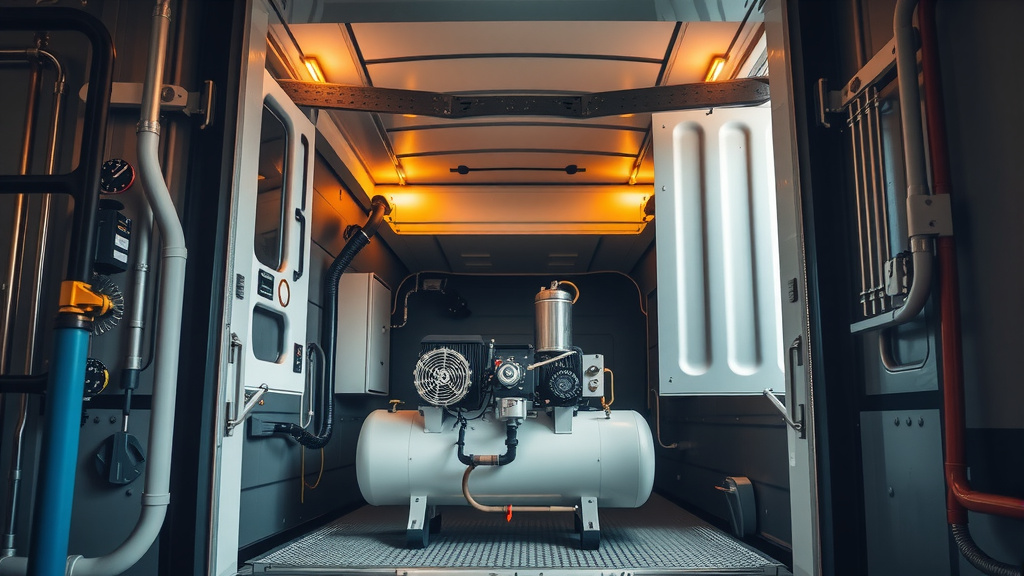
A truck air compressor works by drawing in ambient air, compressing it to a higher pressure, and then storing it in a reservoir tank. This compressed air powers essential systems like air brakes, air suspension, and auxiliary tools on commercial vehicles.
This vital component ensures your heavy-duty truck can stop safely, maintain ride height, and operate various air-powered accessories smoothly and reliably.
- A truck air compressor is the heart of your truck’s air systems, providing compressed air.
- It pressurizes air from the atmosphere and stores it in a tank for later use.
- This air powers critical functions like brakes, suspension, and even tire inflation.
- Regular maintenance is key to keeping this essential component working correctly and safely.
- Understanding its function helps you ensure road safety and operational efficiency.
How Truck Air Compressor Works?
A truck air compressor operates by taking in atmospheric air, compressing it into a much smaller volume, and then delivering this high-pressure air to a storage tank. This stored energy is crucial for many vital truck functions.
Why Does Your Truck Need Compressed Air?
Have you ever wondered what makes those big rigs stop so smoothly? Or how they manage to carry such heavy loads without a bumpy ride? The answer often comes down to compressed air. It’s not just a luxury; it’s a necessity.
Safety First: Air Brakes
The most important job for your truck’s air compressor is powering the air brake system. Without enough compressed air, your truck simply cannot stop safely. Many experts say that proper air brake function is non-negotiable for commercial vehicle safety (NHTSA).
Smooth Ride: Air Suspension
Compressed air also plays a role in your truck’s suspension system. Air springs use this air to adjust ride height and absorb road shocks. This means a smoother journey for your cargo and a more comfortable ride for you.
Powering Accessories
Beyond brakes and suspension, compressed air can power various auxiliary tools. Think about pneumatic tools used for repairs, tire inflation systems, or even air horns. It’s a versatile energy source for the demanding trucking life.
Key Components of a Truck Air Compressor System
Understanding how the truck air compressor works means knowing its main parts. Each piece plays a critical role in producing and managing compressed air. Let’s look at the stars of the show.
The Compressor Unit Itself
This is the engine of the system, literally. It’s often a piston-driven pump connected to the truck’s engine. It pulls in air and squeezes it tight, getting it ready for action. We found that compressor efficiency directly impacts system performance.
The Air Dryer’s Role
After compression, the air has moisture in it. This moisture can cause rust and damage components. The air dryer removes water vapor before the air reaches the tanks. Many experts agree that a functioning air dryer protects your entire system.
Air Tanks (Reservoirs)
These sturdy tanks hold the compressed air until it’s needed. Think of them as battery packs for air. They keep a steady supply ready for your brakes, suspension, or any other air-powered system. They are built to withstand high pressures for safety.
The Unloader Valve Explained
This clever valve regulates the pressure in the system. Once the air tanks reach a set pressure, the unloader valve tells the compressor to stop compressing air. It helps prevent over-pressurization and reduces strain on the compressor when not needed.
The Step-by-Step Air Compression Process
The journey of air through your truck’s compressor system is quite fascinating. It’s a series of well-timed steps that ensure you have consistent air pressure whenever you need it. Let’s break it down simply.
Inlet: Breathing In Air
First, the compressor draws in air from the surrounding atmosphere. This air usually passes through an air filter, much like your engine’s air intake. This keeps dirt and particles out of the system.
Compression: Squeezing It Tight
Inside the compressor, pistons move rapidly to squeeze this air into a smaller volume. This action significantly increases the air’s pressure and temperature. It’s like packing a lot into a tiny box.
Discharge: Sending It Out
Once compressed, this high-pressure air is then pushed out of the compressor. It travels through lines, usually heading towards the air dryer next. This expulsion is a continuous flow during operation.
Storage: Ready for Action
Finally, the dried, compressed air fills the air tanks. Here, it waits until you press the brake pedal or the air suspension needs an adjustment. It’s like having an on-demand power reserve always ready.
Common Truck Air Compressor Types
While the basic function is similar, truck air compressors come in a few common types. Knowing the differences can help you understand your truck better. We found that maintenance needs can vary by type.
| Compressor Type | Description | Common Use |
|---|---|---|
| Reciprocating (Piston) | Uses pistons to compress air in cylinders. | Most common for general truck applications. |
| Rotary Screw | Two rotating screws trap and compress air. | Often used in larger trucks needing constant, high-volume air. |
| Vane Compressor | A rotor with sliding vanes compresses air. | Less common for primary truck systems, sometimes auxiliary. |
Maintaining Your Truck Air Compressor
Just like any part of your truck, the air compressor needs regular care. Keeping it in good shape prevents breakdowns and ensures safety. A little preventive effort goes a long way, don’t you agree?
- Check air filter regularly for dirt or clogs.
- Drain air tanks daily to remove moisture.
- Inspect air lines and fittings for leaks.
- Monitor air dryer for proper function and desiccant replacement.
- Listen for unusual noises from the compressor.
- Follow your truck’s specific maintenance schedule.
Why Regular Checks Matter
Skipping maintenance can lead to big problems down the road. A failing compressor can impact your brakes, creating a dangerous situation. Regular checks mean you catch small issues before they become costly repairs or safety hazards (ATA).
Signs of an Air Compressor Problem
How do you know if your air compressor is acting up? Your truck often gives you clues. Paying attention to these signs can help you address issues quickly and keep safe. It’s about being proactive on the road.
Look for things like air pressure dropping too quickly, or the compressor running constantly. Unusual noises, like grinding or squealing, also point to trouble. A moisture warning light on your dash is another clear indicator.
Troubleshooting Basic Air Compressor Issues
If you notice a problem, you can often do some initial checks yourself. Remember, always consult a professional for complex repairs. However, some basic steps can help identify the root cause.
- If pressure drops: Check for visible air leaks in lines and fittings.
- If compressor runs constantly: Ensure the unloader valve is functioning correctly.
- If air dryer seems off: Check its filter and ensure the desiccant is still effective.
- If abnormal noise: Inspect belts and pulleys for wear or looseness.
Conclusion
The truck air compressor is a truly unsung hero of heavy-duty vehicles. It’s responsible for the critical functions that ensure your safety, comfort, and operational efficiency on the road. Understanding how it works, its components, and how to care for it helps you maintain a reliable and safe truck. By paying attention to maintenance and warning signs, you’re not just caring for a machine; you’re investing in peace of mind.
How frequently should I drain my truck’s air tanks?
You should drain your truck’s air tanks daily. This practice removes any moisture that has accumulated, preventing rust and system damage, which is crucial for long-term reliability.
Can a failing air compressor affect my truck’s fuel economy?
Yes, a failing air compressor can negatively impact fuel economy. If the compressor has to work harder or run more often to maintain pressure, it draws more power from the engine, using more fuel.
What is the purpose of the air governor on a truck air compressor system?
The air governor works with the unloader valve. It signals the compressor when to start and stop compressing air, maintaining the system’s air pressure within a specific operating range for optimal performance.
Is it normal to hear a “hissing” sound from the air system?
A slight hiss when the compressor cycles off and the unloader valve purges air is normal. However, a continuous hissing sound usually indicates an air leak in lines or fittings, which requires immediate attention.
How does extreme cold weather affect a truck air compressor?
Extreme cold can make a truck air compressor work harder. Moisture in the system can freeze, potentially damaging components or blocking air lines. Proper air dryer function and regular tank draining are even more critical in cold conditions.
