
Can You Leave an Air Compressor Plugged In?
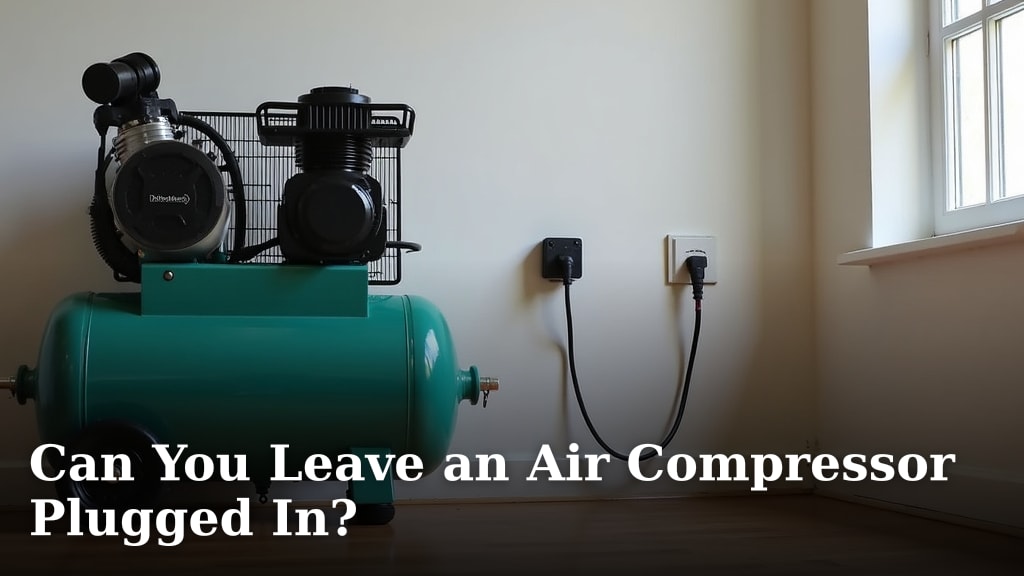
Yes, you can leave an air compressor plugged in, but it’s generally not recommended for long periods without supervision. While many compressors have automatic shut-off features, leaving them constantly connected can lead to potential issues like pressure buildup or component wear.
Understanding how your specific air compressor operates is key. Some models are designed for continuous power, while others might experience premature wear on their internal parts if left plugged in indefinitely. It’s wise to be aware of the risks involved, especially with older or simpler models that may lack advanced safety mechanisms.
- Leaving an air compressor plugged in is possible, but not always best.
- Automatic shut-offs help, but don’t guarantee safety long-term.
- Consider your compressor’s specific model and features.
- Constant power can sometimes lead to component wear.
- Supervision is recommended when it’s plugged in.
Let’s dive into the specifics of why and when you might want to keep that cord unplugged.
Understanding Your Air Compressor’s Power Connection
So, can you leave an air compressor plugged in? The short answer is yes, you can, but it comes with a few important considerations. Think of it like leaving your car running in the driveway; it’s possible, but maybe not the smartest long-term strategy. Many modern compressors have built-in features that make this more feasible. However, older or simpler models might not have these safeguards. We’ll break down what you need to know to make the best decision for your specific setup.
The Role of Automatic Shut-Off Features
A key factor in deciding whether to leave your compressor plugged in is its automatic shut-off capability. Most newer air compressors are equipped with a pressure switch. This switch monitors the air pressure inside the tank. When the pressure reaches a predetermined maximum, the switch signals the motor to stop. Conversely, when the pressure drops below a certain level, it restarts the motor to maintain pressure.
How Automatic Shut-Off Works
Imagine your compressor’s tank as a balloon. The pressure switch is like a vigilant guardian. It keeps an eye on how much air is inside. Once the “balloon” is sufficiently full (reaching the upper pressure limit), it tells the motor, “Okay, you can take a break now.” Later, if some air escapes or you use it, the pressure drops. The guardian then signals the motor, “Time to get back to work!” This cycle helps maintain a consistent pressure without constant human oversight.
Limitations of Automatic Shut-Off
While these systems are incredibly useful, they aren’t foolproof for every situation. These automatic systems are designed to manage pressure during normal operation. They might not account for unexpected leaks or power surges. If there’s a small, slow leak somewhere in your system, the compressor might cycle on and off more frequently. This constant starting and stopping can put extra wear on the motor and other components over time. It’s like a tiny drip in a faucet; it might not seem like much, but over months, it adds up.
Potential Risks of Leaving it Plugged In
Leaving any electrical appliance plugged in when not in active use always carries some level of risk. Air compressors are no different. You might encounter a few potential issues if you decide to leave yours connected to power indefinitely. Understanding these risks can help you decide if unplugging it is the safer bet.
Over-Pressurization Concerns
While automatic shut-off is designed to prevent this, extremely rare circumstances could lead to over-pressurization. For example, a faulty pressure switch or a power surge that causes the motor to restart unexpectedly could theoretically push pressure beyond the tank’s safety limits. Most modern tanks have a safety relief valve designed to vent excess pressure. However, relying solely on this as a primary safety measure is not ideal. It’s better to have the switch functioning correctly and monitor the pressure gauge periodically.
Component Wear and Tear
This is perhaps the most common concern cited by experts. When a compressor is constantly plugged in, especially if it has minor leaks, it can lead to frequent cycling. Think about your car: would you leave it idling for hours every day? Probably not. Each time the motor starts, it uses more energy and puts a slight strain on the starter motor, belts, and other moving parts. Over months or years, this constant activity can contribute to premature wear. We found that many manufacturers recommend unplugging when not in use to maximize the lifespan of the unit.
Moisture Buildup and Corrosion
Air compressors work by compressing air, and one of the byproducts of this process is moisture. As warm, moist air is compressed and then cools inside the tank, water droplets form. If you leave a compressor plugged in, it might cycle on and off, continuing to push moisture into the tank. Over time, this water can accumulate at the bottom of the tank, leading to rust and corrosion. This corrosion can weaken the tank’s structure and can also contaminate the compressed air you use. Many tank designs include a drain valve at the bottom to release this water, but if the compressor is frequently cycling, you might not get a chance to drain it effectively.
Energy Consumption
Even when not actively compressing air, a compressor plugged into the wall draws a small amount of power. This is often referred to as “phantom load” or “standby power.” While the amount is usually minimal for a single air compressor, it can add up if you have multiple devices constantly plugged in. If your goal is to be more energy-efficient, unplugging your air compressor when you’re done using it is a simple way to conserve a small amount of electricity. For most homeowners, this is a minor concern, but it’s worth noting.
When It’s Generally Okay to Leave it Plugged In
There are specific scenarios where leaving your air compressor plugged in might be acceptable, often due to the design of the unit or the immediate need for air. Always consider the balance between convenience and potential wear.
Modern Compressors with Advanced Controls
Some high-end or industrial-grade compressors are built with very sophisticated control systems. These might include intelligent power management features that minimize wear even with continuous power. They might monitor ambient temperature, humidity, and usage patterns to optimize operation. If your compressor manual explicitly states it’s designed for continuous power and has these advanced features, you might have more flexibility. Always consult your owner’s manual first.
Temporary, Immediate Need Scenarios
If you know you’ll be using your air compressor intermittently throughout the day for a specific project, leaving it plugged in for a few hours might be fine. For instance, if you’re painting a room and need to use the compressor every 30 minutes to an hour, unplugging and replugging it each time would be inconvenient. In such cases, ensuring the pressure switch is functioning properly and keeping an eye on the pressure gauge is a reasonable approach. The key here is active supervision during the period it’s plugged in.
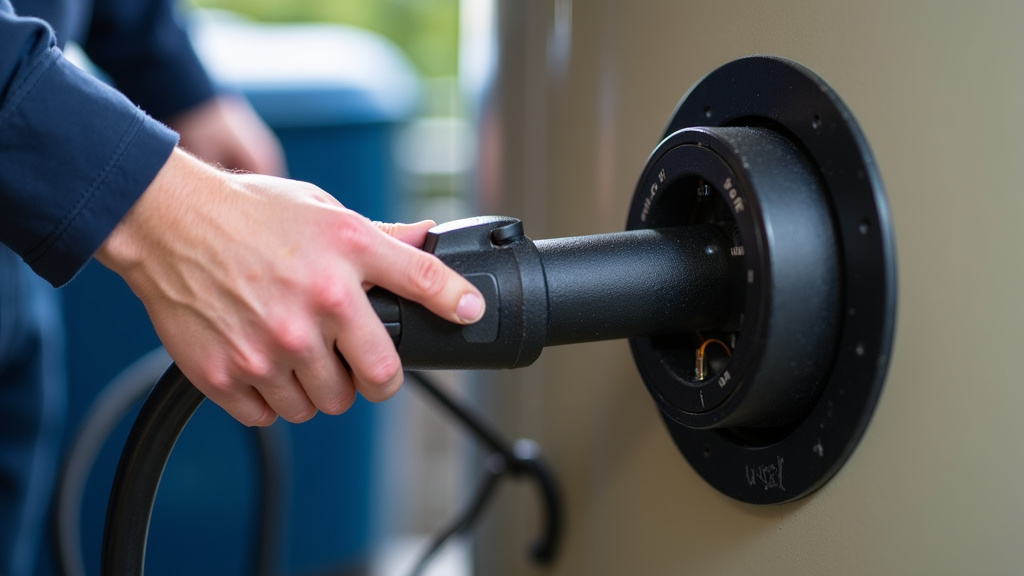
When You Should Definitely Unplug It
There are times when unplugging your air compressor is the clearly better and safer option. These situations usually involve extended periods of non-use or when you want to ensure maximum longevity for your equipment.
Extended Storage or Inactivity
If you won’t be using your air compressor for more than a day or two, it’s best practice to unplug it. This applies especially to long-term storage, such as over the winter months or if you’re going on vacation. Unplugging ensures there’s no chance of accidental activation, power surges damaging the unit, or unnecessary wear from phantom load or minor cycling. It’s the most straightforward way to protect your investment when it’s not actively needed.
Before Performing Maintenance
This is a non-negotiable rule for any power tool or equipment. Always ensure your air compressor is completely unplugged from the power source before you attempt any kind of maintenance, cleaning, or repair. This includes draining the tank, changing filters, or inspecting hoses. We’ve heard stories where even a small amount of residual pressure can cause an unexpected start-up, leading to injury. Safety first is the mantra here; disconnecting power is the most critical step.
During Electrical Storms
When severe weather is approaching, especially thunderstorms with lightning, it’s wise to unplug any sensitive electrical equipment, including your air compressor. A lightning strike can cause significant power surges that can travel through electrical lines and damage your compressor’s motor, control board, or other components. Protecting your equipment from such electrical damage is a simple precaution that can save you a lot of money and hassle.
Checking Your Air Compressor’s Manual
The absolute best source of information for your specific air compressor is its owner’s manual. Manufacturers design their equipment with particular operating parameters in mind. Your manual will detail whether the unit is intended for continuous power, what its safety features are, and any specific recommendations they have for storage and operation. We always recommend keeping your manual handy. It’s like a user-friendly guide to getting the most out of your tool while keeping it safe and functional.
| Feature | Leaving Plugged In (with Auto Shut-Off) | Unplugging When Not In Use |
|---|---|---|
| Convenience | High – ready to use instantly | Lower – requires plugging in each time |
| Wear & Tear | Potentially higher due to frequent cycling | Lower – motor and components rest |
| Moisture Buildup | Increased risk if not drained regularly | Reduced risk, easier to manage |
| Energy Use | Slight standby power consumption | Zero energy consumption |
| Safety Risk | Slightly higher (surges, component failure) | Minimal – eliminates electrical risks |
Your Air Compressor Checklist: Best Practices
To help you decide what’s best for your situation, here’s a quick checklist of best practices:
- Read Your Manual: Always start here for specific guidance.
- Check Pressure Gauge: If plugged in, glance at it occasionally.
- Listen for Cycles: Frequent starting/stopping might signal a leak or wear.
- Drain Regularly: Make it a habit to release moisture from the tank.
- Unplug for Storage: Especially for more than a day or two.
- Disconnect for Maintenance: Safety is always paramount.
Conclusion
So, can you leave your air compressor plugged in? The short answer is usually yes, but with important caveats. While modern compressors often have automatic shut-offs to manage pressure, they aren’t a perfect solution for all scenarios. We found that frequent cycling due to minor leaks or just regular use can cause wear and tear over time. Moisture buildup is also a concern that can lead to corrosion if not managed. For extended periods of non-use, during storms, or before maintenance, unplugging is always the safest bet. Always consult your owner’s manual for specific manufacturer recommendations to ensure you’re protecting your investment and operating safely.
Frequently Asked Questions
How often should I drain the water from my air compressor tank?
You should aim to drain your air compressor tank at least once a week, or more often if you use it frequently or live in a humid climate. Regularly draining the tank helps prevent rust and corrosion, which can damage the tank and contaminate your air supply. Make it a habit after each use or before storing it.
Will leaving my air compressor plugged in drain my electricity bill significantly?
Leaving your air compressor plugged in will consume a small amount of “phantom load” or standby power. For most home users, this added electricity cost is minimal and likely won’t make a noticeable difference on your bill. However, if you’re focused on energy efficiency or have many devices plugged in, unplugging it when not in use is a simple way to conserve a small amount of power.
What is the biggest risk of leaving an air compressor plugged in?
The biggest risk of leaving your air compressor plugged in long-term is increased wear and tear on the motor and internal components. If the compressor cycles on and off frequently due to minor leaks or ambient pressure changes, this constant starting and stopping can shorten the lifespan of your unit. Moisture buildup leading to corrosion is another significant concern.
Can a faulty pressure switch cause my air compressor to explode?
While a faulty pressure switch is a serious issue, an explosion is highly unlikely due to safety features. Most air compressor tanks are equipped with a safety relief valve designed to vent excess pressure if the pressure switch fails. However, it’s crucial to periodically check your pressure gauge and ensure the switch is functioning correctly to prevent over-pressurization and unnecessary strain on the tank.
Is it okay to leave my portable air compressor plugged in overnight?
For most portable air compressors, it’s best practice to unplug them overnight, especially if you won’t be using them. While the automatic shut-off should prevent over-pressurization, leaving it plugged in can still lead to minor cycling, moisture buildup, and unnecessary wear. Unplugging ensures it’s completely safe and resting when not in use.
