
How To Use Air Compressor Without Car?
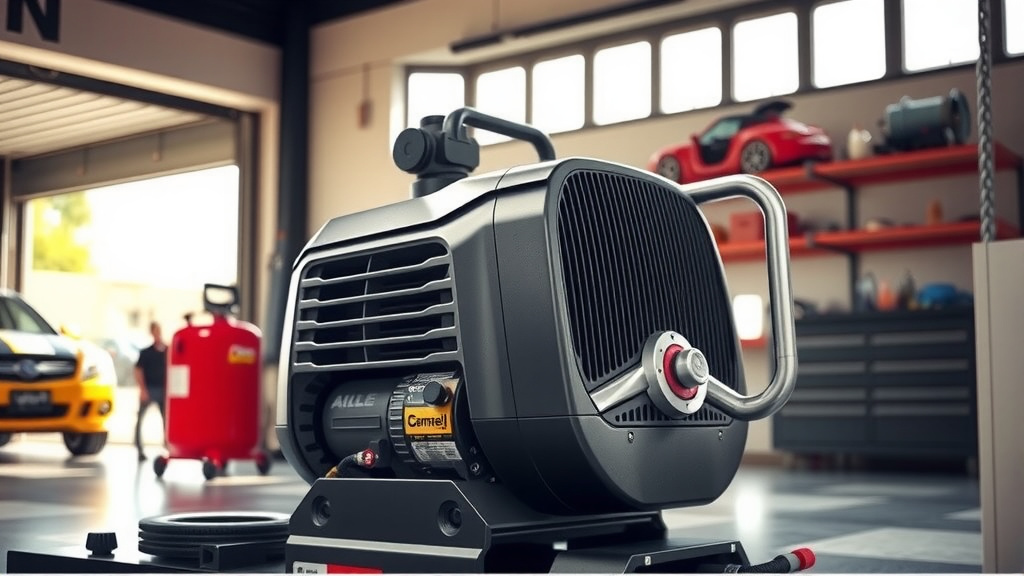
Absolutely, you can use an air compressor without a car! These versatile tools power many different projects around your home, workshop, or even outdoors, far from any vehicle.
Many models of air compressors operate independently using standard household electrical outlets or even portable battery packs, making them incredibly useful for various tasks beyond automotive needs.
- You can use an air compressor for countless tasks like inflating tires (bicycles, sports balls), cleaning, and powering tools.
- Most compressors simply need a standard electrical outlet; car power is not a requirement for their operation.
- Portable battery-powered models offer complete freedom to use your compressor anywhere, without any cords.
- Always match your compressor’s power and air delivery to the specific task for optimal performance.
- Safety gear, like eye protection, is a must whenever you are operating an air compressor.
How To Use Air Compressor Without Car?
Using an air compressor without a car opens up a world of possibilities for your projects. You just need the right power source and the correct attachments for your tools. It’s simpler than you might think to get started.
Powering Your Compressor Off the Grid (or Garage)
Air compressors need power, but that power doesn’t have to come from your car. Most common compressors use a standard electrical outlet, like the ones in your home. Some smaller, portable units even run on rechargeable batteries, offering incredible flexibility.
Think about where you plan to use it. If it’s in your garage or shed, a typical wall outlet works perfectly. For outdoor tasks far from power, a battery-powered compressor becomes your best friend. We found that many modern cordless models offer surprising power and runtime (Consumer Reports).
Choosing the Right Power Source
Selecting the power source depends on your compressor type and where you are working. A traditional corded compressor plugs into a wall. Battery units are fantastic for mobility, but check their run time. Generator power is an option for large, remote projects.
Inflating Anything But Car Tires
When you picture an air compressor, tire inflation might be the first thing that comes to mind. But it’s not just for cars! Think about all the other things that need air. Your compressor can handle them all, easily and efficiently.
From bicycle tires to basketballs, an air compressor makes quick work of inflation tasks. You just need the right nozzle attachment. It’s like having a tiny air station right at your fingertips.
- Bicycle tires and tubes
- Sports balls (basketballs, soccer balls, footballs)
- Inflatable toys and pool floats
- Air mattresses and inflatable boats
- Wheelbarrow and lawnmower tires
Powering Air Tools and Equipment
Did you know air compressors are the muscles behind a whole range of tools? Many professional workshops rely entirely on air-powered (pneumatic) tools. These tools are often lighter, more powerful, and last longer than their electric counterparts.
Imagine fastening screws with an air nailer or sanding down a wooden project with an orbital sander. An air compressor can power these tasks and many more. It’s truly a versatile centerpiece for any home workshop or DIY enthusiast.
Common Air Tools You Can Use
The variety of pneumatic tools is impressive. You can find air ratchets, impact wrenches, grinders, and even paint sprayers. Each tool connects to your compressor with a simple air hose. We found that matching CFM (cubic feet per minute) to your tool’s needs is key for optimal performance (Popular Mechanics).
Cleaning and Dusting with Compressed Air
Beyond inflating and powering tools, compressed air is a fantastic cleaning agent. It’s like having a powerful, targeted gust of wind at your command. You can reach into tiny crevices where cloths or brushes just can’t go.
Think about dusting sensitive electronics, cleaning intricate machinery, or blowing sawdust off your workbench. Compressed air makes these jobs surprisingly quick and effective. It’s a quick way to get things truly pristine and free from debris.
| Cleaning Task | Why Compressed Air Helps |
|---|---|
| Workshops & Garages | Removes sawdust, metal shavings, and debris from tools and surfaces. |
| Electronics | Safely dislodges dust from keyboards, circuit boards, and ventilation grilles. |
| Outdoor Gear | Cleans dirt from bicycle chains, lawnmowers, or gardening tools. |
| Small Spaces | Reaches into vents, cracks, and tight spots unreachable by hand. |
Prepping for Paint and Finish Work
A smooth paint job starts with a clean surface, and compressed air is perfect for achieving that. Before you even pick up a brush or sprayer, you can use your compressor to blast away dust and tiny particles. This helps paint adhere better and reduces imperfections.
If you’re using an air sprayer, the compressor becomes even more critical. It delivers a consistent, even flow of air to atomize your paint, creating a smooth, professional finish. Many experts say proper air pressure control is vital for good spray painting (Paint Pro Magazine).
Safety First: Essential Practices
Working with compressed air can be powerful and efficient, but safety should always be your top concern. Ignoring basic safety rules can lead to accidents or injuries. Always treat your air compressor with respect.
Think of it like driving: you wouldn’t get behind the wheel without knowing the rules, right? The same goes for operating an air compressor. Taking a few moments to prepare can prevent a lifetime of regret.
Your Compressor Safety Checklist
- Always wear eye protection (safety glasses or goggles).
- Wear hearing protection, especially with loud compressors.
- Never point an air nozzle at yourself or others.
- Check hoses and connections for damage before each use.
- Keep the compressor in a well-ventilated area to prevent overheating.
- Read your compressor’s owner’s manual thoroughly.
Maintenance for Longevity
Just like any other tool, your air compressor needs a little love to keep it running smoothly. Regular maintenance prevents breakdowns and extends its lifespan. A well-maintained compressor works more efficiently and safely.
It’s not complicated, truly. Think of it as a small investment in your tool’s future. A few simple steps can make a big difference, saving you money and frustration down the road. We found that draining the tank regularly is one of the most important tasks (Popular Science).
Basic Compressor Care Tips
Regularly drain condensation from the air tank. This prevents rust inside the tank, which can cause serious damage. Check and clean the air filter often, especially in dusty environments. Lubricate moving parts if your model requires it. A clean, well-oiled compressor is a happy compressor!
Conclusion
Your air compressor is a remarkably versatile piece of equipment, perfectly capable of thriving far beyond the garage or driveway. Whether you’re inflating bicycle tires, powering heavy-duty tools, or delicately dusting electronics, it offers powerful solutions. By understanding its capabilities, choosing the right power source, and always prioritizing safety, you can truly maximize its potential for all your projects. It’s a tool that works hard for you, wherever you need it.
What kind of air compressor is best for home use without a car?
For home use, a portable electric air compressor is generally ideal. Many models plug into standard wall outlets (120V) and are suitable for tasks like inflation, cleaning, and powering smaller air tools. Look for a compressor with adequate CFM (cubic feet per minute) for your intended tasks.
Can I use an air compressor with a portable generator?
Yes, you can absolutely use an air compressor with a portable generator. Ensure your generator provides enough continuous wattage to meet the compressor’s starting and running power requirements. Check both the compressor’s manual and the generator’s specifications for compatibility.
Are there battery-powered air compressors strong enough for air tools?
Yes, modern battery-powered air compressors have become surprisingly powerful. While they may not run the largest, most demanding air tools continuously, many are excellent for jobs like fastening with air nailers, inflating tires, or quick cleaning tasks. Their portability is a huge advantage for remote work.
What attachments do I need to use an air compressor for general tasks?
For general tasks, you’ll want a basic inflation kit (various nozzles for balls, floats, tires), an air blow gun for cleaning and dusting, and an air hose with quick-connect couplers. If you plan to use air tools, you’ll need the specific tools themselves and possibly an air filter/regulator for consistent pressure.
How do I maintain my air compressor if I only use it occasionally?
Even with occasional use, consistent maintenance is key. Always drain the moisture from the air tank after each use to prevent rust. Check the air filter periodically and clean or replace it if it looks dirty. For oil-lubricated models, check the oil level and change it as recommended by the manufacturer, typically annually or after a certain number of hours.
