
How To Use Anvil Air Compressor?
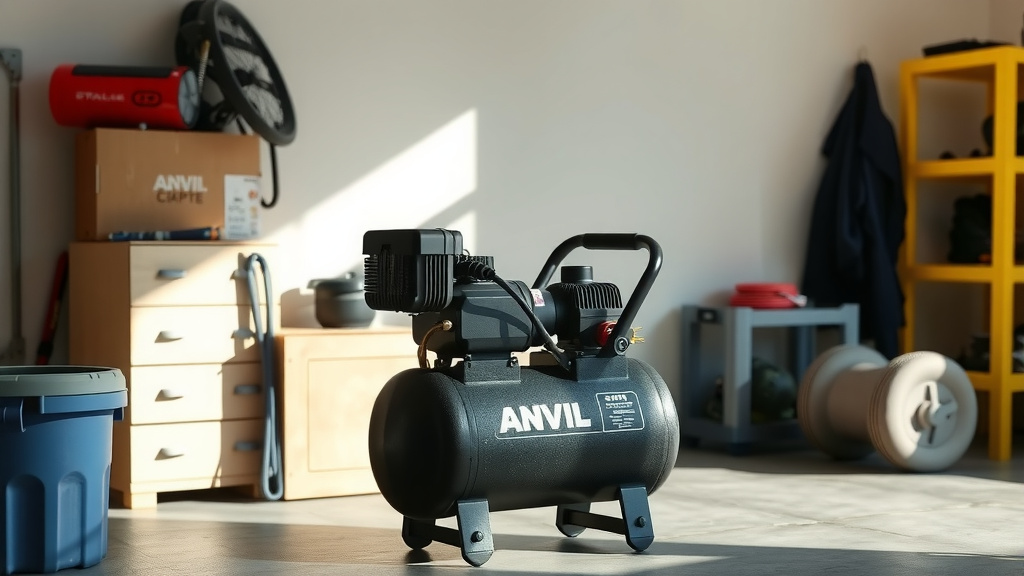
To use an Anvil air compressor, you first connect it to a power source, attach an air hose to the output, and then secure your chosen air tool. After ensuring all connections are tight, simply turn on the compressor, allow it to build pressure, and then adjust the regulator to your desired PSI before operating your tool.
Always remember to prioritize safety by wearing appropriate gear like eye protection and checking for secure connections before operating your Anvil air compressor for any task.
- Get started by always putting safety first with gear and checking your setup.
- Connect your Anvil compressor to power and attach the air hose securely.
- Turn it on, let it build enough pressure, and then set the correct PSI for your tool.
- Use the compressor for common tasks like inflating tires or powering nail guns.
- Remember to drain the tank regularly and perform basic upkeep to keep it running smoothly.
How To Use Anvil Air Compressor?
Using an Anvil air compressor is straightforward once you know the basics. These machines are designed for reliability, often found in workshops and garages for various DIY projects. You can get started with your tasks quickly when you understand each step. It’s about building confidence with your equipment.
Understanding Your Anvil Compressor
Anvil air compressors are popular for their dependable performance and user-friendly design. They are a common choice for many home projects. You might use yours for inflating car tires or powering a brad nailer. Knowing what your specific model can do helps a lot.
Key Components to Know
Your Anvil compressor has a few main parts. The tank stores compressed air, while the motor and pump build that pressure. You’ll also find a pressure gauge and a regulator. These help you control the air output for your tools. Learning these parts makes operation much simpler.
Safety First, Always!
Before you even think about turning on your compressor, think about safety. Air compressors can be powerful machines. We found that proper safety precautions prevent accidents (OSHA guidelines often stress this point). It keeps you, and your workspace, secure.
Essential Safety Gear
Always wear safety glasses or goggles. Loud compressors can also damage your hearing, so use ear protection. Some tasks might need gloves to protect your hands. Always ensure your workspace is well-ventilated too. Many experts say good ventilation is non-negotiable when using power tools (National Safety Council).
Setting Up Your Anvil Air Compressor
Setting up your Anvil compressor is the next logical step. Pick a flat, stable surface for the unit. Ensure it’s near an electrical outlet that can handle its power draw. A dedicated circuit is often a good idea for larger models. This setup prevents tripping breakers.
Connecting Air Hoses and Tools
Now, attach your air hose to the compressor’s air output port. Most Anvil compressors use quick-connect fittings. Simply push the collar back, insert the hose fitting, and release. Then, attach your chosen air tool to the other end of the hose. Make sure all connections are snug and free of leaks.
Basic Operation: Powering On and Off
With everything connected and secure, you’re ready to power it up. Flip the ON/OFF switch. The compressor will start to build pressure. You will hear the motor working. Watch the pressure gauge to see it climb. It will stop automatically once it reaches its maximum pressure.
Adjusting Air Pressure (PSI)
You’ll often need to adjust the pressure for your specific tool. The regulator knob allows you to do this. Turn it clockwise to increase pressure and counter-clockwise to decrease it. Most air tools specify their required PSI. We recommend you always check your tool’s manual for the correct setting.
Common Anvil Air Compressor Applications
Anvil compressors are versatile tools for various jobs around your home or shop. Think about all the ways you can use it. They are fantastic for inflating items, powering pneumatic tools, and even for cleaning tasks. What task do you have in mind today?
- Inflating car, bike, or sports equipment tires.
- Using nail guns or staplers for carpentry projects.
- Operating impact wrenches for automotive repairs.
- Blowing dust and debris off surfaces with an air nozzle.
- Painting with spray guns for a smooth finish.
Maintaining Your Anvil Compressor
Just like your car, your Anvil air compressor needs a little care. Regular maintenance ensures a long and happy life for your machine. This care prevents bigger problems down the road. It’s a small effort for a big reward.
Why Regular Maintenance Matters
The most important maintenance step is draining the tank. Compressed air creates condensation inside the tank. If left, this water can cause rust and damage. Many experts say to drain the tank after every use. This simple act saves you trouble and money.
| Maintenance Task | Frequency | Why It’s Important |
|---|---|---|
| Drain Air Tank | After Each Use | Prevents rust and prolongs tank life. |
| Check Air Filter | Monthly / As Needed | Ensures clean air intake, protects motor. |
| Inspect Hoses & Fittings | Before Each Use | Checks for leaks or damage, ensures safety. |
| Check Oil Level (if applicable) | Weekly / Monthly | Lubricates pump, prevents wear (for oil-lubed models). |
Troubleshooting Common Issues
Sometimes your compressor might act a little finicky. Don’t worry; many issues have simple solutions. We found that most problems stem from a few common areas. You can often diagnose and fix these yourself.
Quick Fixes for Anvil Compressors
If your compressor isn’t building pressure, check the power supply first. Is the circuit breaker tripped? Are all hose connections tight? Sometimes, a dirty air filter can restrict airflow, making the compressor work harder. A quick clean can help here. Is the drain valve fully closed? A partially open valve will prevent pressure buildup.
Pre-Operation Checklist for Your Anvil Compressor
- Is the power cord undamaged and securely plugged in?
- Are all air hoses and tools correctly attached and sealed?
- Is the air tank drain valve fully closed?
- Are you wearing appropriate safety gear (eye and ear protection)?
- Is your workspace clear of obstructions and well-ventilated?
Conclusion
Using your Anvil air compressor safely and effectively is quite simple. By understanding its parts, following safety guidelines, and performing basic maintenance, you’ll keep your unit running smoothly for years. Remember, proper setup and regular care mean you get the most out of your tool. You’re now equipped to tackle those projects with confidence and power.
What safety precautions should I take when using an Anvil air compressor?
Always wear safety glasses and ear protection to guard against debris and noise. Ensure your workspace is well-ventilated to avoid fumes. Inspect hoses and connections for leaks before starting, and never point the air nozzle at yourself or others.
How often should I drain the tank on my Anvil air compressor?
It is best practice to drain the air tank after every use. This prevents moisture buildup and rust inside the tank, which can damage the compressor and contaminate your air supply. Regularly draining the tank significantly extends the life of your Anvil compressor.
Can I use any air tool with an Anvil air compressor?
Most standard air tools are compatible with Anvil air compressors, but you should always check the air consumption (CFM) and pressure requirements (PSI) of your specific tool. Ensure your compressor can provide enough air to operate the tool efficiently without overworking the motor.
What if my Anvil compressor isn’t building pressure?
First, check the power connection and circuit breaker. Then, inspect all air hose connections for leaks and ensure the tank drain valve is fully closed. A clogged air filter can also prevent pressure buildup, so check if it needs cleaning or replacement. If issues persist, consult your compressor’s manual.
Where can I find replacement parts for my Anvil air compressor?
Replacement parts for Anvil air compressors are typically available at major hardware stores or home improvement centers where the brand is sold. You can also often find them through the manufacturer’s customer service or authorized parts dealers. It is helpful to have your compressor’s model number handy.
