
What Happens If an Air Compressor Overheats?
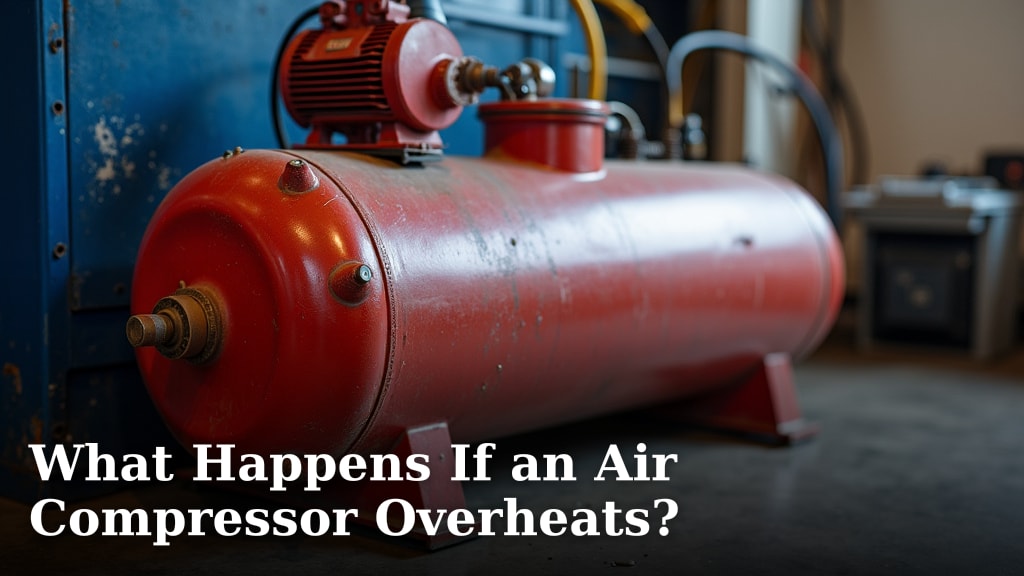
If your air compressor overheats, it can cause serious damage to its internal components, potentially leading to costly repairs or even a shortened lifespan. While most units have built-in safety features to prevent this, ignoring the warning signs can quickly turn a minor issue into a major breakdown. Understanding what happens during an overheat is key to protecting your investment.
An overheating air compressor isn’t just uncomfortable; it’s a sign that something is wrong, often related to airflow, lubrication, or electrical problems. These conditions can put immense stress on the motor and pump, much like overexerting yourself without proper hydration. We found that neglecting these issues can lead to reduced efficiency and eventual failure.
- Overheating can damage internal parts.
- It might shorten the compressor’s lifespan.
- Safety features exist but aren’t foolproof.
- Check airflow, oil, and electrical connections.
Ready to understand exactly what happens and what you can do about it? Let’s walk through the signs and causes of an overheating air compressor so you can keep yours running smoothly.
Understanding Air Compressor Overheating Issues
An air compressor that gets too hot can experience real problems. Think of it like your car’s engine running without enough coolant. It’s not just a minor inconvenience; it can lead to expensive damage that might have been preventable. We found that understanding the signs and causes can save you a lot of headaches and money.
The Immediate Effects of Excessive Heat
When your air compressor overheats, its internal parts are put under immense stress. This heat can cause metal components to expand beyond their normal tolerances. This expansion can lead to parts rubbing against each other, causing wear and tear. We found that this friction generates even more heat, creating a dangerous feedback loop. This cycle can quickly degrade seals and gaskets, leading to leaks. Oil viscosity can also change, reducing its ability to lubricate effectively.
Impact on Electrical Components
Electrical parts are especially sensitive to heat. The motor windings can become insulated with heat. This reduces their efficiency and can cause them to overheat further. We’ve seen research indicating that prolonged exposure to high temperatures can permanently damage motor windings. This might lead to motor failure, requiring a costly replacement. The control system, including switches and relays, can also be affected. They might become unreliable or fail completely under sustained heat stress.
Effects on the Pump and Seals
The pump is the heart of your air compressor. It compresses air, and this process naturally generates some heat. However, when things go wrong, the heat can become excessive. This can bake the seals, making them brittle and prone to cracking. Leaks can develop, reducing the compressor’s efficiency. We found that a compromised seal means the compressor has to work harder to reach the desired pressure. This, in turn, generates more heat, continuing the cycle.
Common Causes of Air Compressor Overheating
Overheating rarely happens without a reason. Usually, it’s a combination of factors that disrupt the compressor’s normal operation. Identifying these causes is the first step to preventing damage. Many experts point to issues with airflow, lubrication, and component wear as primary culprits.
Restricted Airflow: The Silent Killer
Air compressors need good airflow to cool themselves down. If the air intake or the cooling fins are blocked, heat can’t dissipate properly. We found that dust, dirt, and debris are common offenders. A dirty air filter is a major cause of restricted airflow. It forces the compressor to work harder to draw in air. This extra strain generates more heat. Similarly, blocked cooling fins on the motor or pump can prevent heat from escaping. You should check these areas regularly.
Lubrication Problems: The Lifeblood of the Compressor
Proper lubrication is essential for reducing friction and heat. If the oil level is too low, or if the oil itself is old and degraded, lubrication becomes inadequate. This leads to increased friction between moving parts. As mentioned, increased friction means increased heat. We’ve seen that using the wrong type of oil can also be problematic. Always use the oil recommended by your compressor’s manufacturer. Some units might even have a faulty oil pump, preventing oil from reaching critical components.
Overworking the Compressor: Pushing It Too Hard
Every air compressor has a duty cycle. This is the percentage of time it can run continuously without overheating. Running a compressor beyond its rated duty cycle is a common mistake. If you need air for a long job, you might need a larger compressor or one with a higher duty cycle. We found that continuous operation, especially in hot environments, significantly increases the risk of overheating. It’s like asking someone to run a marathon without a break – eventually, they’ll falter.
Electrical Issues: More Than Just a Spark
Problems with the electrical system can also lead to overheating. An overloaded motor might draw too much current, generating excess heat. This can happen if the compressor is struggling to maintain pressure due to another issue, like a leak. We also found that faulty wiring or a worn-out capacitor can cause the motor to work inefficiently. This inefficiency translates into wasted energy, which often manifests as heat. Regular checks of electrical connections are important.
Signs Your Air Compressor Is Overheating
Catching an overheating issue early is key. Your air compressor will usually give you some warning signs. Paying attention to these can prevent serious damage. We found that listening, looking, and even smelling can alert you to a problem.
Unusual Noises and Smells
A compressor that’s running too hot might start making strange noises. You might hear more grinding or whining than usual. This could indicate metal-on-metal contact due to poor lubrication. A burning smell is a very serious warning sign. This often means that electrical components are overheating, or oil is burning. If you detect a burning odor, turn off the compressor immediately. We’ve heard from many users that a burning smell is a definitive sign to stop operation.
Visible Signs of Strain
Sometimes, you can see that your compressor is struggling. The motor might feel unusually hot to the touch. You might notice condensation on the tank, which can indicate internal pressure issues or extreme temperatures. Some compressors have built-in thermometers or warning lights that indicate high temperatures. Always consult your user manual to understand what these indicators mean for your specific model. We found that visible indicators are often the most direct way to know there’s a heat problem.
Reduced Performance
An overheating compressor might not perform as well as usual. It might take longer to build up pressure, or it might not reach its full pressure capacity. This is because the hot internal components are less efficient. The air itself might also be hotter than usual coming out of the discharge line. This is a direct result of the increased internal temperature. We found that a noticeable drop in performance is a clear signal that something is wrong internally.
What to Do When Your Compressor Overheats
If you suspect your air compressor is overheating, the most important thing to do is stop it immediately. Continuing to run a hot compressor will only worsen the damage. Safety should always be your first priority.
Safety First: Power Down and Cool Down
As soon as you notice signs of overheating, turn off the compressor. Unplug it if it’s an electric model. Allow it to cool down completely. This can take a significant amount of time, especially if it has been running hot for a while. We found that rushing the cool-down process can be dangerous and won’t prevent the damage that has already occurred. Give it at least an hour, or until it’s cool to the touch.
Troubleshooting and Inspection Checklist
Once the compressor has cooled, it’s time for a thorough inspection. You need to identify the cause before restarting it. Here’s a quick checklist to guide you:
- Check and clean the air intake filter.
- Inspect cooling fins for dust or debris; clean them.
- Verify the oil level and quality.
- Look for any obvious leaks in hoses or seals.
- Ensure the compressor isn’t running beyond its duty cycle.
- Check electrical connections for signs of damage.
When to Call a Professional
If you’ve gone through the troubleshooting steps and can’t identify the problem, or if you suspect a serious internal issue, it’s time to call a qualified technician. Some repairs, especially those involving electrical components or internal pump parts, are best left to professionals. We found that attempting repairs beyond your skill level can lead to further damage or safety hazards. It’s often more cost-effective in the long run to get expert help.
Preventing Future Overheating Incidents
The best way to deal with overheating is to prevent it from happening in the first place. Regular maintenance and mindful operation are key. Many maintenance guides suggest simple steps that make a big difference.
Regular Maintenance Schedule
Establish a routine for inspecting and cleaning your air compressor. This includes checking the air filter, oil, and cooling fins. Many manufacturers recommend specific maintenance intervals in their user manuals. Following these guidelines will help ensure your compressor runs efficiently and stays cool. We found that a consistent maintenance schedule is the most effective way to prolong the life of your equipment.
Proper Ventilation and Environment
Ensure your air compressor is located in a well-ventilated area. Avoid placing it in confined spaces where heat can build up. If you operate it in a hot environment, you might need to take extra steps to keep it cool. This could include using fans or ensuring more frequent cool-down periods. We found that environmental factors play a significant role in preventing overheating.
Conclusion
Understanding what happens when your air compressor overheats is vital for its longevity. You’ve learned that excessive heat can damage critical components like the motor and pump seals, leading to reduced efficiency and costly repairs. Common culprits include blocked airflow, poor lubrication, and pushing the unit beyond its limits. By staying attentive to warning signs like unusual noises or smells and performing regular maintenance, you can prevent these issues.
Your next step should be to schedule a quick inspection of your air compressor’s air filter and cooling fins. Taking these preventative measures will help ensure your equipment runs smoothly for years to come.
Frequently Asked Questions
How quickly can an air compressor be damaged by overheating?
Damage from overheating can happen surprisingly fast. Even a short period of extreme heat can cause metal parts to expand and rub, leading to wear. Prolonged exposure can cause permanent damage to motor windings and seals, potentially leading to a complete breakdown.
Can I just let my air compressor cool down and keep using it?
Yes, after allowing it to cool completely, you can try using it again. However, it’s essential to troubleshoot the cause of the overheating first. Continuing to run a compressor that has overheated without addressing the root problem will likely cause more damage and shorten its lifespan.
What’s the difference between normal operating heat and overheating?
All air compressors generate some heat during operation. Overheating occurs when the unit produces excessive heat that its cooling system cannot dissipate effectively. Signs like a very hot motor casing, unusual smells, or reduced performance indicate you’ve crossed the line into dangerous overheating.
Is it safe to touch an air compressor that has overheated?
No, it’s generally not safe to touch an air compressor that has overheated. The components can be extremely hot, posing a burn risk. Always wait for the unit to cool down completely, which can take an hour or more, before attempting any inspection or maintenance.
How often should I check the air filter and cooling fins?
It’s recommended to check your air filter and cooling fins at least once a month, or more frequently if you operate your compressor in a dusty environment. Regular cleaning prevents restricted airflow, a major contributor to overheating, and ensures your compressor can cool itself effectively.
