How To Use BOSTITCH 6 Gallon Air Compressor?
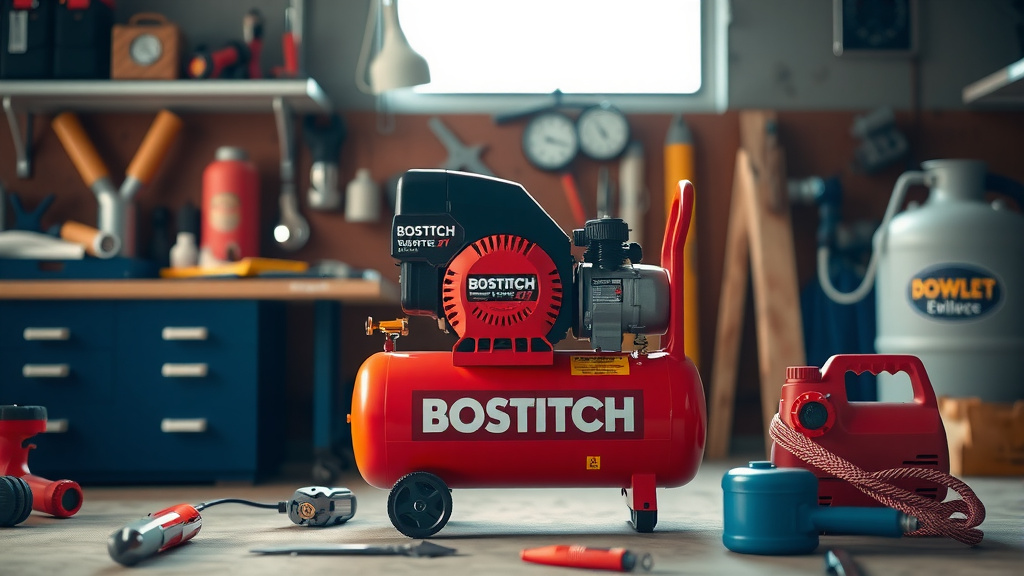
To effectively use your BOSTITCH 6 Gallon Air Compressor, begin by connecting your air tool, then adjust the pressure regulator to the required PSI, and allow the tank to fully pressurize before starting your task.
This compact and powerful compressor is perfect for a range of projects, from inflating car tires to operating pneumatic nail guns, offering both convenient portability and reliable performance for your workshop or home.
- Connect your air tools securely and set the pressure regulator.
- Always prioritize safety; wear eye and hearing protection.
- Perform regular maintenance, especially draining the tank, to extend its life.
- The BOSTITCH 6 gallon model is a versatile tool for many DIY tasks.
- Know how to troubleshoot common issues like pressure drops or starting problems.
How To Use BOSTITCH 6 Gallon Air Compressor?
Using your BOSTITCH 6 Gallon Air Compressor is straightforward for most DIYers. You just need to connect your chosen air tool, set the correct pressure, and let the compressor do its job.
Many users find this compressor a reliable partner for various projects around the home or shop, making jobs like framing or trim work much easier (Home Depot user reviews).
Getting Your BOSTITCH Compressor Ready for Action
Think of setting up your compressor like preparing for a recipe. Each step helps you get to the delicious result without any hiccups. We want you ready to tackle any project with confidence.
Taking a few moments for proper setup can save you time and frustration later on, ensuring your machine performs at its best from the start.
Unboxing and Initial Setup Steps
When you first get your BOSTITCH compressor, take it out of the box and check for any obvious damage. Look for dents or loose parts.
Place your compressor on a flat, stable surface. This prevents tipping and helps with proper ventilation. It’s like giving it a good foundation.
Next, find the power cord. Plug it into a grounded electrical outlet. Always use an extension cord rated for outdoor heavy-duty use if needed, and make sure it’s the right gauge.
Connecting Air Tools and Accessories
Before connecting any tools, ensure the compressor’s air tank is empty or the pressure is released. This is a basic safety measure.
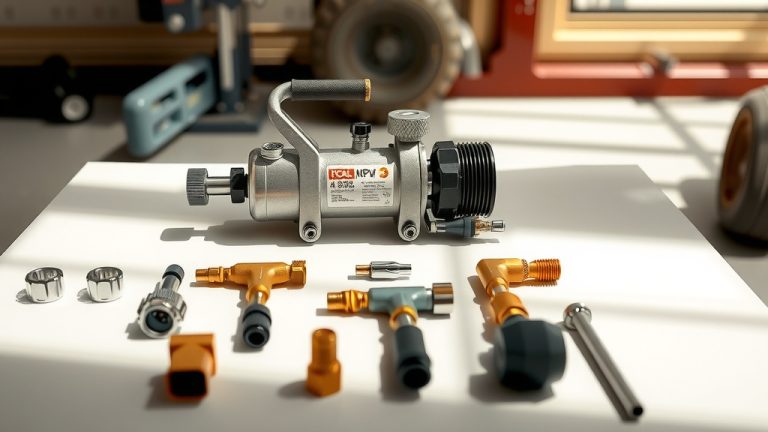
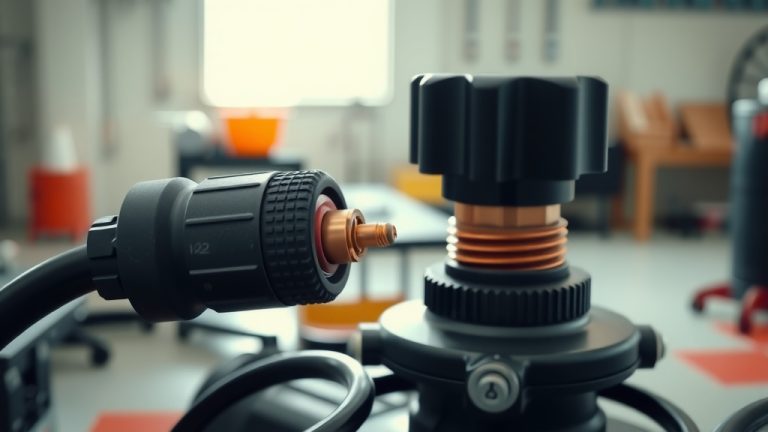
You’ll use a quick-connect coupler for most air tools. Push the tool’s fitting into the coupler until it clicks securely. Give it a gentle tug to ensure it’s locked.
If you’re using a hose that needs assembly, use thread seal tape, often called Teflon tape, on the threads. Wrap it clockwise a few times to create a good, airtight seal.
Setting the Right Working Pressure
Every air tool has a recommended operating pressure, usually measured in PSI (pounds per square inch). You’ll find this in your tool’s manual.
Turn the compressor on and let it fill the tank. Once it reaches its maximum pressure and shuts off, you can adjust the regulator dial.
Turn the dial to increase or decrease the working pressure. Watch the regulated pressure gauge to get the correct PSI for your tool. It’s like finding the perfect temperature for cooking.
Essential Safety Practices for Air Compressors
Working with air compressors means dealing with stored energy. Like any powerful tool, it requires respect and proper safety habits.
Think of safety rules as your personal bodyguard. They are there to protect you from unexpected surprises and ensure your projects are fun and injury-free.
Your Personal Protective Equipment (PPE)
Always wear safety glasses or goggles to protect your eyes from debris. Nail guns, for example, can eject small pieces with force.
Hearing protection, such as earplugs or earmuffs, is also very important. Air compressors can be noisy, and prolonged exposure can damage your hearing (CDC guidelines).
Gloves can protect your hands, and sturdy footwear is always a good idea in a workshop environment. You never know when something might drop.
Simple Maintenance for a Longer Compressor Life
Maintaining your BOSTITCH 6 Gallon Air Compressor isn’t complicated. A little routine care goes a long way, like watering a plant to help it grow.
Regular maintenance ensures your compressor performs efficiently and lasts for many years of projects, saving you money and headaches in the long run.
Draining the Air Tank Regularly
Compressed air contains moisture. This moisture collects in the tank as water, which can lead to rust over time.
You should drain the tank after each use, or at least daily if used frequently. Locate the drain valve at the bottom of the tank.
Open the valve and tilt the compressor slightly to help the water drain out. Close it tightly once all the water is expelled. It’s a small task with a big impact on compressor health.
Inspecting and Cleaning the Air Filter
The air filter keeps dust and debris out of the compressor’s pump. A clogged filter makes the motor work harder.
Check the air filter periodically, perhaps monthly with regular use. Many experts say a clean filter is key for optimal motor performance.
Refer to your manual for cleaning or replacement instructions. Some filters can be cleaned with compressed air, while others need to be replaced. Keeping it clean helps your compressor breathe easily.
Solving Common BOSTITCH Compressor Problems
Even the best tools can sometimes have a hiccup. Don’t worry; many common air compressor issues have simple fixes.
We’ve found that understanding these basic troubleshooting steps can save you a trip to the repair shop and get you back to work quickly.
Troubleshooting Power and Leaks
If your compressor won’t start, first check the power source. Is it plugged in firmly? Is the circuit breaker tripped?
Many models have a thermal overload protector that trips if the motor overheats. If it tripped, let the unit cool down, then press the reset button (usually red).
Air leaks can cause your compressor to run constantly. You might hear a hissing sound. To find small leaks, mix soapy water and spray it on connections and hoses.
Bubbles will appear where air is escaping. Tighten connections or replace damaged parts. A small leak can sometimes be a big drain on efficiency.
Pre-Operation Checklist for Your BOSTITCH Compressor
- Read your compressor’s owner’s manual.
- Check the compressor for any visible damage.
- Verify it’s plugged into a proper, grounded outlet.
- Ensure all air hoses and tools are securely attached.
- Set the pressure regulator to your tool’s specified PSI.
- Always wear appropriate personal protective equipment (PPE).
Common Air Tool PSI Settings
Different tasks require different air pressures. Here’s a quick guide:
| Air Tool | Typical PSI Range | Common Use |
|---|---|---|
| Brad Nailer | 70-100 PSI | Trim, small woodworking |
| Framing Nailer | 90-120 PSI | Construction, heavy framing |
| Stapler | 70-100 PSI | Upholstery, securing fabric |
| Tire Inflator | 10-100 PSI (as needed) | Car, bike, sports equipment |
| Blow Gun | 30-50 PSI | Cleaning, drying surfaces |
Conclusion
The BOSTITCH 6 Gallon Air Compressor is a fantastic tool for homeowners and DIY enthusiasts. It offers a great balance of power, portability, and ease of use.
By following these steps for setup, operation, and basic maintenance, you’ll find your compressor to be a reliable workhorse for countless projects.
Remember, a little care and attention go a long way in ensuring your tools are ready whenever you are. Happy compressing!
How often should I drain my BOSTITCH 6 Gallon Air Compressor?
You should drain the tank of your BOSTITCH 6 Gallon Air Compressor after each use. If you use it frequently throughout the day, drain it at the end of the day. This simple step prevents rust and corrosion inside the tank, extending its lifespan.
Can I use this compressor for painting projects?
Yes, you can use the BOSTITCH 6 Gallon Air Compressor for small-scale painting projects, especially with touch-up guns or airbrushes. For larger jobs or HVLP (High Volume Low Pressure) spray guns that require a consistent, higher volume of air, you might find its 6-gallon tank capacity limiting, as it will cycle on and off more frequently.
Does the BOSTITCH 6 Gallon compressor require oil?
The BOSTITCH 6 Gallon Air Compressor (models like the BTFP02012) is typically an oil-free unit. This means you do not need to add or change oil for the pump. This design often results in less maintenance and cleaner air output, which is a big plus for many users.
Is the BOSTITCH 6 Gallon compressor loud?
Like most pancake-style air compressors, the BOSTITCH 6 Gallon model can be loud. While newer models are designed to be quieter, they still produce significant noise levels, often in the 75-80 decibel range. Wearing hearing protection is always recommended when operating the compressor.
What tools are best suited for a 6-gallon air compressor?
A 6-gallon air compressor is ideal for various intermittent-use air tools. It excels with brad nailers, finish nailers, staplers, tire inflators, blow guns, and small impact wrenches. It can also power framing nailers for occasional use, though continuous heavy framing might cause it to run frequently.