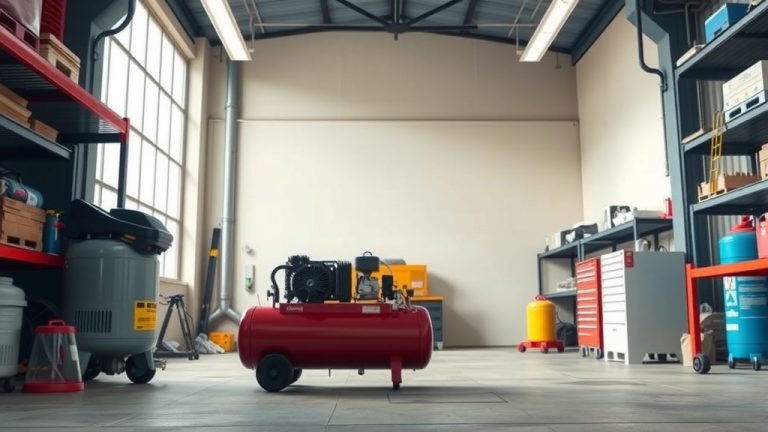
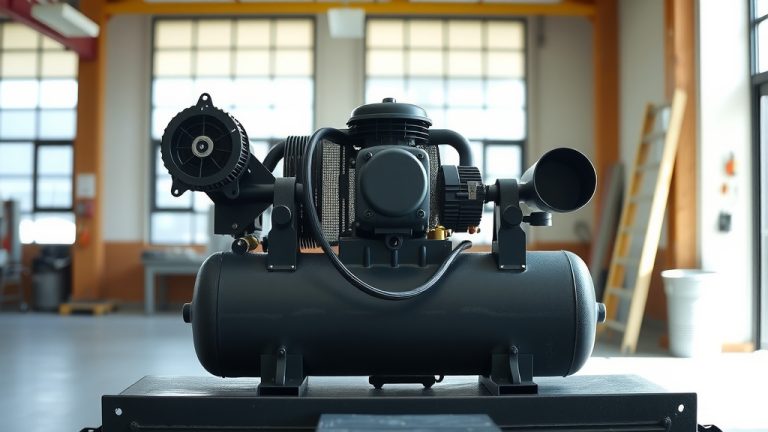
How To Combine 2 Air Compressors?
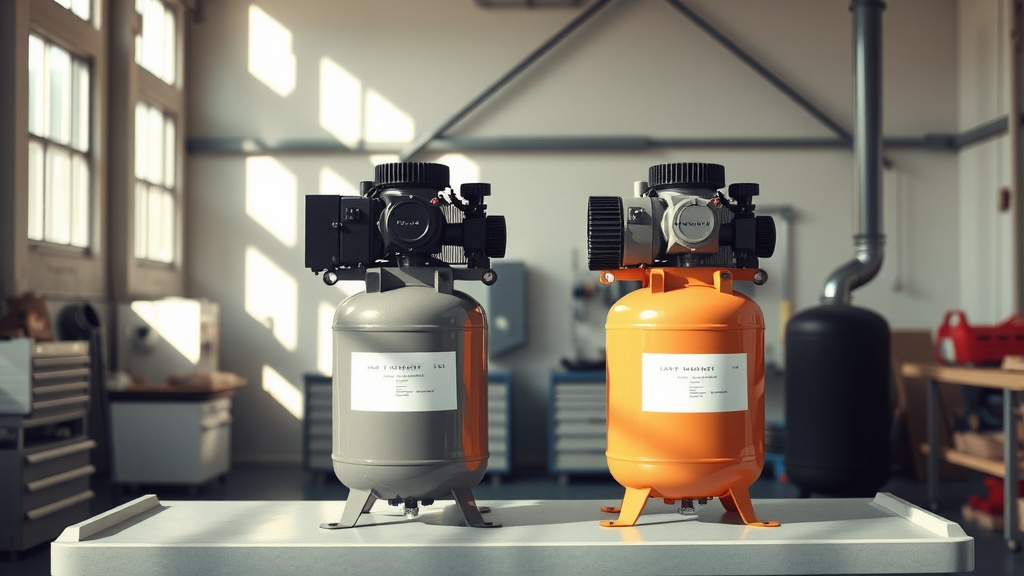
To combine two air compressors effectively, you need to connect their output lines to a common manifold, ensuring each compressor has a check valve to prevent backflow and that their pressure switches are properly synchronized or set to slightly different cut-in/cut-out pressures.
This setup boosts your total air delivery (CFM) and provides greater system redundancy, allowing you to power larger tools or sustain longer operations without interruption.
Here’s a quick overview of what we’ll cover in combining air compressors:
- Understand why you might need more air power.
- Learn the essential components and safety measures.
- Discover the best methods for connecting your units.
- Get a step-by-step guide to a successful setup.
- Find out how to keep your combined system running smoothly.
How To Combine 2 Air Compressors?
You can combine two air compressors by linking their air outputs to a single collection point, often called a manifold, ensuring proper valving and pressure management for safe and efficient operation.
Why Consider Combining Air Compressors?
Are you finding your single air compressor just isn’t cutting it anymore? Perhaps your air tools are lagging, or you’re waiting too long for the tank to refill. Combining two compressors is a smart way to boost your overall air volume (CFM) and deliver more sustained power for demanding tasks. It’s like having two engines instead of one for a big job.
We found that many workshops and DIY enthusiasts combine units to achieve performance levels that a single, larger compressor might offer, but often at a lower initial cost or with existing equipment. This also adds a layer of redundancy to your system; if one unit goes down, the other can often still provide some air, keeping you operational.
Safety First: Essential Precautions
Before you even think about connecting anything, safety is paramount. You are working with high pressure and electricity, so caution is key. Always disconnect power to both units before making any connections. Wear appropriate safety gear, including eye protection, and ensure your workspace is clear. Many experts say that rushing this step leads to accidents (OSHA).
Key Components You’ll Need
To combine your compressors, you’ll need a few specific items. Think of these as the building blocks for your shared air system.
- Air Manifold: This is a central block with multiple ports where both compressor outputs connect, and from which your tools draw air.
- Check Valves: Absolutely critical. Each compressor’s output line needs a check valve to prevent air from flowing back into the inactive compressor’s tank.
- Shut-Off Valves: Ball valves on each compressor line allow you to isolate one unit for maintenance without shutting down the entire system.
- Pressure Switches: These control when your compressors turn on and off. You’ll need to manage these carefully for coordinated operation.
- Appropriate Piping and Fittings: Use only pipe and fittings rated for compressed air and the maximum pressure your compressors produce.
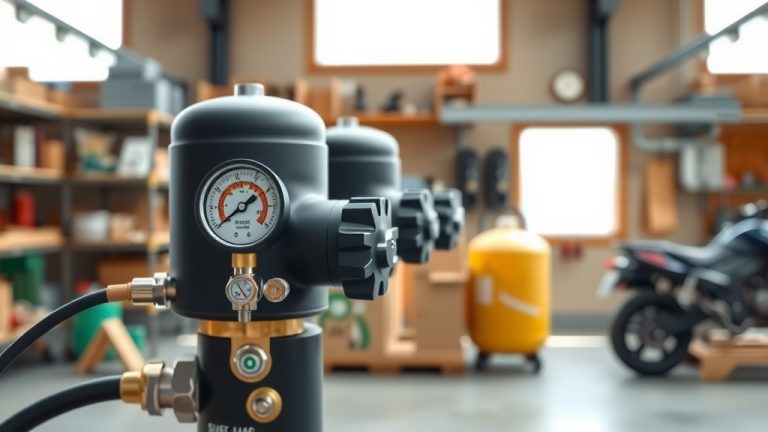
- Pressure Gauge: A master gauge on your manifold helps you monitor the combined system pressure.
Understanding Your Compressors: The Match Game
Can you just combine any two compressors? Not quite. For the best results, aim for compressors with similar CFM output and tank sizes. While not strictly necessary, it helps them work together more harmoniously. If one is much smaller, it might constantly cycle on and off, leading to premature wear.
We found that matching pressure ranges is also important. Ideally, both compressors should have similar maximum PSI ratings. You want them to work together, not against each other.
The Right Setup: Parallel vs. Staged Systems
When combining, you generally have two main approaches. Which one is right for you?
Parallel Configuration
In a parallel setup, both compressors fill the same common tank or manifold simultaneously. They both turn on when pressure drops and turn off when pressure is met. This is the most common and straightforward method for increasing overall CFM.
Staged Configuration
A staged setup involves one compressor (the “lead”) starting first. If the air demand continues and the pressure drops further, the second compressor (the “lag”) kicks in. This approach can be more energy-efficient for fluctuating demands but requires a more complex pressure switch arrangement.
Step-by-Step Guide to Combining Your Compressors
Ready to get your hands dirty? Here’s how to do it.
1. Pre-Installation Checks and Placement
First, inspect both compressors. Make sure they are in good working order. Place them on a stable, level surface in a well-ventilated area. Give them enough space for airflow and maintenance.
2. Connecting the Plumbing
Connect the output line of each compressor to its own check valve. Then, connect the output of each check valve to a shut-off valve. Finally, run a pipe from each shut-off valve to a port on your central air manifold. Remember, using thread sealant tape or compound is essential for leak-free connections.
3. Managing Pressure Switches
This is where things get a bit technical. For a parallel setup, you can either adjust both pressure switches to the exact same cut-in and cut-out pressure, or slightly stagger them. Many experts suggest staggering them by a few PSI to avoid both motors starting at precisely the same moment, which can reduce electrical surges (Compressed Air & Gas Institute).
For a staged setup, you’d set the lead compressor’s switch to a higher cut-in pressure and the lag compressor’s switch to a lower cut-in pressure. This way, the lead compressor handles most demand, and the lag only assists when needed.
4. Electrical Considerations
While we won’t go deep into electrical wiring (always consult an electrician if unsure!), ensure both compressors are connected to appropriate power circuits that can handle their combined startup current. Overloading circuits is a fire hazard.
5. Testing Your Combined System
With all connections secure, slowly open the shut-off valves. Turn on one compressor, let it build pressure, then turn on the second. Listen for leaks and observe the pressure gauge. Cycle the compressors on and off a few times to ensure they are working together correctly and reaching the desired pressure.
Important Considerations for Ongoing Use
Pressure Switch Synchronization
Regularly check and adjust your pressure switches. Over time, they might drift, causing one compressor to do more work than the other. Maintaining balance helps extend the life of both units.
Draining and Maintenance
With more air being compressed, you’ll likely have more condensate. Make sure you regularly drain the tanks of both compressors and any inline filters. Neglecting this leads to water in your air tools and rust in your tanks.
Air Dryer Needs
If you’re now generating more air, consider if your existing air dryer (if you have one) is still adequate. You might need a larger dryer or another one to handle the increased volume, especially for sensitive applications like painting or sandblasting.
Vibration Isolation
Compressors vibrate. Ensure both units are on stable, possibly isolated, pads to prevent excessive noise and damage over time. This also keeps them from “walking” across your shop floor.
Potential Pitfalls to Avoid
One common mistake we found is neglecting the check valves. Without them, air can flow from the running compressor into the tank of the off compressor, which could lead to unexpected starts or even motor burnout. Another common error is using undersized piping, which restricts airflow and reduces efficiency.
When Not to Combine
Sometimes, combining isn’t the best path. If your compressors are vastly different in size or age, the older, smaller unit might not handle the strain of constant combined operation. In such cases, investing in a single, larger compressor might be a more efficient and reliable solution in the long run.
A Word on Professional Help
If you’re unsure at any point, especially with electrical connections or complex pressure switch settings, it’s always wise to consult a qualified professional. They can ensure your setup is safe and optimized. Don’t compromise safety for speed.
Combined Compressor System Checklist
Use this quick checklist to ensure you’ve covered all your bases for a successful setup:
- Power disconnected to both units.
- Check valves installed on each compressor output.
- Shut-off valves installed for isolation.
- Central manifold properly connected.
- Pressure switches adjusted for coordinated operation.
- All fittings are leak-free and pressure-rated.
- Adequate ventilation in the compressor area.
- Tanks regularly drained.
- Safety gear used throughout the process.
Parallel vs. Staged Setup Comparison
Here’s a quick look at the main differences between the two common combining methods:
| Feature | Parallel Setup | Staged Setup |
|---|---|---|
| Goal | Max CFM, redundancy | Energy efficiency, responsive output |
| Complexity | Simpler pressure switch adjustment | More complex pressure switch staggering |
| Operation | Both units run simultaneously when needed | Lead unit runs first, lag unit assists if demand is high |
| Best For | Consistent high air demand, big projects | Fluctuating air demand, optimizing power usage |
Conclusion
Combining two air compressors can significantly boost your workshop’s capabilities, providing more air volume and system resilience. By carefully selecting your components, understanding the setup options, and prioritizing safety, you can create a powerful and efficient air supply system. Remember to regularly maintain your setup, monitor performance, and don’t hesitate to seek professional advice when needed. With a little planning and careful execution, you’ll enjoy enhanced productivity and fewer air-related headaches.
FAQs
Can I combine an oil-lubricated and an oil-free air compressor?
Yes, you generally can combine different types of compressors, but it’s crucial to use check valves on each output. This prevents air from an oil-lubricated compressor from entering an oil-free unit and vice versa, which could contaminate the system or cause operational issues. The air itself will mix in the manifold.
Do I need a larger air receiver tank when combining compressors?
While not strictly mandatory, adding a larger air receiver tank can significantly improve the efficiency and lifespan of your combined compressor system. A bigger tank reduces how often the compressors cycle on and off, leading to cooler operation and less wear on the motors.
How do I prevent one compressor from overworking when combined?
To prevent one compressor from doing all the work, ensure your pressure switches are properly synchronized. In a parallel setup, set them to very similar cut-in/cut-out pressures. For staged setups, carefully adjust the lead and lag compressor’s cut-in pressures to share the load more evenly or based on demand.
What size piping should I use for a combined compressor setup?
It’s generally recommended to use piping that matches or is slightly larger than the output port of your largest compressor. Oversized piping helps minimize pressure drop and ensures smooth airflow, while undersized piping can restrict flow and reduce the combined system’s efficiency.
Is it always cheaper to combine two smaller compressors than buy one large one?
Not always. While combining existing units can save initial purchase costs, consider the long-term running costs and maintenance of two machines versus one. Two motors draw more electricity, and you have twice the components to service. Sometimes, a single, larger, more efficient compressor is a better investment for heavy, continuous use (Compressed Air & Gas Institute).