
How To Soundproof Air Compressor?
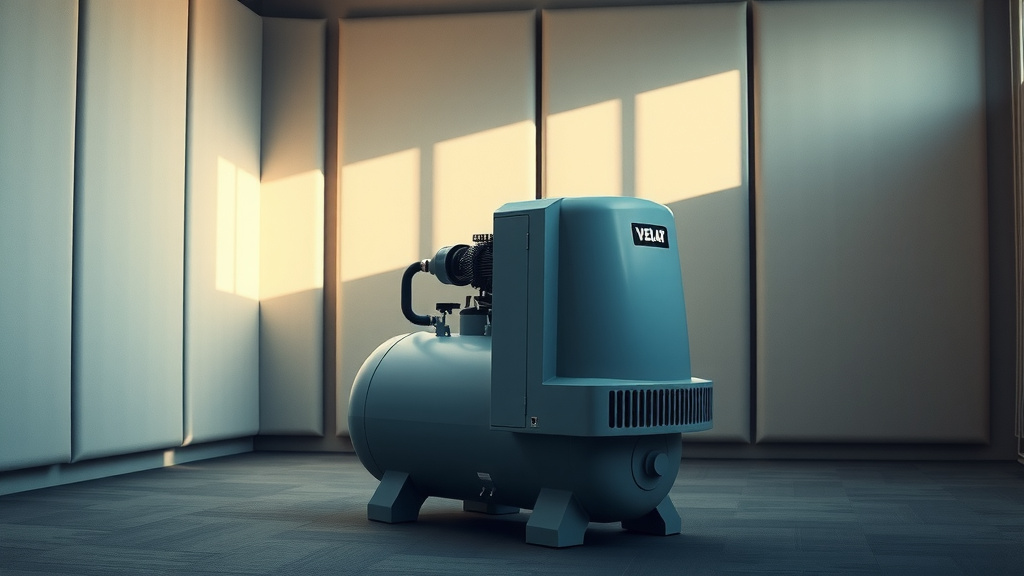
You can effectively soundproof an air compressor by creating an enclosure, isolating vibrations, and absorbing noise with acoustic materials. This approach significantly reduces operational noise.
Focus on both structural barriers and material absorption to minimize sound propagation from your air compressor.
- Understanding your compressor’s noise sources helps target soundproofing efforts.
- Building a robust enclosure with sound-absorbing materials is a common and effective method.
- Don’t forget to address vibrations with isolation pads or mounts.
- Proper ventilation for your compressor enclosure is crucial to prevent overheating.
- Regular maintenance can also help keep your compressor running quieter over time.
How To Soundproof Air Compressor?
Soundproofing your air compressor involves a multi-faceted approach. You need to tackle noise at its source and prevent it from spreading throughout your space. It’s about combining barriers with absorption.
Why Does Your Air Compressor Get So Loud?
Air compressors are incredibly useful tools, but their noise can be a real issue. That high-pitched whine or constant rumble quickly becomes irritating. You might wonder why they’re so loud in the first place, right?
The truth is, many different parts contribute to the racket. Understanding these sources is your first step. It helps you target your soundproofing efforts effectively.
Prolonged exposure to loud noises can even impact your hearing (CDC). That’s a good reason to take this seriously.
Understanding Noise Sources
Before you soundproof, let’s pinpoint where that noise comes from. It’s not just one thing. Often, it’s a symphony of mechanical sounds working together.
The Motor and Moving Parts
The compressor’s motor itself generates a lot of noise. Internal components, like pistons and valves, also create sound as they operate. These parts are constantly moving.
You’ll hear whirring, clanking, and sometimes even a rhythmic thumping. This mechanical noise is a primary contributor to the overall decibel level.
Air Intake and Exhaust
Think about the air rushing in and out of the compressor. The intake port sucks in air, creating a distinct sucking or hissing sound. Then, compressed air is expelled.
Both processes generate significant noise. This is often an overlooked source, but it’s crucial to address. We found that even small mufflers can make a difference here.
Vibration Transmission
Your air compressor vibrates a lot when it runs. These vibrations don’t just stay in the unit. They travel through the floor, walls, and even the air.
This transmitted vibration can amplify the noise. It turns solid surfaces into giant speakers. Isolation is key to stopping this spread.
The Soundproofing Basics: Absorb, Block, Isolate
Soundproofing isn’t magic; it’s physics. You need to use materials and techniques that either absorb sound waves, block them, or prevent vibrations from transferring. Many experts say a combination works best.
Creating an Acoustic Enclosure
Building an enclosure is often the most effective method. You’re essentially putting your compressor in a box. This box acts as a barrier, trapping much of the noise.
But it can’t be just any box. It needs to be designed with soundproofing in mind. Otherwise, you might just create a noisier echo chamber.
Choosing the Right Materials
When building an enclosure, material choice is everything. You want materials that are dense to block sound and soft to absorb it. We found that a layered approach works well.
Common choices include MDF (Medium Density Fiberboard) or plywood for the outer shell. Inside, you’ll want sound-absorbing materials like acoustic foam panels or mass loaded vinyl (MLV). These soft materials soak up sound waves.
Here’s a look at common soundproofing materials:
| Material | Primary Function | Benefits | Considerations |
|---|---|---|---|
| MDF/Plywood | Sound Blocking | Dense, good barrier, sturdy | Heavy, requires sealing |
| Acoustic Foam | Sound Absorption | Lightweight, easy to install, absorbs mid-high frequencies | Less effective on low frequencies, can be flammable |
| Mass Loaded Vinyl (MLV) | Sound Blocking & Absorption | Very dense, flexible, good low-frequency block | Can be expensive, heavy |
| Rubber Isolation Pads | Vibration Isolation | Reduces structural noise transfer, easy to add | Only for vibrations, not airborne noise |
Ensuring Proper Ventilation
This is extremely important! Air compressors generate a lot of heat. If you enclose it without ventilation, it will overheat. This could damage your compressor or even be a fire hazard.
You need to create an airflow path. Consider using baffled vents or small, quiet fans. The vents should be designed to let air through but trap sound. Research often connects proper airflow with equipment longevity (NIH).
Tackling Vibrations Directly
Remember how vibrations turn surfaces into speakers? You need to stop that at the source. This is usually simpler than you think.
Place your compressor on anti-vibration pads or rubber feet. These absorb the vibrations before they can transfer to your floor. Many experts say this is a quick and effective first step.
Silencing Air Intake and Exhaust
You can significantly quiet these noisy points. Consider installing a silencer or muffler on the intake valve. These are designed to reduce the whoosh of air without restricting flow too much.
For the exhaust, a simple hose directing the air away can help. Or, you can build a small, baffled box for the exhaust to flow into. Just make sure there’s no back pressure.
Relocation and Environmental Factors
Sometimes, the easiest solution is to move the compressor. Can it go into a garage or shed away from living areas? The further away it is, the quieter it will seem.
Also, consider the room itself. A concrete room with bare walls will echo loudly. Adding soft furnishings or hanging blankets can absorb some of the sound. This is a simple, cost-effective trick.
DIY Soundproofing Checklist
Ready to get started? Here’s a quick checklist to guide your soundproofing project:
- Check for loose parts on your compressor.
- Place rubber vibration pads under the compressor’s feet.
- Build a sturdy enclosure using dense materials like MDF or plywood.
- Line the enclosure’s interior with sound-absorbing acoustic foam or MLV.
- Install baffled ventilation to allow airflow but block sound.
- Add a muffler or silencer to the air intake.
- Seal any gaps or seams in the enclosure with acoustic caulk.
Maintenance Matters for Quieter Operation
A well-maintained compressor is often a quieter compressor. Worn-out parts, loose screws, or a lack of lubrication can all increase noise levels. Many guidelines point to regular checks as a good first step (Mayo Clinic).
So, regularly inspect your unit. Check hoses, tighten connections, and ensure all parts are working smoothly. A little preventive care can go a long way in keeping the noise down.
Conclusion
Soundproofing an air compressor doesn’t have to be a daunting task. By systematically addressing the sources of noise—from vibrations to air movement and airborne sound—you can create a much quieter work environment. Remember to prioritize safety, especially with ventilation, and choose the right materials for blocking and absorbing sound. A bit of effort now will lead to peaceful operation later.
How effective is soundproofing an air compressor?
Soundproofing can be very effective, often reducing noise by 50% or more, depending on the methods and materials used. A well-constructed enclosure combined with vibration isolation can make a significant difference, transforming a loud machine into a manageable hum.
Can I use regular foam to soundproof my air compressor?
Regular foam, like mattress foam, is generally not ideal. It lacks the density to block sound and may not be fire-rated. Acoustic foam is specifically designed to absorb sound waves and is often safer for use in enclosures. We found that purpose-built materials yield the best results.
Is ventilation important for an enclosed air compressor?
Absolutely crucial. Air compressors generate heat during operation. Without proper ventilation, an enclosed compressor will overheat, leading to potential damage, reduced lifespan, and even fire risks. Always design enclosures with adequate airflow in mind.
What is the cheapest way to make an air compressor quieter?
The most budget-friendly steps include placing the compressor on rubber anti-vibration mats and moving it further away from your workspace. Adding thick blankets or dense carpet scraps around it can offer some temporary absorption, though a dedicated enclosure is more effective.
Are there specific compressor types that are quieter?
Yes, some compressor types are inherently quieter. Oil-free “silent” or “low-noise” compressors are designed with specific components and dampening to reduce operational sound. These models are a great option if you are buying a new compressor and prioritize quiet operation.
