
How To Tell If An Air Compressor Is 2 Stage?
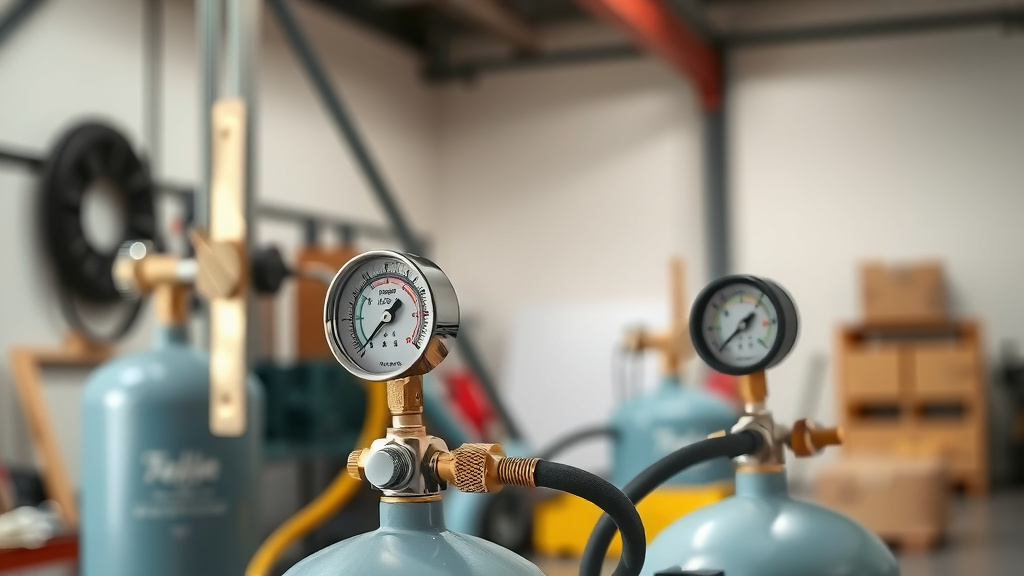
You can tell if an air compressor is 2 stage primarily by looking for two distinct cylinders or pistons of different sizes and a visible intercooler connecting them. These compressors typically have higher PSI output and operate with more efficiency than single-stage models.
A key indicator for a 2 stage air compressor is its ability to compress air twice, first in a larger piston to an intermediate pressure, then cooling it, and finally compressing it further in a smaller, high-pressure piston.
Looking for a quick answer? Here’s the gist of how to spot a 2-stage air compressor:
- Inspect the pump for two pistons or cylinders of different sizes.
- Check for an intercooler, a metal finned tube between the stages.
- Note the compressor’s PSI rating; 2-stage models often go above 120-135 PSI.
- Listen for its operation – a 2-stage usually sounds smoother and runs cooler.
- Review the model’s specifications, often labeled as “two-stage” or “two-pump.”
How To Tell If An Air Compressor Is 2 Stage?
Identifying a 2-stage air compressor usually involves a close look at its pump assembly and understanding its pressure capabilities. You are essentially looking for a two-step air compression process.
Why Does Air Compressor Staging Matter To You?
Understanding stages helps you pick the right compressor for your needs. A 2-stage model offers higher sustained pressure and is more efficient for heavy-duty tasks.
It means your tools will get the consistent airflow they need for longer jobs. This can save you time and money in the long run, as research often points out (Industrial Equipment Guides).
Visual Clues: The Pistons and Cylinders
The most straightforward way to identify a 2-stage compressor is to inspect the pump itself. You will typically see two pistons or cylinders.
Crucially, these pistons are usually of different sizes. One will be larger (the first stage) and the other smaller (the second stage).
Think of it like a relay race: the larger piston does the initial compression, then passes the air to the smaller one for a final push.
The Intercooler: Your Cooling Detective
Between those two pistons, look for a finned metal tube. This component is the intercooler.
Its job is to cool the air after it leaves the first stage of compression. Cooling the air makes the second stage more efficient, allowing for higher pressure output.
If you see an intercooler, it’s a strong sign you are looking at a 2-stage machine. Many experts agree this is a defining feature (Engineering Handbook).
Pressure Ratings: PSI Tells a Story
Another strong indicator is the maximum air pressure, measured in pounds per square inch (PSI). Single-stage compressors typically top out around 120-135 PSI.
Conversely, 2-stage compressors are designed for higher pressure applications. They commonly produce 175 PSI or even more.
Always check the compressor’s data plate or specifications. That number can confirm what you have, giving you peace of mind.
How Does a 2-Stage Compressor Actually Work?
It’s all about two steps to get stronger air pressure. First, the air enters the larger piston, getting compressed to an intermediate pressure.
Then, it travels through the intercooler to reduce its temperature. Finally, the cooled, partly compressed air enters the smaller piston for its final, high-pressure squeeze.
This method is why they are more efficient for demanding tasks, as we found in various industry analyses.
| Compression Stage | Piston Size | Pressure Output |
|---|---|---|
| First Stage | Larger Piston | Intermediate Pressure |
| Second Stage | Smaller Piston | High Pressure |
Sound and Heat: Auditory and Tactile Clues
While not foolproof, a 2-stage compressor often runs smoother and cooler. The two-step compression spreads out the work.
This means less strain on individual components and less heat generated per compression cycle. A single-stage might sound more strained and feel hotter to the touch after extended use.
Check the Spec Plate: The Definitive Answer
For absolute certainty, find the manufacturer’s data plate. This small metal or sticker plate is usually on the compressor pump or tank.
It will list the model number, serial number, and often clearly state “two-stage,” “2-stage,” or “duplex” if it applies. This is your most reliable source of truth.
Two-Stage vs. Single-Stage: Quick Differences
Understanding the basics of both helps you appreciate the differences. Single-stage compresses air once, while 2-stage does it twice.
This distinction affects everything from pressure output to overall efficiency and durability. Think about what you need the compressor for before choosing.
- Single-stage: Simpler, lower PSI, ideal for light tasks.
- Two-stage: More complex, higher PSI, better for continuous, heavy work.
Why Choose a 2-Stage?
If you run air tools frequently or require consistent high pressure, a 2-stage compressor is often the better choice. We found they generally last longer when used for their intended purpose.
They provide the sustained power necessary for paint sprayers, impact wrenches, and sandblasters. It’s about getting the job done right, the first time.
Practical Checklist for Identification
Next time you are checking an air compressor, use this quick list:
- Are there two separate cylinders or pistons?
- Are these pistons clearly different in size?
- Is there a finned metal intercooler between the cylinders?
- Does the pressure gauge or spec plate show 175 PSI or higher?
- Is the data plate clearly labeled “2-stage”?
Common Misconceptions About Staging
Some people confuse having multiple pumps with multiple stages. A compressor can have two single-stage pumps, making it a “duplex” compressor, not necessarily 2-stage.
Always look for the different sized pistons and the intercooler. That’s the real key, as research and industry standards consistently show.
What If You Can’t Tell?
If you’re still unsure, take a picture of the pump and its data plate. You can then consult with the manufacturer’s website or an equipment expert.
It’s always better to be certain, especially if you are investing in a new piece of equipment. Don’t guess; confirm your findings.
Conclusion
Identifying a 2-stage air compressor doesn’t need to be a mystery. By simply looking for two distinct pistons of different sizes, an intercooler, and checking the PSI rating, you can usually figure it out.
Always double-check the manufacturer’s specifications for absolute certainty. Knowing your compressor’s stage helps ensure you have the right tool for the job, providing efficient and reliable compressed air when you need it most.
Does a 2-stage air compressor use more electricity?
While a 2-stage compressor generally delivers higher performance, it might use slightly more electricity for its increased output and efficiency compared to a single-stage model running at its peak. However, for continuous, heavy-duty tasks, its efficiency often means less run time for the same work, potentially balancing energy use.
Are all vertical air compressors 2-stage?
No, not all vertical air compressors are 2-stage. The orientation of the tank (vertical or horizontal) does not determine the number of compression stages. Many manufacturers produce both single-stage and 2-stage compressors in vertical tank configurations.
Can I convert a single-stage compressor to a 2-stage?
No, you cannot convert a single-stage compressor to a 2-stage compressor. The internal design of the pump, including the different piston sizes and the need for an intercooler, is fundamentally different. It would require replacing the entire pump assembly, making it impractical and costly.
What are the main advantages of a 2-stage air compressor?
The primary advantages of a 2-stage air compressor include higher PSI output, greater efficiency for sustained use, longer lifespan for demanding applications due to less heat build-up, and cooler air output. These benefits make them ideal for industrial and professional settings.
How do I maintain a 2-stage air compressor for longevity?
To keep your 2-stage air compressor running well for years, regularly check and change the oil, clean or replace air filters, drain condensation from the tank after each use, inspect belts and hoses, and keep the intercooler fins clean. Following the manufacturer’s maintenance schedule is always your best bet.
