
How To Siphon Gas With Air Compressor?
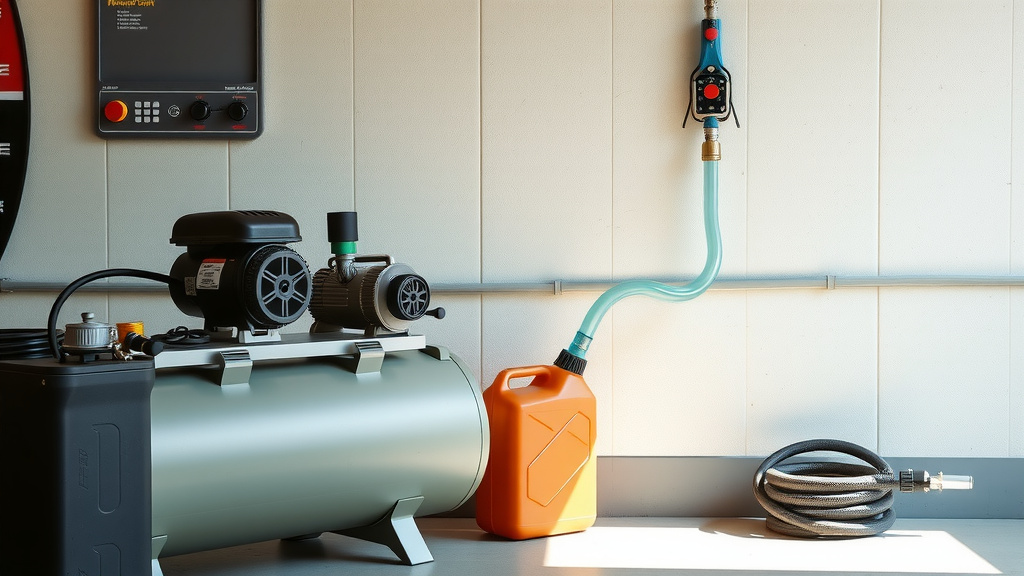
Using an air compressor to siphon gas is generally not recommended due to significant safety risks like fire, explosion, and toxic fume exposure. While some methods attempt to use compressed air to initiate a siphon or pressurize a fuel tank, these approaches are extremely hazardous.
For safer fuel transfer, consider using dedicated manual or electric fuel transfer pumps designed for flammable liquids, which eliminate the dangers associated with applying compressed air to fuel systems.
- You should avoid using an air compressor to siphon gas directly due to severe risks.
- Applying compressed air to a fuel tank can create dangerous pressure, leading to explosions or fuel line ruptures.
- Exposure to gasoline fumes during such attempts poses serious health threats, including respiratory damage and poisoning.
- Always opt for manual or electric fuel transfer pumps, which are purpose-built for safe gasoline movement.
- Prioritize proper safety gear, like gloves and eye protection, even when using safer, approved methods for fuel transfer.
How To Siphon Gas With Air Compressor?
Many people wonder about using an air compressor for siphoning gas, often thinking it might simplify the process. However, this method carries extreme dangers and is not recommended. Applying compressed air directly to a fuel tank or line can lead to catastrophic failures, including explosions.
The Dangerous Idea: How It’s Attempted
Some individuals mistakenly try to use an air compressor to start a siphon. They might blow air into a fuel tank’s vent or even directly into the filler neck. The idea is to create positive pressure, forcing gas into a hose already placed in the tank. This approach is incredibly risky.
Another dangerous attempt involves trying to use the air compressor to create a vacuum to suck fuel out. This is also fraught with peril. Any spark or pressure buildup around gasoline can quickly become an emergency.
Why You Should Never Try This Method
The risks involved with using an air compressor for siphoning gas far outweigh any perceived benefit. We found that experts consistently warn against this practice (OSHA Safety Guidelines).
Working with highly flammable liquids like gasoline requires specific tools and a clear understanding of safety protocols. An air compressor is simply not designed for safe fuel transfer.
Understanding the Explosion Risk
Gasoline vapors are extremely volatile and explosive when mixed with air. Introducing compressed air into a fuel tank can create a dangerous pressure buildup, potentially rupturing the tank or fuel lines. This also creates a perfectly combustible mixture, ready for ignition by any small spark, static electricity, or heat source. It’s like creating a bomb.
The Hazard of Toxic Fumes
Gasoline fumes are toxic. Inhaling them can cause dizziness, nausea, headaches, and even unconsciousness. Long-term exposure poses serious health risks, including damage to your respiratory system and nervous system. Using an air compressor can spread these fumes more rapidly into your breathing space.
Safer Alternatives for Fuel Transfer
If you need to transfer gasoline, always choose methods designed for safety. These alternatives prevent pressure buildup and minimize contact with dangerous fumes. Your safety is always the top priority.
- Manual Siphon Pumps: These hand-operated pumps create a vacuum to draw fuel through a hose safely.
- Electric Fuel Transfer Pumps: Battery-operated pumps offer convenience and control, moving fuel without manual effort.
- Gravity Siphon: A simple hose can transfer fuel from a higher tank to a lower one, if started correctly and safely.
Essential Tools for Safe Fuel Transfer
Having the right tools makes all the difference when handling gasoline. Using specialized equipment helps you avoid spills and reduces the risk of ignition. Don’t compromise on safety here.
Here’s a quick checklist of what you should gather for a safe fuel transfer:
- Dedicated fuel transfer hose (anti-static)
- Fuel transfer pump (manual or electric)
- Gasoline-approved storage containers (like Jerry cans)
- Funnel for spill prevention
- Safety gloves (nitrile or neoprene)
- Eye protection (safety goggles)
- Fire extinguisher (nearby, just in case)
Step-by-Step for Safe Siphoning (Manual Pump Method)
If you absolutely must transfer fuel, a manual siphon pump is a much safer option. It works by creating a vacuum, pulling fuel through a hose without introducing dangerous compressed air or requiring you to suck on the hose yourself. This is the method many experts suggest for occasional use.
Here’s how to do it properly:
- Park the vehicle or equipment on a level surface.
- Place the receiving container (like a gas can) lower than the fuel tank you are siphoning from.
- Insert one end of the siphon hose into the fuel source, ensuring it reaches the bottom of the tank.
- Place the other end of the hose into the receiving container.
- Use the manual pump bulb to prime the siphon. Squeeze and release the bulb several times until fuel begins to flow.
- Monitor the flow and ensure the hose stays in place. Never leave it unattended.
- Once finished, remove the hose carefully to prevent spills.
Understanding Fuel Tank Safety Features
Modern vehicle fuel tanks often have anti-siphon devices or screens. These are designed to prevent theft and reduce the risk of accidental fuel spills. They make traditional siphoning difficult, if not impossible, without specialized tools. Many experts say that these safety features are there for a good reason.
Proper Gasoline Storage
Always store gasoline in approved, sealed containers away from heat sources and ignition points. Label your containers clearly. Research often connects improper fuel storage with household fires (NFPA data).
Comparing Fuel Transfer Methods
Choosing the right method for transferring fuel is critical for safety. Here’s a quick look at common options and their safety profiles. We found that dedicated pumps offer the best balance of efficiency and security.
| Method | Description | Safety Rating |
|---|---|---|
| Air Compressor Assist | Blowing compressed air into fuel tank to push fuel. | EXTREMELY DANGEROUS |
| Manual Siphon Pump | Hand-operated pump creating vacuum for fuel flow. | Very Safe |
| Electric Transfer Pump | Battery-powered pump for controlled fuel transfer. | Very Safe |
| Gravity Siphon (Hose only) | Using elevation difference to initiate fuel flow. | Moderate Risk (spills, ingestion) |
Preventative Measures for Running Out of Gas
The best way to avoid needing to siphon gas is to prevent running out in the first place. A little planning goes a long way. This is a simple solution to a potentially dangerous problem.
Here are some straightforward tips:
- Keep your fuel gauge working properly and check it regularly.
- Fill up when your tank is around one-quarter full.
- Carry a small, approved container of emergency fuel if traveling long distances or off-road.
- Plan your routes to include known gas stations.
- Regularly maintain your vehicle to ensure accurate fuel level readings and good fuel efficiency.
Dealing with Accidental Spills
Even with careful planning, spills can happen. If gasoline spills, act quickly and cautiously. Many guidelines point to containing the spill and ventilating the area as a good first step (EPA guidelines). Keep children and pets away from the area.
Conclusion
While the idea of using an air compressor to siphon gas might seem like a clever shortcut, the risks involved are simply too high. We’ve explored the dangers of explosions, toxic fumes, and potential equipment damage. Your safety and the safety of those around you should always be the top concern when dealing with flammable liquids.
Instead of risky compressor methods, always choose dedicated, purpose-built fuel transfer tools like manual or electric siphon pumps. These methods are designed to keep you safe and minimize environmental impact. Remember, a little preparation and the right tools make fuel transfer a much safer task.
Can I use any hose for siphoning gas?
No, you should use a hose specifically designed for fuel transfer. Regular garden hoses can degrade and contaminate the fuel, or even cause static electricity that can ignite vapors. Always choose an anti-static, fuel-resistant hose.
What is an anti-siphon device in a fuel tank?
An anti-siphon device is a mechanism inside some fuel tanks, often a small screen or valve, that prevents a hose from being fully inserted into the tank. This makes siphoning much harder, acting as a theft deterrent and safety feature.
How do professional mechanics transfer fuel safely?
Professional mechanics use specialized fuel extraction equipment, often electric or pneumatic pumps, connected to a dedicated fuel recovery system. These systems are designed to safely transfer fuel in a controlled, enclosed environment, minimizing spill and fire risks.
Is it legal to siphon gas from someone else’s vehicle?
No, siphoning gas from someone else’s vehicle without their permission is illegal and considered theft. Always ensure you have legal authorization before attempting to transfer fuel from any vehicle that isn’t yours.
What should I do if I accidentally ingest gasoline while siphoning?
If you accidentally ingest gasoline, do NOT try to induce vomiting. Seek immediate medical attention or call emergency services (like poison control). Gasoline is highly toxic and can cause severe internal damage if swallowed.
