
How To Test Air Compressor Governor?
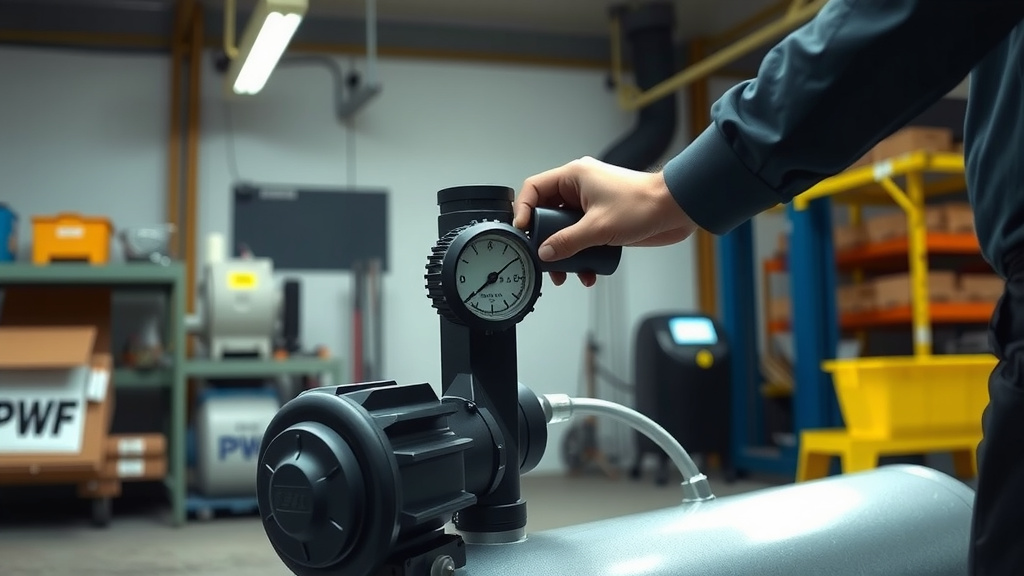
To test an air compressor governor, you will typically listen for the unloader valve’s behavior as pressure builds and releases. A working governor ensures your compressor cycles correctly, stopping air intake when tank pressure reaches its set point.
You’ll check for proper unloading and loading, inspecting for air leaks or mechanical sticking that might prevent it from regulating air flow as intended.
- The air compressor governor manages your compressor’s on/off cycle, keeping tank pressure just right.
- Testing involves observing its behavior: does the unloader valve hiss, and does the compressor stop pumping at the right pressure?
- You’ll want to check for air leaks, sticky parts, or incorrect settings, which are common culprits.
- Safety is paramount, so always depressurize and disconnect power before any hands-on inspection.
- If the governor fails these checks, replacement is often the most straightforward solution for proper function.
How To Test Air Compressor Governor?
Testing your air compressor governor involves a careful observation of how your compressor builds and maintains air pressure. It’s about checking if it knows when to pump and when to rest.
What Exactly Does an Air Compressor Governor Do?
Think of the governor as the air compressor’s brain for pressure regulation. It controls when the compressor loads (pumps air) and unloads (stops pumping air into the tank).
Its main job is to maintain the pressure within a safe and efficient range. Without it, your compressor might run constantly or over-pressurize the tank.
Signs Your Governor Might Be Acting Up
Is your compressor running non-stop or failing to build pressure? These are big red flags. You might also notice the unloader valve not releasing air when it should.
Sometimes, the compressor might cycle on and off too frequently. These symptoms often point directly to a problem with the governor.
Safety First: Before You Start
Before you lay a hand on anything, safety is absolutely crucial. Always turn off and unplug your air compressor from its power source.
Make sure to drain all air from the tank completely. You want zero pressure inside. This prevents accidental starts or sudden bursts of air, keeping you safe.
Tools You’ll Need for the Test
You won’t need a huge toolbox for this job. A few simple items will usually suffice. We found that a wrench set, a screwdriver, and perhaps a spray bottle with soapy water are often helpful.
Having a clean rag nearby is also a good idea. Sometimes, a mechanic’s stethoscope can help pinpoint subtle air leaks, too (Popular Mechanics).
Step 1: The Visual Inspection
Begin with your eyes. Look closely at the governor and its connecting lines. Are there any obvious cracks, kinks, or worn-out hoses?
Check for loose connections around the governor assembly. Sometimes, a simple loose fitting can cause all sorts of pressure problems.
Step 2: Listen for the Unloader Valve’s Hiss
With the compressor running and building pressure, pay close attention when it reaches its cut-out pressure. You should hear a distinct hiss of air.
This hiss comes from the unloader valve, which is actuated by the governor. If you don’t hear it, or it sounds weak, that’s a clue.
Step 3: Checking Pressure Settings
Does your compressor have an adjustable pressure switch or governor? If so, check its current settings. Ensure they align with your intended operating pressure range.
Many experts say an incorrect setting can mimic a faulty governor (Compressed Air Magazine). Make sure it’s not set too high or too low.
Step 4: The Unloading Function Test
This is a core test. Start the compressor and let it build up to its maximum pressure, then watch it cut off. Does the motor stop pumping effectively?
The unloader should release residual air pressure from the compressor head, making the next start easier. If it doesn’t, the governor might not be sending the signal.
Step 5: Using Soapy Water for Leak Detection
Small air leaks can trick you into thinking your governor is bad. Mix some dish soap with water in a spray bottle. With the compressor off and depressurized, spray around the governor and all connecting lines.
Look for bubbles forming. Bubbles mean air is escaping. Even a tiny leak can impact your governor’s performance and pressure readings.
When to Consider a Replacement
If you’ve gone through these steps and your governor still isn’t behaving, replacement is often the next logical step. Governors are usually not repairable.
Many experts suggest that trying to fix a faulty governor can be more trouble than it’s worth. A new one ensures reliable operation and safety (Gardner Denver manuals).
Maintenance Tips for a Happy Governor
Keeping your governor happy extends its life. Regularly check for loose fittings and keep the area clean. Dust and debris can sometimes hinder its moving parts.
Also, ensure your air filters are clean. A clogged filter makes the compressor work harder, potentially impacting the governor’s longevity.
Troubleshooting Common Governor Problems
Here’s a quick overview of issues and what they might mean:
- Compressor runs continuously: Often indicates the governor isn’t reaching cut-out pressure, or the unloader valve is stuck closed.
- Compressor cycles too frequently: Could be a slow leak in the system, or the governor’s pressure differential is set too narrow.
- No air release from unloader: The governor might not be signaling the unloader, or the unloader itself is blocked.
- Low pressure output: While many things cause this, a governor stuck in “unloaded” mode could be a culprit.
Governor Checklist: Pre-Test Readiness
Before you dive deep into testing, run through this quick list:
- Compressor is unplugged and depressurized?
- All air lines and connections visually checked?
- Pressure switch settings confirmed?
- Soapy water bottle ready for leaks?
- Safety goggles and gloves are on?
Symptoms and Potential Governor Issues Table
Understanding what your compressor is telling you can help. We found this table often simplifies diagnostics:
| Symptom | Potential Governor Problem |
|---|---|
| Compressor runs non-stop, never cuts out. | Governor not actuating unloader, or unloader stuck. |
| Compressor won’t build full pressure. | Governor stuck in “unloaded” position, or a significant leak. |
| Loud hiss of air after cut-out. | Normal operation, but a continuous hiss could mean a leak. |
| Unloader valve doesn’t hiss at cut-out. | Governor not sending signal, or unloader valve failure. |
| Compressor cycles on/off very rapidly. | Governor pressure differential too tight, or system leak. |
Conclusion
Testing your air compressor governor doesn’t have to be a guessing game. By following these practical steps, you can pinpoint issues with confidence. Remember, safety always comes first, so disconnect power and drain air every time. Visual inspections, listening for the unloader, and checking for leaks are your best friends in this process. If it’s truly faulty, replacing the governor is a straightforward path to getting your compressor back to peak performance. You’ve got this!
How do I know if my air compressor unloader valve is bad?
You can tell an unloader valve might be bad if the compressor struggles to start under load, or if air continuously leaks from the unloader tube when the compressor is off and the tank is pressurized. If the compressor doesn’t shut off at its cut-out pressure, but instead just keeps running, the unloader valve could be stuck closed.
Can a bad air compressor governor cause low pressure?
Yes, a bad air compressor governor can absolutely cause low pressure. If the governor is stuck in an “unloaded” position, it prevents the compressor from effectively pumping air into the tank, leading to a noticeable drop in the overall output pressure, or it might not build pressure at all.
What is the difference between a pressure switch and a governor on an air compressor?
The pressure switch directly turns the compressor motor on and off based on tank pressure, handling the main electrical circuit. The governor, however, regulates the compressor’s air intake, typically working with the unloader valve to stop the compressor from pumping air when the tank is full, allowing the motor to run freely and reduce strain before the pressure switch cuts power.
Can an air compressor governor be repaired?
Generally, air compressor governors are not designed for repair. They often contain sealed components or intricate internal mechanisms that make repair impractical or impossible for most users. If a governor is found to be faulty after testing, the common and recommended solution is usually to replace the entire unit to ensure proper and safe operation.
How much does it cost to replace an air compressor governor?
The cost to replace an air compressor governor can vary significantly depending on the compressor’s make, model, and size. Parts alone can range from $30 to $150 or more for larger, more specialized units. If you hire a professional for the replacement, labor costs would be an additional expense, potentially adding another $50 to $150 or higher, depending on the mechanic’s rates.
