
How To Test Air Compressor On Semi Truck?
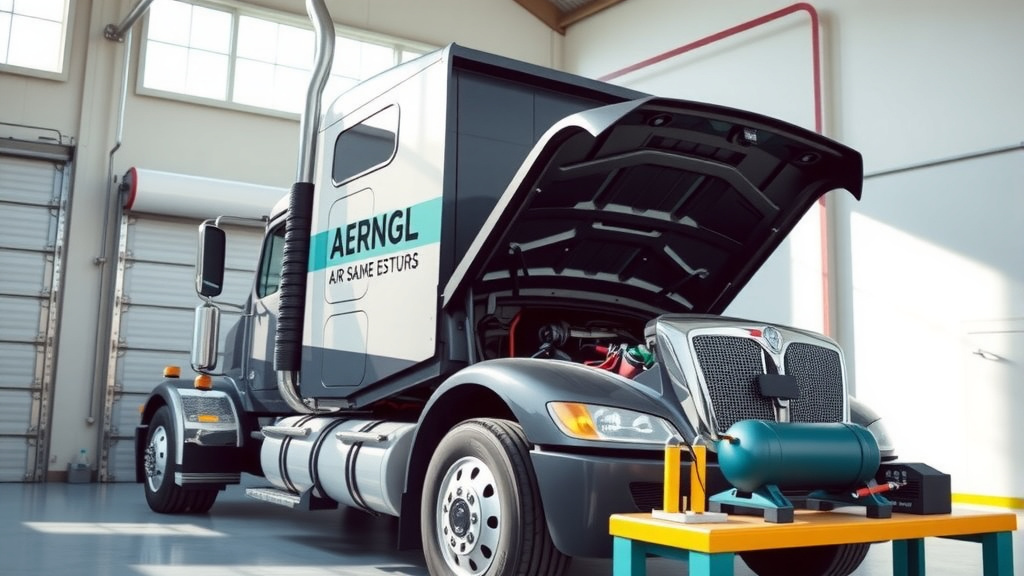
To test an air compressor on a semi truck, you typically observe its ability to build and maintain air pressure, listening for the governor’s cut-in and cut-out points, and checking for leaks or contaminants. You’re looking for consistent performance and proper pressure regulation.
This process often involves monitoring your dash gauges, performing a static air loss test, and using a soapy water solution to find any external leaks in the air system.
Here’s a quick overview of what you’ll find in this guide:
- You’ll learn why your semi’s air compressor is so vital.
- We’ll cover the common signs that tell you something might be wrong.
- You’ll get a simple, step-by-step guide to test the compressor’s function.
- We’ll talk about safety measures before you begin any work.
- Discover when it’s time to call in the professionals.
How To Test Air Compressor On Semi Truck?
Testing your semi truck’s air compressor means checking its ability to generate and hold air pressure effectively. You want to confirm it builds pressure consistently and the governor functions correctly.
Why Your Semi’s Air Compressor Matters
Your semi truck’s air compressor is like its heart, constantly pumping air. This air powers your brakes, air ride suspension, and even the air horn. Without a properly working compressor, your truck isn’t just inefficient; it’s unsafe.
Many experts say a faulty compressor can lead to serious roadside issues (FMCSA guidelines). You really depend on this unsung hero every mile.
Common Signs of Air Compressor Trouble
Spotting trouble early can save you a lot of headache and money. What should you look for?
Think about your truck’s behavior. Is anything out of the ordinary? These small clues can point to a bigger problem brewing.
Air Pressure Drops Unexpectedly
Do you notice your air pressure gauge dropping too quickly? This can be a significant sign. If your tanks lose air faster than they should, your compressor might be struggling. Perhaps it can’t keep up with demand.
Unusual Noises from the Engine Bay
Listen closely when your truck is running. Are there new rattling, hissing, or knocking sounds coming from the engine area? We found that these noises often suggest internal wear or problems within the compressor itself. It’s like your truck is trying to tell you something.
Moisture or Oil in Air Lines
This is a big red flag. If you drain your air tanks and see excessive water, or worse, oil, something is wrong. Many experts agree that oil in the air system indicates issues with the compressor’s piston rings or cylinder head (SAE International research). This can cause major damage to other components.
Safety First: Before You Start Testing
Before you get started, safety is not an option; it’s a must. You are working with a powerful machine and high-pressure air. Always put your well-being first.
Park your truck on a flat, stable surface. Chock the wheels to prevent any accidental movement. Ensure the engine is off and cooled down before touching any components. Think of it like preparing for a big task; you need the right setup.
Gathering Your Testing Tools
You don’t need a huge arsenal of tools. A few simple items will do the trick:
- A reliable air pressure gauge (if your dash gauge is suspect)
- Soapy water in a spray bottle
- A flashlight
- Gloves and safety glasses
- Chock blocks for wheels
Having these ready makes the process smooth. It’s like having all your ingredients before baking a cake.
Step-by-Step Testing Process
Ready to roll up your sleeves? Let’s walk through the actual testing process. We’ll tackle this in easy steps.
Checking Air Pressure Build-Up
This is your first basic test. It tells you how well your compressor generates air. You want to see consistent, steady pressure gains. Is it a slow climb or a quick rise?
Observing the Pressure Gauge
Start your truck’s engine. Watch your dash air pressure gauges closely. Time how long it takes for the pressure to build from 85 PSI to 125 PSI. Many guidelines point to a build-up time of around 45 seconds or less for dual air systems (Commercial Vehicle Safety Alliance). If it takes significantly longer, your compressor might be weak.
The Governor Cut-In and Cut-Out Test
The air compressor governor is like a traffic cop for your air system. It tells the compressor when to start pumping and when to stop. This test confirms it’s doing its job.
Listening for the Governor’s Action
Let the air pressure build up. You should hear a “hiss” sound, indicating the governor cut-out, usually around 125 PSI. Then, fan your brakes a few times to drop the pressure. The governor should cut back in, typically around 100 PSI. If these points are off, or if you hear no sound, your governor might need attention.
Leak Detection: A Crucial Step
A strong compressor can still struggle if your system has leaks. Think of it like trying to fill a bucket with holes; the water keeps escaping. We found that air leaks are a very common problem on semi trucks.
Here’s a simple way to find them:
| Leak Check Area | What to Look For |
|---|---|
| Air Tanks | Bubbles at seams, drain valves |
| Air Lines & Hoses | Bubbles along the length, at connections |
| Fittings & Valves | Bubbles at threaded points, valve bodies |
| Brake Chambers | Bubbles around diaphragms, clamps |
The Soapy Water Method
With your system at full pressure, spray a mixture of soapy water on all air lines, fittings, and tanks. Look for bubbles forming. Any bubbles mean an air leak. This method is simple but incredibly effective. It’s like finding a small puncture in a tire.
Inspecting for Oil in Air Tanks
Remember how we mentioned oil as a red flag? Here’s how you check. Drain your air tanks regularly. If you consistently find an oily residue or more than a small amount of water, it points to the compressor. Research often connects oil in air tanks with internal compressor wear (Parker Hannifin resources).
This isn’t a direct test of compressor function, but it indicates its health. It tells you if the compressor is contaminating your air system.
When to Call a Professional
Sometimes, despite your best efforts, the problem is bigger than a simple fix. When should you hand it over to the pros? If you’ve done these checks and still can’t pinpoint the issue, or if the problem seems complex, it’s wise to get expert help. Don’t risk further damage or compromise safety. They have specialized tools and knowledge. It’s okay to ask for help; it’s like a doctor asking for a second opinion.
Here’s a quick checklist to see if your air compressor is working well:
- Does pressure build from 85 to 125 PSI in under 45 seconds?
- Does the governor cut out at approximately 125 PSI?
- Does the governor cut in at approximately 100 PSI?
- Are there no significant air leaks found with soapy water?
- Do your air tanks drain mostly water, with no oil present?
Conclusion
Understanding how to test your semi truck’s air compressor is a valuable skill for any driver or owner-operator. By routinely checking its performance, listening for clues, and staying vigilant for leaks or contamination, you can keep your truck running safely and efficiently. Remember, proactive maintenance saves time and money down the road. You’re not just checking a part; you’re ensuring your journey is smooth and secure. Stay safe out there!
Can a bad air compressor cause ABS lights to come on?
Yes, a failing air compressor can indirectly trigger ABS warning lights. If the compressor struggles to maintain adequate air pressure for the brake system, the truck’s Electronic Braking System (EBS) or Anti-lock Braking System (ABS) might detect insufficient pressure and activate a warning light. It’s a chain reaction: low air pressure impacts brake function, which then affects the sensors.
How often should I drain my semi truck’s air tanks?
You should drain your semi truck’s air tanks daily, especially in colder or humid weather. This simple task removes accumulated moisture and helps prevent rust and contamination in your air brake system. Many fleet maintenance guidelines recommend this practice as a vital part of routine checks.
What’s the normal operating pressure for a semi truck air system?
A semi truck’s air system typically operates between 100 and 125 PSI (pounds per square inch). The governor usually cuts in around 100 PSI, signaling the compressor to start pumping, and cuts out at about 125 PSI, telling it to stop. This range ensures optimal function for your brakes and other air-powered components.
Can I drive my semi truck with a failing air compressor?
Driving with a failing air compressor is very risky and not recommended. While your truck might have reserve air in the tanks, a failing compressor means you cannot replenish that air. This can lead to dangerously low air pressure, causing your brakes to become ineffective or even lock up. It’s a safety hazard you should avoid at all costs.
What’s the difference between a cut-in and cut-out pressure?
The cut-in pressure is the point at which the air compressor governor signals the compressor to start building air pressure, typically around 100 PSI. The cut-out pressure is when the governor tells the compressor to stop pumping because the system has reached its maximum safe pressure, usually around 125 PSI. These two points define the normal operating range for your air system.
