
How To Test Air Compressor Pump?
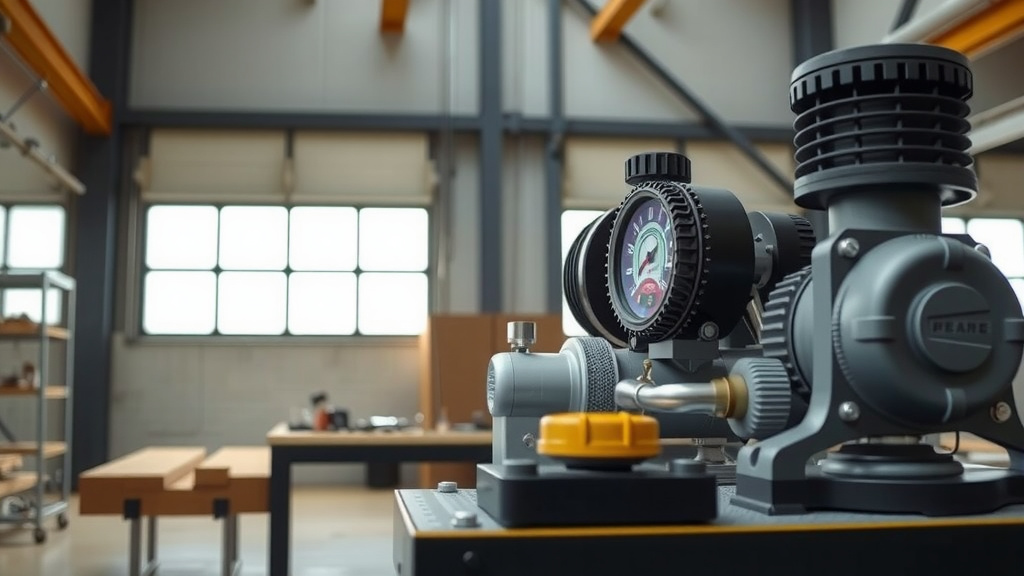
To test an air compressor pump, you typically begin with a visual inspection for leaks or damage, then listen for unusual noises, and finally check the pressure switch and system components like check valves.
A failing air compressor pump often shows symptoms like slow tank filling, constant running, or noticeable air leaks, indicating a need for a thorough diagnostic check.
Here’s a quick overview of what you’ll find in this guide:
- Quickly identify common air compressor pump issues.
- Learn essential diagnostic steps for your pump.
- Discover simple tools you’ll need for testing.
- Address performance problems effectively and safely.
- Keep your air compressor running smoothly with practical advice.
How To Test Air Compressor Pump?
Testing your air compressor pump involves checking for leaks, listening for unusual sounds, and verifying key component functions to ensure efficient operation.
So, you suspect your air compressor pump might be struggling? It’s a common worry. We understand how frustrating it feels when your trusty tool doesn’t perform as it should. Don’t worry, diagnosing pump problems is often easier than you think. Let’s get to the bottom of it!
Why Is Your Air Compressor Pump Acting Up?
Air compressor pumps are the heart of your system. They work hard, pushing air constantly. Sometimes, after a lot of use, they start to wear down. This can show up in different ways, like your tank taking forever to fill.
You might notice your compressor runs more than usual. Or perhaps it simply isn’t reaching its usual pressure. These are all signs the pump needs some attention. Ignoring these cues can lead to bigger, more costly problems down the road. We want to help you catch them early.
Common Signs of a Struggling Pump
What are you experiencing right now? Is your compressor making weird noises? Many experts say that unusual clanking or grinding sounds often point to internal wear. Perhaps your air output feels weaker than before. This might signal a problem with the pump’s ability to create pressure (Industry observations).
Are you seeing oil leaks around the pump body? This is a definite red flag. We find that visible leaks usually mean seals or gaskets need replacing. Keeping an eye out for these straightforward signs can save you a lot of guesswork.
Safety First: Before You Begin Any Test
Before you even think about touching your air compressor, make safety your top priority. You’re working with electricity and compressed air, which can be dangerous. Always start by unplugging the compressor from its power source.
Next, make sure to bleed all the air from the tank. You can usually do this by opening the drain valve or pulling the safety relief valve. This step is non-negotiable for your safety. We’ve found that many common accidents happen when people skip this critical step (Workplace Safety guidelines).
Tools You’ll Need For Testing
Gathering your tools beforehand makes the testing process much smoother. You won’t need anything too fancy. A few basic items will usually get the job done. Here’s what we suggest keeping handy:
- A good quality soap and water solution (for leak detection).
- A flashlight to see into tight spots.
- Basic hand tools like wrenches or screwdrivers.
- An air pressure gauge (if you don’t trust the built-in one).
- A rag or two for cleaning.
Step-By-Step: How To Test Your Air Compressor Pump
Ready to start? Let’s walk through the process together. Take your time with each step. Patience is key when diagnosing mechanical issues.
Visual Inspection: Look For The Obvious
Your eyes are your first and best diagnostic tool. With the compressor unplugged and depressurized, take a good look at the pump. Are there any cracks or visible damage to the pump housing? Do you see oil pooling anywhere? This could point to a bad seal.
Check all the hoses and connections. Are they firmly attached? A loose connection can cause a significant air leak, leading to pressure loss. We often find that a quick visual check can spot many straightforward issues (Maintenance guides).
Listen Closely: The Sound Test
Plug your compressor back in, but don’t turn it on fully yet. Just let it cycle to build pressure. Listen carefully as it runs. Does it sound normal? Any new clicks, clangs, or grinding noises? A squealing sound might suggest a loose belt if your model has one.
Many people find that a metallic knocking sound often indicates internal piston or rod issues. Pay attention to the sound the motor makes too. If it sounds like it’s struggling to start, that could be a separate electrical problem, not necessarily the pump itself.
The Soap Bubble Test: Finding Leaks
This is a classic and very effective way to find air leaks. Mix some dish soap with water in a spray bottle. With the compressor building pressure, spray this solution generously over all the connections, hoses, and seams around the pump and tank.
What are you looking for? Tiny bubbles forming and growing. These bubbles betray the exact location of an air leak. It’s like finding a treasure map, but for air! We found this method to be incredibly reliable for even the smallest leaks (DIY mechanics forums).
Checking the Check Valve
The check valve is a small, but very important, component. It allows air to flow from the pump into the tank but stops it from flowing back. If this valve fails, air will leak back out of the tank, making the pump run constantly. How can you test it?
Bleed the tank air again. Remove the line connecting the pump to the tank. You should be able to blow air *into* the tank easily, but not *out* of it. If air comes out, your check valve is likely faulty and needs replacing. Many experts agree this is a common point of failure (Repair manuals).
Pressure Switch Test
The pressure switch tells your compressor when to turn on and off based on tank pressure. If your compressor isn’t building pressure, or won’t shut off, the switch might be bad. How to test it?
Watch your pressure gauge as the compressor fills the tank. Does it reach the cut-out pressure and then stop? If it keeps running past the set pressure, or never reaches it and cuts out too early, the switch might be faulty. Sometimes, adjusting the switch can help, but often replacement is the solution. We often find that dirty contacts on the switch can cause issues.
Compressor Pump Performance Check
This test focuses on how long it takes your pump to fill the tank. Start with an empty tank (0 PSI). Turn on the compressor and time how long it takes to reach its maximum cut-off pressure. Refer to your compressor’s manual for its typical fill time. If it takes significantly longer, your pump might be wearing out or has reduced efficiency. This could be due to worn piston rings or damaged valves within the pump (Manufacturer guidelines).
Here’s a quick overview of potential issues and their common fixes:
| Symptom | Possible Issue | What To Do |
|---|---|---|
| Constant running, slow fill | Air leak, faulty check valve | Soap test, check valve replacement |
| Not reaching max pressure | Worn piston rings, poor intake valve seal | Internal pump repair/rebuild (often needs professional) |
| Loud grinding/knocking noise | Worn bearings, broken connecting rod | Internal pump repair/replacement |
| Compressor won’t shut off | Faulty pressure switch | Adjust or replace pressure switch |
| Oil leaks around pump | Bad gaskets or seals | Replace specific gaskets/seals |
Troubleshooting Checklist
Having a quick checklist can help you stay organized during the testing process. This way, you won’t miss any critical steps. It’s like a pilot’s pre-flight routine—simple but essential!
- Disconnect power and drain air before starting?
- Visually inspected pump for damage/leaks?
- Listened for unusual noises during operation?
- Performed soap bubble test on connections?
- Tested the check valve for backflow?
- Verified pressure switch operation?
When to Call a Pro?
You’ve done your best, and you’ve followed all the steps. What if the problem still persists? Don’t feel bad! Some issues are just beyond the scope of a DIY fix. For instance, if you suspect internal pump damage like worn piston rings or bearings, that often requires special tools and expertise.
Many people find that dealing with motor issues or complex electrical faults is best left to a qualified technician. Sometimes, the cost of parts and your time might outweigh the benefit of doing it yourself. It’s okay to know your limits and seek professional help. We found that trying to fix complex internal problems without the right experience can sometimes cause more damage (Service technician advice).
Conclusion
Testing your air compressor pump doesn’t have to be a daunting task. By following these simple, systematic steps—from a thorough visual inspection and listening for clues, to performing the soap bubble test and checking key components like the check valve—you can effectively diagnose many common problems. Remember, safety is paramount, so always disconnect power and drain air first. Catching issues early can extend the life of your compressor and save you money in the long run. Keep these tips handy, and you’ll be well-equipped to keep your air compressor running strong.
How do I know if my air compressor pump is failing?
You can tell your air compressor pump is failing if it takes much longer to fill the tank, runs constantly without reaching its cut-off pressure, makes unusual noises like grinding or knocking, or if you notice oil leaks around the pump body.
Can I test an air compressor pump without special tools?
Yes, you can perform many basic tests with common household items. A visual inspection, listening for unusual sounds, and using a simple soap and water solution for leak detection are all effective methods that don’t require specialized tools.
What is the most common cause of air compressor pump failure?
The most common causes of air compressor pump failure often include worn piston rings, faulty check valves, air leaks in hoses or connections, and general wear and tear from prolonged use. Lack of proper maintenance, like infrequent oil changes, can also contribute.
How often should I test my air compressor pump?
While there’s no strict schedule, it’s a good idea to perform a quick visual and auditory check before each major use or at least monthly if used regularly. A more thorough diagnostic test, like checking for leaks, can be done every few months or whenever you notice a decline in performance.
Is it worth repairing an old air compressor pump, or should I replace it?
Whether to repair or replace depends on the severity of the damage and the cost of parts and labor. For minor issues like a faulty check valve or small leaks, repair is often cost-effective. However, if the pump requires extensive internal repairs, such as piston or crank assembly replacement, buying a new compressor might be the more economical choice (Consumer Reports).
