Air Compressor vs Air Dryer: What Is the Difference? (October 2026)
An air compressor makes pressurized air; an air dryer removes moisture from that air. Most workshop systems need a compressor first, then a dryer when water in the air could affect tools, paint, or the finished work.
On this page (9 sections)
- Air Compressor vs Air Dryer: What Is the Difference?
- Air compressor vs air dryer: what does each one do?
- Why does compressed air get wet?
- When do you need an air dryer?
- What kinds of air dryers are used with compressors?
- What else belongs in a compressed-air system?
- Which should you buy first?
- How should you plan a workshop air system?
- Air compressor vs air dryer: which one do you need?
Air Compressor vs Air Dryer: What Is the Difference?
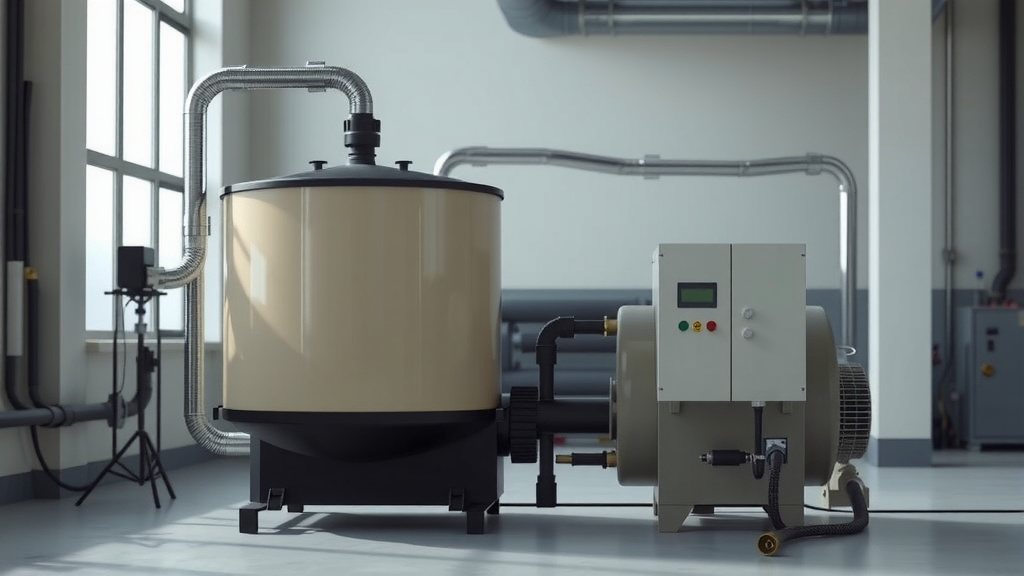
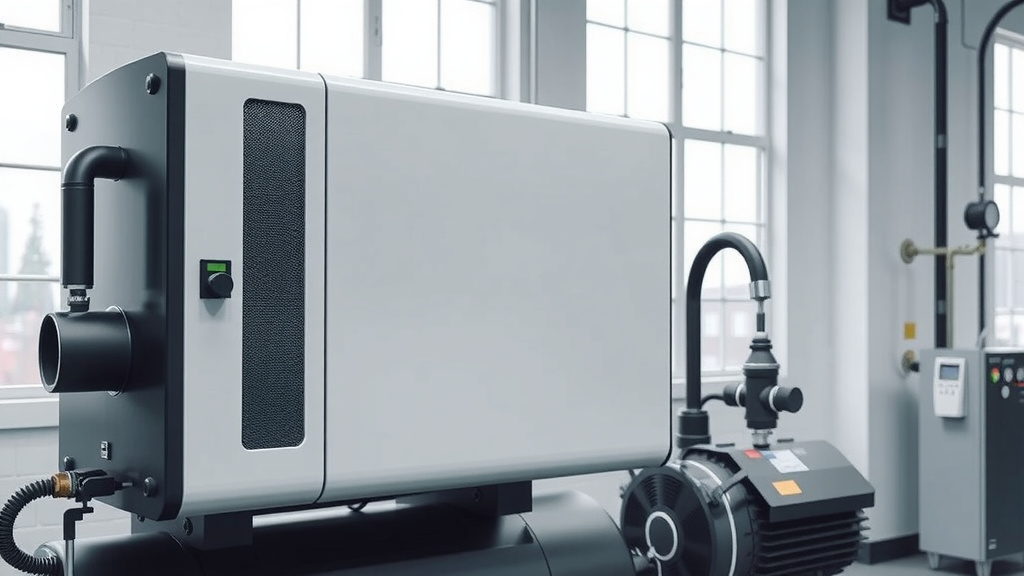
An air compressor makes pressurized air; an air dryer removes moisture from that air. In an air compressor vs air dryer setup, the compressor supplies the air, while the dryer conditions it for tools or work that need less moisture.
A compressor can collect water in its tank and send moisture into the air line. A dryer treats that compressed air, but it does not create the airflow or pressure a tool needs.
The choice is usually not one or the other. Decide whether your project needs a compressor, then decide what moisture control the air needs.
Air compressor vs air dryer: what does each one do?
A compressor raises air pressure, while a dryer lowers moisture in compressed air. They solve different problems and often work together in the same system.
An air compressor draws in surrounding air, compresses it, and stores or supplies it under pressure. Its capacity and pressure need to match the tools or process using that air.
An air dryer treats air after compression. Depending on the dryer type, it can reduce water vapor or help control liquid moisture before the air reaches the point of use.
For a broader explanation of what compression means, see the difference between a compressor and a pump. That distinction can help when comparing equipment descriptions.
What does a compressor dryer mean?
A compressor dryer usually means an air dryer used in a compressed-air system. It is not the same as a household hair dryer, which blows heated air for personal care.
The word “dryer” can cause confusion when shopping. Confirm that equipment is made for compressed air and has the pressure and flow ratings your system requires.
Why does compressed air get wet?
Moisture in compressed air comes from water vapor in the air drawn into the compressor. Compression and cooling can cause some of that vapor to condense into liquid water.
Warm air can hold water vapor. As compressed air cools in a tank or pipe, some moisture may condense and collect at low points or in the receiver.
The amount depends on the air, temperature, pressure, and system conditions. A compressor tank drain can remove collected liquid, but draining alone does not make the air as dry as a dedicated dryer can.
Water in a line can interfere with paint finish, carry contaminants, or cause problems for tools and processes that need cleaner, drier air. The right response depends on the job, so check the requirements for your equipment and materials.
When do you need an air dryer?
Add an air dryer when moisture could harm the tool, process, or finished work. For occasional tire inflation, a dryer may add little value; for painting or moisture-sensitive equipment, air treatment may matter more.
A small garage compressor used for brief inflation jobs may only need regular tank draining and the maintenance described in its manual. If you use the air for painting, blasting, or a tool that calls for dry air, consider the full air path and the required air quality.
A best air compressor dryer system guide can help you compare system options. Match dryer capacity to the compressor's output and the air demand of tools used at the same time.
Does every air tool need dry air?
No. Some tools tolerate a modest amount of moisture, while others need cleaner, drier air or lubrication supplied in a specific way.
Follow the tool maker's instructions rather than assuming that every tool needs the same treatment. An air dryer also does not replace a filter, regulator, or lubricator when those components are required.
What kinds of air dryers are used with compressors?
Common compressed-air dryer types include refrigerated and desiccant dryers. The right type depends on how dry the air must be, system conditions, and maintenance needs.
A refrigerated dryer cools compressed air so moisture can condense and be separated. A desiccant dryer uses a drying material to capture moisture and can suit applications that require lower moisture levels.
Dryer selection should account for airflow, operating pressure, inlet temperature, ambient conditions, and the needed dew point. A unit that cannot keep up with the system's demand may not deliver the expected air quality.
Learn what a desiccant dryer does for an air compressor before choosing that type. You can also compare desiccant dryer uses and limits to see whether it fits your application.
What else belongs in a compressed-air system?
A dryer is one part of air treatment, and filters, drains, and separators may also be needed. Choose components based on what enters the air and what the tool or process requires.
An oil-lubricated compressor can carry oil aerosols downstream. A best air compressor oil separator can help you understand where oil separation fits, though it does not replace moisture drying.
Filters capture particles or certain contaminants, while a regulator controls pressure delivered to a tool.
A drain removes collected liquid from a tank or filter bowl. Each component has a different job.
System layout matters too. Follow the equipment instructions for component order, pressure limits, and service intervals, and make sure each part is sized for the airflow.
Which should you buy first?
Buy a compressor if you need a source of pressurized air; add a dryer if moisture control is part of the job. A dryer alone cannot power an air tool or fill a tire.
If you already own a compressor, identify the wet-air problem before buying treatment equipment. Check the compressor output, tool requirements, and whether water, oil, or particles are causing the issue.
If you need a portable unit for tire inflation, the EPAuto 12V DC Portable Air Compressor Pump is designed for car, bike, sedan, and midsize SUV tires, with an automatic shut-off. {{product B01L9WSTEG | A 12V portable tire inflator for vehicle tires and some inflatables, not a workshop compressor or dryer.}}
For roadside inflation combined with jump-start capability, the GOOLOO A3 12V 3000A Portable Jump Starter includes a cordless tire inflator and digital pressure display. {{product B0D4DLXNR1 | A portable jump starter with built-in tire inflation for roadside use.}}
The Revlon Compact Hair Dryer is for hair care and is not a compressed-air system component. {{product B003TQPRGY | A compact personal hair dryer, distinct from a compressor air dryer.}}
For a compressor that must keep supplying air during demand, compare simplex and duplex air compressors. That choice concerns compressor arrangement and availability, not moisture removal.
How should you plan a workshop air system?
Plan from the tool's air demand and air-quality needs, then size the compressor and dryer to match. Start with the most demanding tool or task you expect to run.
Check the required pressure and airflow for each tool. If several tools may run together, account for their combined demand and the length and size of the air lines.
Next, identify the moisture sensitivity of the work. Inflation and general cleaning may have different needs from spray finishing or equipment that requires a specified dew point.
Place drains where condensate can be removed, and service filters and dryers on schedule. Use the manuals for installation clearances, electrical requirements, pressure limits, and maintenance steps.
Air compressor vs air dryer: which one do you need?
Choose an air compressor to make pressurized air, and choose an air dryer to remove moisture from that air. For a workshop, select the compressor for airflow and pressure, then add drying and filtration to suit the tools and finish.
If you're inflating tires, a portable inflator may cover the task without a workshop dryer. If you're powering tools or painting, plan the full system around their air and moisture requirements.
Frequently asked questions
Does an air compressor remove water from the air?
A compressor raises air pressure, but that process does not remove all the moisture. As compressed air cools, water vapor can condense into liquid in the tank and downstream lines.
Draining the tank and adding suitable moisture control helps protect tools and work.
Can I use an air compressor without a dryer?
Yes, if the air's moisture level is acceptable for the task. A basic setup may work for intermittent inflation or some air tools, but painting and moisture-sensitive processes can need drier air.
Check tool instructions and the requirements of the finish or process.
Where should an air dryer go in a compressor system?
An air dryer is installed in the compressed-air path after the compressor, with filters, drains, and other components placed as the equipment instructions require. The right order depends on dryer type, flow, pressure, and the air quality needed at the point of use.
Is a portable tire inflator an air dryer?
No. A portable tire inflator supplies pressurized air for tires or other inflatables, while an air dryer removes moisture from compressed air.
A tire inflator may suit roadside use, but it is not a substitute for a compressor and dryer setup in a workshop.
Do I need a desiccant or refrigerated air dryer?
Choose by the dryness your tools or process require, along with airflow, pressure, and the surrounding conditions. Desiccant and refrigerated dryers work differently, so compare their operating limits and maintenance needs.
Read our guides to desiccant air dryers and what a desiccant dryer does for more detail.