
Can You Use Air Compressor For Balloons?
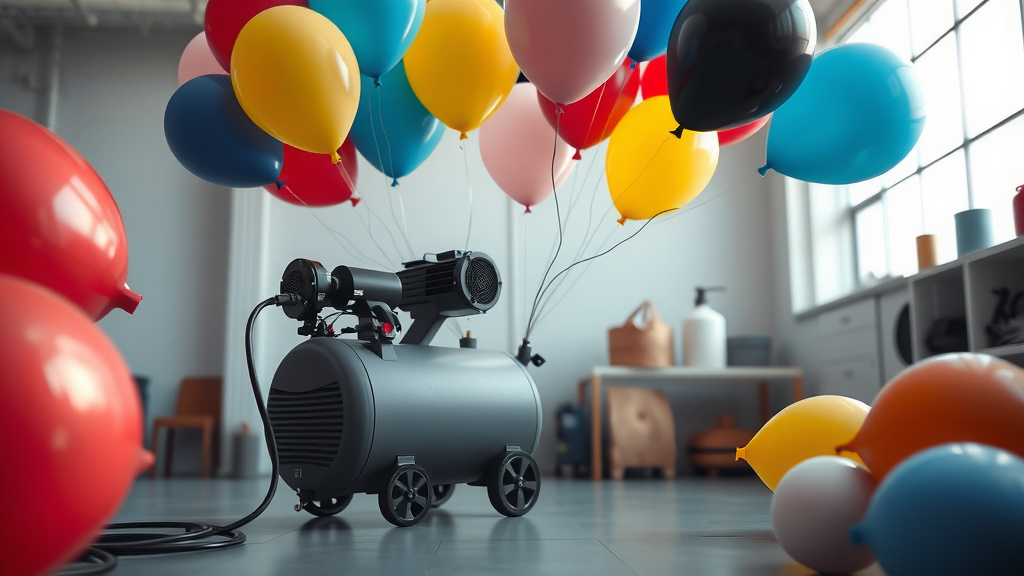
Yes, you can use an air compressor for balloons, but only specific types of compressors and with extreme caution to prevent over-inflation and potential injury.
Standard industrial or workshop air compressors are generally too powerful for delicate balloons, risking bursting and safety hazards if not properly regulated.
- Using a regular air compressor for balloons is often risky due to high pressure.
- You need a compressor designed for low pressure or with a precise regulator.
- Over-inflating balloons can cause them to burst, creating loud noises and debris.
- Specialized balloon inflators are the safest and most efficient option.
- Always prioritize safety and use the right tools for the job.
Can You Use Air Compressor For Balloons?
You can use an air compressor for balloons, but it requires careful attention. Most standard compressors are designed for much tougher tasks than simply filling balloons.
Think of it like using a sledgehammer to tap a nail – it’s overkill and potentially unsafe. The key is understanding pressure control.
The Power of Your Air Compressor
Your typical garage air compressor is built to deliver high pressure. This power is great for impact wrenches or paint sprayers. Balloons, however, are delicate.
Trying to inflate a party balloon with an uncontrolled blast of air is like trying to fill a water balloon from a fire hose. It will likely end in a messy pop.
Why Pressure Matters for Balloons
Balloons only need a tiny amount of air pressure to inflate. A standard compressor might push 90-120 PSI (pounds per square inch).
Balloons often require less than 1 PSI, or even fractions of a PSI. That’s a huge difference, making precise control essential for safety and success.
The Risks of Using a Standard Compressor
Using a powerful air compressor without proper safeguards carries several risks. These go beyond just popping a few balloons.
Safety should always be your top concern when operating any powered tool, no matter how simple the task seems.
Bursting Balloons and Flying Debris
When a balloon bursts unexpectedly, it can be startlingly loud. More importantly, the broken pieces can fly off quickly.
These fragments could hit eyes or other sensitive areas. Always consider wearing safety glasses, especially if you’re experimenting (OSHA guidelines).
Hearing Damage from Loud Pops
A popping balloon, especially a larger one, can produce a surprisingly loud noise. Repeated loud noises can contribute to temporary or even permanent hearing damage over time (CDC reports).
It is always wise to protect your ears in loud environments.
What Kind of Compressor Can You Use?
If you absolutely must use an air compressor, you need the right kind. Not all compressors are created equal when it comes to delicate tasks like balloon inflation.
The solution lies in specialized equipment or proper accessories designed for low-pressure applications.
Low-Pressure or Dedicated Balloon Compressors
Many experts say that the best tools are those designed for the job. Dedicated balloon inflators or very low-pressure compressors are ideal.
These units often have built-in safety features and nozzles specifically shaped for balloons.
Using a Regulator for Pressure Control
If you have a standard compressor, a high-quality pressure regulator is non-negotiable. This device reduces the output pressure to a safe level.
You’ll want to set it to a very low PSI, likely under 5 PSI, and then test cautiously.
Understanding PSI and CFM for Balloons
When discussing air compressors, you often hear about PSI and CFM. These terms describe different aspects of a compressor’s performance.
For balloons, both play a role, but PSI is usually your primary concern for safety.
PSI (Pounds Per Square Inch) Explained
PSI measures the force of the air pressure. A high PSI is like a strong punch. For balloons, you want a gentle push, not a powerful blow.
Too much PSI will inevitably lead to a burst balloon. Keep it very low.
CFM (Cubic Feet Per Minute) Explained
CFM measures the volume of air delivered. For filling many balloons, a higher CFM might speed things up, assuming the PSI is controlled.
However, an uncontrolled high CFM with high PSI is a recipe for disaster. Focus on pressure first.
The Safest Way to Inflate Balloons
When you need to inflate balloons, especially for an event or party, convenience and safety should guide your choices. There are several reliable methods available.
Choosing the right tool ensures a smooth and enjoyable experience, free from unexpected pops and frustration.
Hand Pumps and Electric Balloon Pumps
For small quantities, a simple hand pump works well and offers complete control. For larger events, an electric balloon pump is a game-changer.
These electric pumps are specifically designed for balloons, offering fast inflation at safe pressures.
Helium Tanks for Floating Balloons
If you want your balloons to float, you’ll need a helium tank. These are available for rent or purchase in various sizes.
Helium tanks come with nozzles designed to safely fill latex and Mylar balloons to the correct size.
Checklist for Using an Air Compressor with Balloons
-
Use a regulator: Absolutely essential to drop pressure to safe levels.
-
Wear safety glasses: Protect your eyes from bursting fragments.
-
Start with very low pressure: Test on a scrap balloon first.
-
Use a suitable nozzle: Avoid direct metal-to-balloon contact.
-
Inflate slowly: Give the balloon time to stretch and fill.
-
Supervise children: Keep kids away from the compressor and bursting balloons.
Comparing Inflation Methods
To help you decide, here’s a quick comparison of common balloon inflation methods. Each has its pros and cons, depending on your needs.
We found that specialized tools often outweigh the convenience of an all-purpose compressor for this task.
| Method | Safety for Balloons | Efficiency (High Volume) | Cost (Typical) |
|---|---|---|---|
| Dedicated Electric Balloon Pump | Excellent | High | Low to Medium |
| Hand Pump | Excellent | Low | Very Low |
| Air Compressor with Regulator | Fair to Good (with caution) | Medium to High | High (if buying compressor) |
| Air Compressor (Unregulated) | Poor (Dangerous) | High (but destructive) | N/A (Not Recommended) |
| Helium Tank | Excellent | High | Medium to High (rental/purchase) |
Conclusion
So, can you use an air compressor for balloons? The answer is a conditional “yes,” but with significant caveats. While possible with the right equipment and extreme caution, it’s rarely the best or safest choice.
For inflating balloons, especially for parties or events, investing in a dedicated electric balloon pump or renting a helium tank will save you time, frustration, and potential injury. Always prioritize safety and use tools designed for the specific task at hand.
Can a regular shop air compressor fill balloons safely?
A regular shop air compressor is generally not safe for filling balloons without a high-quality, sensitive pressure regulator. Its high pressure can easily burst balloons, creating hazards. Dedicated balloon pumps offer much better control.
What pressure (PSI) should I use to inflate a balloon with a compressor?
You should aim for an extremely low pressure, likely less than 5 PSI, and even lower for very small or delicate balloons. Many experts suggest testing on a scrap balloon first to find the gentlest setting that allows inflation without bursting.
Are there special nozzles for inflating balloons with an air compressor?
Yes, some air compressor accessory kits include specialized nozzles made for inflating items like balls or balloons. These often have a tapered, softer tip. However, even with a special nozzle, a pressure regulator remains essential.
Is it faster to use an air compressor than an electric balloon pump?
An air compressor might deliver air volume faster, but an electric balloon pump is typically more efficient and safer for balloons. Electric balloon pumps are designed to inflate balloons quickly and at the correct, low pressure, making them faster and less prone to errors for this specific task.
What are the main safety precautions when using an air compressor for balloons?
The main safety precautions include always using a pressure regulator, wearing eye protection, starting with extremely low pressure settings, using a soft-tipped nozzle, and inflating balloons slowly. Never allow children near an active compressor or during inflation.
