
Can You Use an Air Compressor to Blow Out Sprinkler Lines?
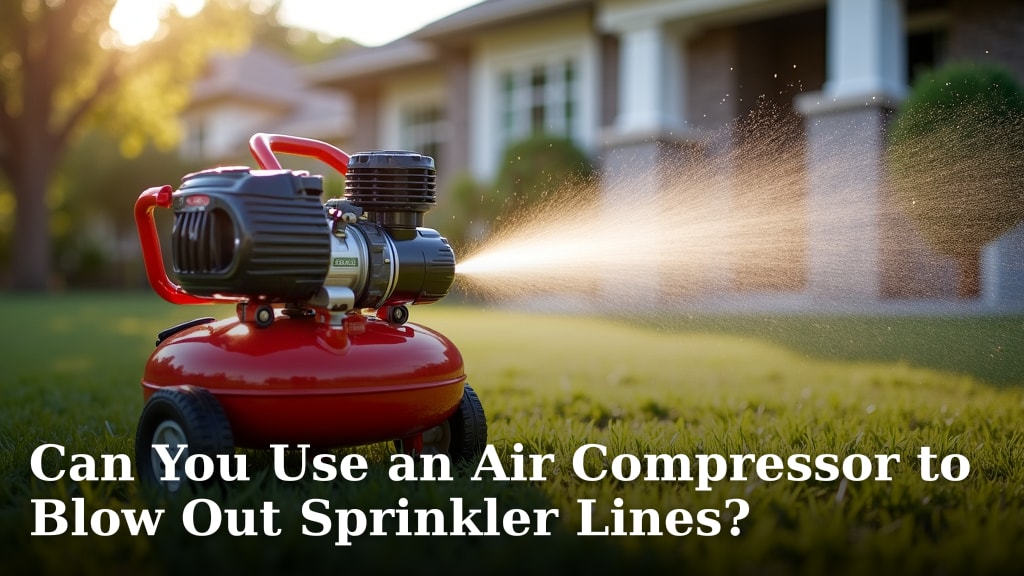
Yes, you can absolutely use an air compressor to blow out sprinkler lines, and it’s actually the recommended method for winterizing your system. This helps protect your irrigation pipes from freezing and cracking when temperatures drop.
Winterizing your sprinkler system is crucial for preventing costly damage. Air compressors offer a powerful and efficient way to remove residual water from your entire system. It’s a smart move to safeguard your investment.
- An air compressor is essential for winterizing sprinkler lines.
- It prevents freezing and cracking of your pipes.
- Improper winterization leads to expensive repairs.
- Safety precautions are vital when using compressed air.
- Professional help is an option if you’re unsure.
Let’s walk through exactly how to safely and effectively use an air compressor to prepare your sprinkler system for winter.
Winterizing Your Sprinklers: The Air Compressor Method
Using an air compressor is the most effective and safest way to clear water from your sprinkler system. This prevents freezing damage.
You’re making a smart choice by considering this method. It protects your investment and saves you from potential headaches.
Why Blowing Out Sprinkler Lines is Essential
Imagine a soda can left in the freezer. What happens? It expands and bursts! The same principle applies to your sprinkler pipes.
Water expands when it freezes. If water remains in your pipes during cold weather, this expansion can cause them to crack or burst. Repairing these damaged pipes can be very expensive.
We found that replacing a damaged sprinkler system can cost hundreds, even thousands, of dollars. Prevention is definitely cheaper than repair.
Common Misconceptions About Winterization
Some people think simply turning off the water supply is enough. It’s not. Water often remains trapped in the lines, especially in low spots.
Another myth is that only systems in very cold climates need winterization. Even areas with mild winters can experience unexpected freezes, leading to damage.
It’s always better to be safe than sorry when it comes to protecting your irrigation system from winter weather.
Choosing the Right Air Compressor for the Job
Not just any air compressor will do. You need one with enough power and air volume for your specific sprinkler system.
The key metrics are PSI (pounds per square inch) and CFM (cubic feet per minute). These tell you how much pressure and how much air the compressor can deliver.
Too little power, and you won’t effectively clear all the water. Too much pressure, and you risk damaging your pipes.
Understanding PSI and CFM for Sprinklers
Your sprinkler system typically operates at a certain PSI. You want an air compressor that can match or slightly exceed this but stay within a safe range.
Many experts recommend a compressor capable of 20-50 CFM for average residential systems (Irrigation Association). For larger systems, you might need more.
The pressure itself should be kept relatively low when blowing out lines, generally not exceeding 50-80 PSI for most residential PVC pipes. Always check your system’s specifications.
Here’s a quick guide to help you pick the right size:
| Sprinkler System Size | Recommended Compressor CFM | Max PSI (for blowout) |
|---|---|---|
| Small (1-3 zones) | 5-10 CFM | 50 PSI |
| Medium (4-6 zones) | 10-20 CFM | 60 PSI |
| Large (7+ zones) | 20-30+ CFM | 80 PSI |
Remember, these are general guidelines. Always consult your sprinkler system manual or a professional if you’re unsure.
Safety First: Essential Precautions
Working with compressed air can be dangerous if not handled properly. Think of it like handling a powerful tool – respect it.
Your safety is paramount. Taking a few extra moments for precautions can prevent accidents and injuries.
- Wear safety glasses to protect your eyes from flying debris or unexpected bursts of air.
- Wear hearing protection. Air compressors can be very loud and damage your hearing over time.
- Ensure proper hose connections. A loose connection can cause a hose to whip violently.
- Keep children and pets away from the work area. The noise and air bursts can be startling and dangerous.
- Never stand directly over a sprinkler head while blowing out the system. Debris can shoot out at high speeds.
- Always start with low pressure and increase it gradually if needed.
Step-by-Step Guide to Blowing Out Sprinkler Lines
Ready to get started? We’ll walk through the process together. It’s simpler than you might think.
Having all your tools ready beforehand will make the job smooth and efficient.
Gathering Your Tools and Materials
Before you begin, make sure you have everything you need. A little preparation goes a long way.
- Air compressor (of appropriate size)
- Air hose with a quick-connect fitting
- Air compressor adapter (typically a male quick-connect to a female garden hose thread, or a specific sprinkler blowout adapter)
- Wrenches or pliers (if needed for drain plugs)
- Safety glasses and hearing protection
Preparing Your Sprinkler System
Think of this as setting the stage. Each step ensures a smooth and safe process.
- Turn off the main water supply to your sprinkler system. Locate your backflow preventer or main shut-off valve and turn it off. This is very important.
- Drain the main line. If your system has a manual drain valve at the backflow preventer, open it to let gravity do some initial work.
- Open all manual drain valves if your system has them. This helps remove as much water as possible before the compressor starts.
- Disable the automatic controller. Set your irrigation controller to “off” or “rain delay” to prevent it from cycling on during the blowout process.
- Locate the compressor connection point. This is usually a specialized port on your backflow preventer or a specific valve designed for winterization.
Connecting and Blowing Out Each Zone
This is where the magic happens! We’ll move through your system zone by zone.
- Connect the air compressor adapter to the designated connection point on your sprinkler system. Make sure it’s secure.
- Attach your air hose from the compressor to the adapter.
- Set the compressor’s regulator to a low PSI (e.g., 20-30 PSI to start). You can increase it slowly, but never exceed your system’s recommended maximum.
- Turn on your air compressor and allow it to build pressure.
- Select the farthest zone from your compressor connection on your sprinkler controller. Turn on this zone manually.
- Observe the sprinkler heads in that zone. You’ll see water spraying, then a mist, then eventually just air. Allow the air to flow until only a fine mist or dry air comes out of all heads in that zone.
- Turn off the zone on your controller.
- Repeat for each remaining zone, always starting with the farthest and working your way back towards the compressor connection. This ensures thorough clearing.
- For rotor heads, it’s often a good idea to cycle them a few times to ensure they fully clear.
Final Steps After Blowing Out
You’re almost done! Just a few more things to button up your system for winter.
- Turn off your air compressor and disconnect the hose.
- Remove the compressor adapter from your sprinkler system.
- Leave all valves (main shut-off, drain valves, backflow preventer test cocks) in the open or 45-degree position (depending on the valve type) to allow any remaining water to drain and prevent pressure buildup.
- Insulate exposed pipes and backflow preventers with insulation bags or materials if they are above ground. This offers extra protection.
When to Call a Professional
While blowing out your sprinkler lines is a DIY-friendly task, there are times when calling in a professional is the best option.
Don’t hesitate to seek expert help if you’re feeling unsure or if your system is particularly complex.
You might consider professional help if:
- You have a very large or complex system (e.g., multiple backflow preventers, booster pumps).
- You don’t own an air compressor of the appropriate size and don’t want to rent one.
- You are uncomfortable working with compressed air and machinery.
- Your system has unique components that you don’t understand.
- You’ve had previous issues with winterization or freeze damage.
Many professional irrigation companies offer affordable winterization services. They have specialized equipment and expertise. It’s a small investment for peace of mind.
Conclusion
Blowing out your sprinkler lines with an air compressor is the gold standard for winterizing your system. You’ve learned why this process is so important for protecting your pipes from freezing, the right compressor to use, and essential safety measures. Taking the time to properly clear out residual water will save you from expensive repairs and headaches down the road. If you’re comfortable with the steps, grab your gear and tackle it yourself, or consider calling a pro for peace of mind. Your sprinkler system (and your wallet) will thank you.
Frequently Asked Questions
How often should I blow out my sprinkler lines?
You should blow out your sprinkler lines once a year, typically in the late fall before the first hard freeze. This ensures all water is removed before freezing temperatures can cause damage.
What if I don’t have an air compressor big enough?
If your personal air compressor isn’t powerful enough, you have a few options. You can rent a larger compressor from a local hardware store, or hire a professional sprinkler company to handle the winterization for you.
Can I use a shop vacuum to blow out sprinkler lines?
No, a shop vacuum typically does not provide enough continuous air pressure (PSI) or volume (CFM) to effectively clear water from an entire sprinkler system. It might work for a small, single line, but it’s not recommended for full system winterization.
Do I need to blow out my backflow preventer too?
Yes, your backflow preventer must also be drained and protected from freezing. Many systems have specific valves on the backflow device itself that need to be opened or turned to a 45-degree angle after the lines are blown out.
How will I know if my sprinkler lines are completely dry?
You’ll know your lines are mostly dry when only a fine mist or clear air is coming out of the sprinkler heads in each zone. There shouldn’t be any significant streams or gushes of water left.
