
Can You Use an Air Compressor to Remove Lug Nuts?
Yes, you absolutely can use an air compressor to remove lug nuts, but not directly. You’ll need to attach an impact wrench to your air compressor. This combination makes quick work of even the most stubborn lug nuts.
Many DIYers and mechanics rely on air compressors for tire changes. They provide the power and speed you need. Using the right tools is key for safety and efficiency.
- Air compressor needs an impact wrench.
- Impact wrenches remove lug nuts fast.
- Right tools prevent damage and injury.
- Compressor size matters for performance.
So, let’s look at how to pair your air compressor with the right tools and get those lug nuts off with ease.
Using an Air Compressor to Tackle Lug Nuts
You can absolutely use an air compressor to remove lug nuts. However, the compressor itself doesn’t do the work directly. Think of it as the powerhouse for another essential tool: the impact wrench.
This dynamic duo makes a significant difference. It saves you time and effort. No more straining with a manual lug wrench, especially on those super tight nuts.
The Power Duo: Air Compressor and Impact Wrench
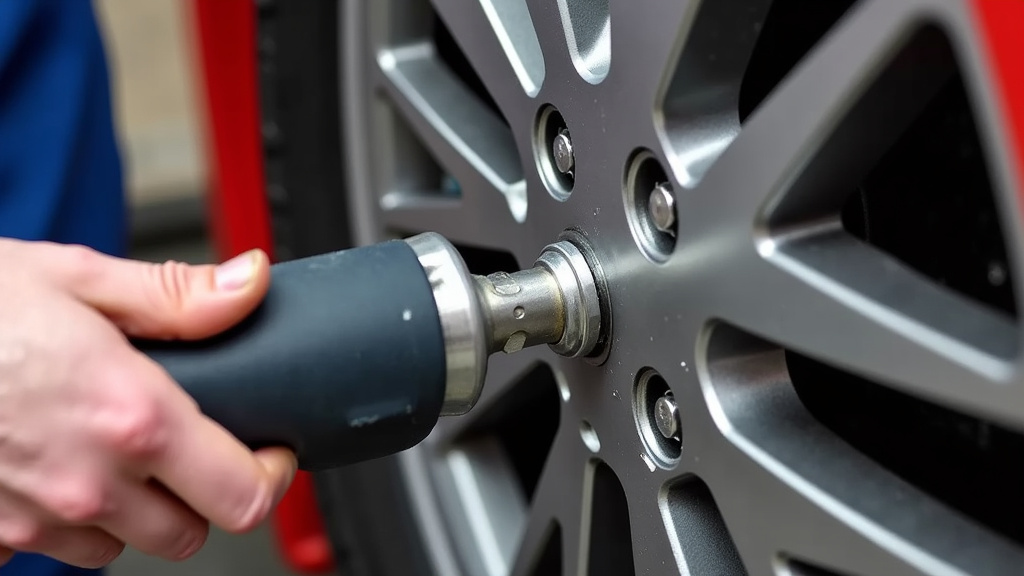
An impact wrench is the star of the show here. It’s a specialized tool designed to deliver high torque. It does this in short, powerful bursts. This action makes it perfect for breaking free stuck or overtightened fasteners.
The air compressor is the engine behind it. It supplies the compressed air. This air powers the internal mechanism of the impact wrench. It’s like having a little pneumatic muscle working for you.
Understanding How an Impact Wrench Works
An impact wrench doesn’t just spin. It hits the fastener rotationally. This hammering action creates immense force. It’s designed to loosen bolts without continuous rotation. This prevents rounding off the nut (SAE International).
Imagine tapping a stubborn nail. A continuous push might bend it. But quick, sharp taps drive it in. An impact wrench works similarly. It delivers those “taps” to loosen the lug nut.
Why Not Just Use a Regular Wrench?
A standard lug wrench relies purely on leverage and your strength. This is fine for nuts torqued correctly. But rust, overtightening, or years of exposure can make them incredibly stiff.
Trying to force these with a manual wrench can be dangerous. You might slip, injure yourself, or even damage the lug nut or stud. An impact wrench minimizes these risks by doing the heavy lifting for you.
Choosing the Right Air Compressor for the Job
Not all air compressors are created equal. For lug nuts, you need one that can keep up with the demands of an impact wrench. This means looking at a few key specifications. You can find out more about choosing the best air compressor for impact wrenches to ensure optimal performance.
The main things to consider are PSI (pounds per square inch) and CFM (cubic feet per minute). These numbers tell you how much air pressure and volume the compressor can deliver.
Understanding PSI and CFM
PSI measures air pressure. This is how hard the air pushes. Most impact wrenches need about 90 PSI to work effectively. Your compressor should be able to reach and maintain this pressure.
CFM measures air volume. This is how much air the compressor can produce per minute. Impact wrenches consume a lot of air. If your compressor’s CFM is too low, the wrench will lose power quickly.
We typically find that a good impact wrench will need around 4-5 CFM at 90 PSI. So, your compressor’s output needs to match or exceed this requirement.
Compressor Tank Size Matters
The tank on your air compressor stores compressed air. A larger tank means you have more stored air. This lets your impact wrench run longer before the compressor motor needs to kick back on to refill the tank.
For occasional use, like rotating tires once in a while, a smaller tank (around 6-10 gallons) might suffice. However, for more frequent or prolonged use, a 20-gallon tank or larger is generally recommended. We often advise at least a 20-gallon tank for consistent impact wrench use (Home Depot Guides).
| Compressor Size | Typical Tank Size | Best For | Pros for Lug Nuts | Cons for Lug Nuts |
|---|---|---|---|---|
| Small Portable | 1-6 Gallons | Inflating tires, Brad nailing | Very portable, inexpensive | Runs out of air quickly, impact wrench may struggle |
| Medium Portable | 10-20 Gallons | General DIY, occasional impact wrench | Good balance of power and portability | May cycle frequently with heavy impact wrench use |
| Shop/Garage | 20+ Gallons | Continuous impact wrench, multiple tools | Consistent power, less cycling | Less portable, higher initial cost |
Essential Accessories for Lug Nut Removal
Having the right compressor and impact wrench is a great start. But you’ll also need a few key accessories. These ensure safety, efficiency, and prevent damage to your wheels and tools.
Don’t skimp on these. They’re often overlooked but make a big difference in your experience. What good is a powerful tool if you don’t have the right bits for it?
Impact Sockets are a Must
You cannot use regular chrome sockets with an impact wrench. We’ve seen many people make this mistake. Regular sockets are designed for hand tools. They are brittle and can shatter under the force of an impact wrench.
Impact sockets are specifically designed for this job. They are made from tougher, heat-treated steel. They have thicker walls and a black oxide finish. This makes them much more durable and safe for impact use.
Socket Sizes and Types
Lug nuts come in various sizes. You’ll need a set of impact sockets that covers common automotive sizes. A good metric and SAE set is a smart investment.
Consider a set that includes “thin-wall” or “non-marring” impact sockets. These have a protective sleeve. They prevent scratches and damage to your expensive alloy wheels. Many mechanics recommend these for car owners (Motor Trend).
Air Hoses and Connectors
Your air hose needs to be robust enough to handle the pressure. A good quality, flexible air hose is essential. Look for hoses with a minimum working pressure of 200-300 PSI. Our guide to the best air hose for air compressor options can help you choose a durable and flexible hose.
The diameter of your hose also impacts air flow. A 3/8-inch inner diameter (ID) hose is usually suitable for impact wrenches. A smaller diameter might restrict airflow, reducing your wrench’s power.
Safety Gear is Non-Negotiable
Whenever you use power tools, safety comes first. This is especially true with the powerful forces of an impact wrench. Don’t skip these simple precautions.
- Safety Glasses: Always wear eye protection. Debris or even a shattered socket can cause serious eye injury.
- Gloves: Protect your hands from pinches, heat, and vibrations.
- Ear Protection: Impact wrenches can be very loud. Long-term exposure to loud noise can damage your hearing (OSHA guidelines).
Step-by-Step: Removing Lug Nuts with Your Setup
Once you have all your gear, the process is straightforward. Take your time, and remember safety first. You’ll be surprised how quickly those lug nuts come off.
This process is the same whether you’re rotating tires or fixing a flat. Practice makes perfect, but the first time is usually easy too.
Prepping Your Vehicle and Tools
First, ensure your vehicle is on a flat, stable surface. Engage the parking brake. If you’re lifting the car, use sturdy jack stands. Never rely solely on a jack.
Connect your air hose to the compressor and then to your impact wrench. Make sure all connections are secure. Adjust your compressor to the recommended PSI for your impact wrench, usually around 90 PSI.
The Removal Process Checklist
Here’s a quick checklist to guide you through the actual removal:
- Select the Correct Socket: Find the impact socket that perfectly fits your lug nuts. A snug fit prevents rounding.
- Attach Socket to Wrench: Securely place the socket onto the square drive of your impact wrench.
- Position the Wrench: Place the socket squarely onto the lug nut. Make sure it’s fully seated.
- Apply Pressure: Hold the impact wrench firmly with both hands. It can twist with force.
- Engage the Trigger: Squeeze the trigger in short bursts. The impact wrench will quickly loosen the nut.
- Remove the Nuts: Once loosened, continue until the nut spins freely. You can then remove it by hand.
A Word on Torque and Installation
When you’re ready to put the lug nuts back on, do NOT use the impact wrench for final tightening. Impact wrenches are great for removal, but they can easily overtighten nuts during installation.
Overtightening can stretch lug studs. This weakens them and can lead to dangerous wheel detachment. It can also warp brake rotors. Always use a torque wrench to tighten lug nuts to your vehicle’s specified torque settings. We strongly recommend this (Consumer Reports).
Conclusion
Using an air compressor with an impact wrench is a game-changer for lug nut removal. You’ve seen how this powerful combination saves effort and boosts safety. Remember, proper tool selection, like impact-rated sockets and a suitable compressor, is essential. Safety gear is non-negotiable for protecting yourself.
By understanding PSI, CFM, and tank size, you can select the perfect setup for your needs. Always use a torque wrench for reinstallation to prevent damage. With these tips, you’re ready to tackle tire changes and rotations confidently. Go ahead and make your next wheel service project easier and safer!
Frequently Asked Questions
Can a small portable air compressor remove lug nuts?
A small portable compressor (1-6 gallons) might work for very lightly torqued lug nuts. However, its low CFM will likely cause the impact wrench to lose power quickly. For reliable removal, we recommend a medium to large compressor with at least 4-5 CFM at 90 PSI.
Do I really need special impact sockets, or can I use regular ones?
Yes, you absolutely need impact sockets. Regular chrome sockets are brittle and can shatter under the force of an impact wrench, creating a dangerous projectile. Impact sockets are designed from tougher steel to withstand the hammering action safely.
How much air pressure (PSI) do I need for an impact wrench?
Most impact wrenches require about 90 PSI to operate effectively. Your air compressor should be able to reach and maintain this pressure while the wrench is in use. Check your specific impact wrench’s requirements for precise PSI needs.
Why shouldn’t I use an impact wrench to tighten lug nuts?
Using an impact wrench to tighten lug nuts can easily overtighten them. This can stretch your wheel studs, leading to potential failure, and can also warp brake rotors. Always use a torque wrench to tighten lug nuts to your vehicle’s manufacturer-specified torque settings.
What size air hose is best for an impact wrench?
For optimal performance, we recommend using an air hose with a 3/8-inch inner diameter (ID). A smaller diameter hose can restrict airflow, which will reduce the power and efficiency of your impact wrench. Look for a hose rated for at least 200-300 PSI working pressure.
