
Do You Need a Respirator When Spray Painting with a Compressor?
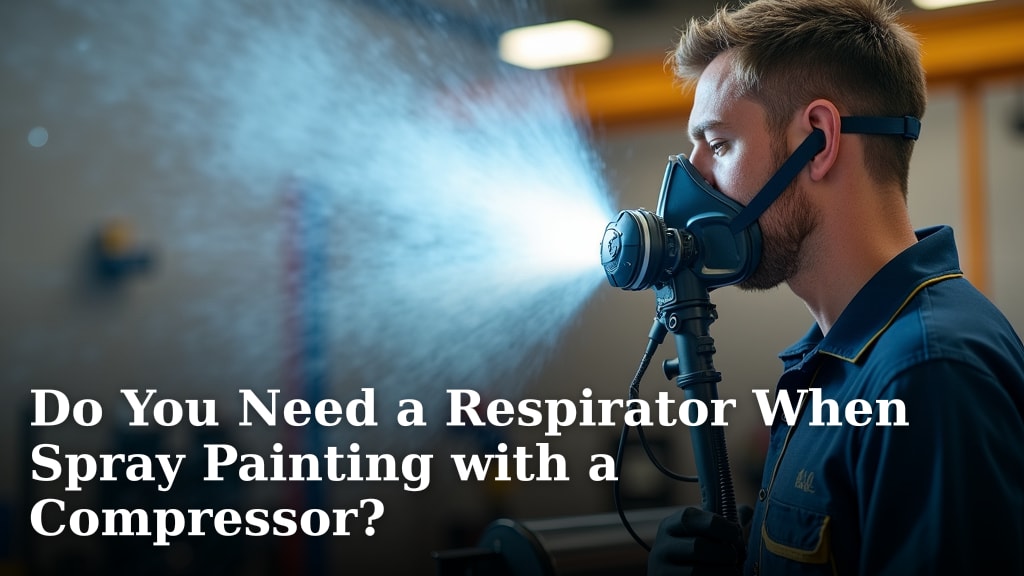
Yes, you absolutely need a respirator when spray painting with a compressor to protect your lungs. Breathing in paint fumes and fine particles can cause serious short-term and long-term health problems. It’s not worth the risk to skip this essential safety gear.
Spray painting releases tiny droplets and chemicals into the air. These can easily be inhaled without proper protection. Many professionals and DIYers find that wearing a quality respirator makes the entire painting process much safer and more comfortable. It filters out harmful substances.
- Always use a respirator when spray painting.
- Paint fumes and particles are dangerous to your lungs.
- A good respirator filters out harmful airborne chemicals.
- This protects your immediate and long-term health.
Let’s dive into why a respirator is so important and what to look for. We’ll help you make sure you’re painting safely.
Should You Wear a Respirator When Spray Painting with a Compressor?
The short answer is a resounding yes. When you’re using a spray painter connected to an air compressor, tiny paint particles and chemical fumes fill the air. Breathing these in without protection can seriously harm your lungs and overall health. Think of it like this: you wouldn’t drink dirty water, so why would you willingly breathe dirty air? Wearing the right kind of respirator is essential protection.
Many people underestimate the dangers. They might think, “It’s just a little bit of paint,” or “I’m only painting for a short time.” However, research shows that even brief exposure to certain paint chemicals can have negative effects. Long-term exposure can lead to chronic respiratory issues, making a respirator a non-negotiable piece of safety gear for anyone using a spray compressor.
The Hidden Dangers of Paint Fumes and Particles
When you spray paint, you’re not just applying color. You’re atomizing paint into incredibly small droplets. These droplets become airborne, along with volatile organic compounds (VOCs) released from the paint. VOCs are gases emitted from many types of paint and can cause immediate irritation or long-term damage (CDC).
These fine particles and fumes are so small they can bypass your body’s natural defenses. They get deep into your lungs. Over time, this can lead to conditions like bronchitis, asthma, or even more severe lung diseases. It’s a silent danger that you can’t see or smell with enough accuracy to know when you’re truly safe without protection.
What Are Volatile Organic Compounds (VOCs)?
VOCs are carbon-containing chemicals that easily turn into vapors or gases at room temperature. Paints, thinners, solvents, and even some cleaning agents used in spray painting are common sources of VOCs. When you inhale them, they can affect your lungs, liver, kidneys, and nervous system.
Symptoms of VOC exposure can range from headaches and dizziness to nausea and breathing difficulties. For those with pre-existing conditions like asthma, exposure can trigger severe reactions. Many experts recommend minimizing exposure to VOCs whenever possible (NIH).
The Tiny Terrors: Particulate Matter
Beyond the chemical fumes, the tiny droplets of paint themselves are a problem. These form a fine mist. When you breathe this mist in, the particles can get lodged in your respiratory system. Some are large enough to cause immediate irritation. Others are microscopic and can travel deep into your lungs.
These particles can carry pigments, binders, and other chemicals found in the paint. Regular exposure to this particulate matter can lead to chronic lung inflammation and reduced lung function over time. It’s like inhaling a very fine, irritating dust that doesn’t easily settle.
Why Standard Dust Masks Aren’t Enough
You might be tempted to grab a basic dust mask. You know, the kind you might use for light dusting around the house? Please don’t. These masks are designed to filter out larger particles, like sawdust or common household dust. They are not equipped to handle the fine mist of paint or the hazardous chemical vapors from spray painting.
Dust masks offer minimal protection against the microscopic particles and chemical gases you’ll encounter. They can leave gaps around your face, allowing harmful substances to enter. Think of it as wearing a sieve to catch tiny molecules – it just won’t do the job effectively. You need something specifically designed for these airborne hazards.
The Limitations of Basic Face Coverings
A simple cloth mask or a basic disposable dust mask will not filter out the tiny aerosolized paint particles. They also offer zero protection against the chemical fumes. These products might make you feel like you’re doing something, but in reality, you’re leaving your lungs vulnerable to significant harm.
The materials used in basic masks are not dense enough or chemically treated to capture what’s in spray paint mist. It’s like trying to stop a determined mosquito with a fishing net – it’s just the wrong tool for the job. Always check the packaging to ensure a mask is rated for vapors and fine particles.
Choosing the Right Respirator for Spray Painting
This is where you need to be smart about your safety. For spray painting, you’ll want a respirator that specifically filters out both organic vapors and particulates. These are often called respirators with organic vapor cartridges and P100 particulate filters.
A P100 filter is rated to capture 99.97% of airborne particles, including the fine mist from spray paint. The organic vapor cartridges are designed to absorb and neutralize harmful chemical fumes. Together, they offer the robust protection you need.
Understanding Respirator Types and Ratings
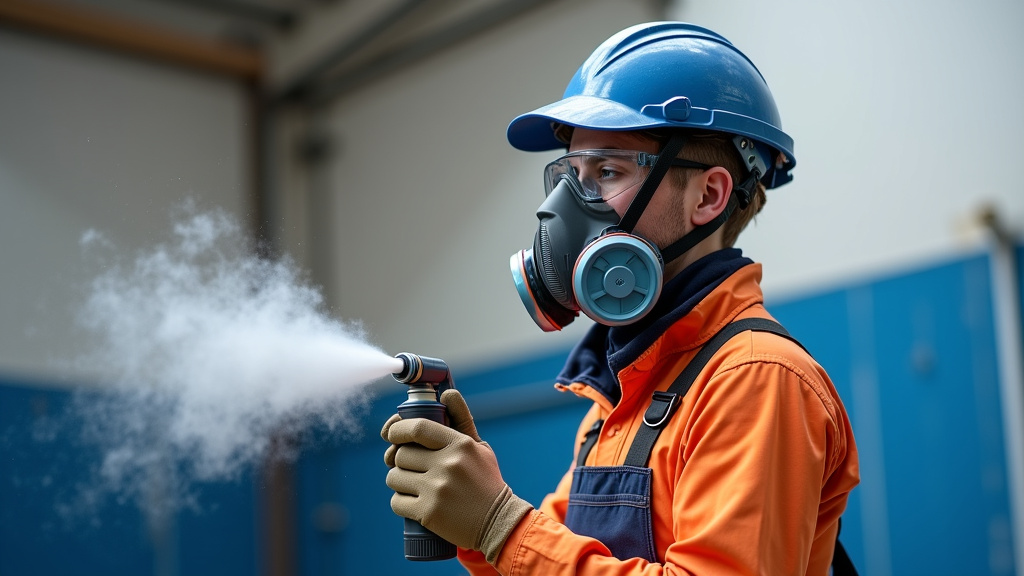
There are different types of respirators. For spray painting, you’re generally looking at half-face or full-face respirators. A half-face respirator covers your nose and mouth and is a common choice for many DIYers and professionals.
A full-face respirator covers your entire face, including your eyes. This offers added protection for your eyes from paint splatter, which can be beneficial. No matter the style, ensure it uses the correct filter cartridges.
Cartridges vs. Filters: What’s the Difference?
Often, you’ll see respirators that use separate cartridges and filters. A common setup for spray painting involves a combination. You might have a half-face mask body, attach a pair of organic vapor cartridges, and then attach a P100 particulate pre-filter to the front of the cartridge.
The cartridge deals with the chemical vapors, while the P100 filter stops the tiny paint particles. Some cartridges might have built-in particulate filters, but it’s always good to check the specifications. Always make sure your setup is rated for both organic vapors and high-efficiency particulates (like P100).
What About Disposable Respirators?
There are disposable respirators designed for painting. These are convenient but often have limitations. Some disposable respirators are rated for paint and varnishes. They usually have activated carbon to help with odors and a filter for particles. They are better than a dust mask but may not offer the same level of protection or comfort as a reusable respirator with dedicated cartridges.
If you’re painting frequently or for extended periods, a reusable respirator with replaceable cartridges is usually a more economical and effective choice. Disposable ones are okay for very occasional, short tasks, but always check their rating carefully. Many professionals advise against them for serious spray painting work.
Proper Fit and Maintenance Are Key
Even the best respirator won’t protect you if it doesn’t fit your face correctly. A good seal is absolutely critical. You shouldn’t feel air leaking in around the edges when you inhale. If you do, the harmful particles and fumes are getting past the filter and into your lungs.
Many respirators come in different sizes. Try one on if possible. You can also do a “seal check.” Cover the exhalation valve with your hand and gently blow. You shouldn’t feel any air escaping. Then, cover the filter inlets and inhale; the mask should pull slightly against your face.
Tips for Achieving a Good Seal
Ensure your face is clean and free of oil or makeup where the respirator seals. Facial hair can be a major barrier to a good seal. If you have a beard, you might need to shave the area where the respirator sits or consider a full-face respirator with a better sealing system (OSHA).
Take time to adjust the straps. They should be snug but not uncomfortably tight. If the mask feels loose or is sliding around, you won’t get a proper seal. A properly fitted mask will feel secure and comfortable enough to wear for the duration of your painting job.
When to Replace Your Filters and Cartridges
Filters and cartridges don’t last forever. They become saturated with the contaminants they’re filtering out. For organic vapor cartridges, you’ll notice a faint smell of the solvent or paint when they start to fail. This is your warning sign.
For particulate filters, they can become clogged, making it harder to breathe. Visually inspect them for dirt and damage. The manufacturer will usually provide guidelines on how often to replace them based on usage and the type of contaminants. Don’t wait until you can smell fumes – that means they’ve already started to get through (NIOSH).
Safety Checklist for Spray Painting with a Compressor
To make sure you’re covering all your bases, here’s a quick checklist:
- Confirm Respirator Rating: Ensure your respirator is rated for organic vapors and particulates (e.g., P100).
- Check for Proper Fit: Perform a seal check to ensure no air leaks.
- Inspect Filters/Cartridges: Make sure they are clean, undamaged, and not expired.
- Ventilate Your Workspace: Always paint in a well-ventilated area, even with a respirator.
- Follow Manufacturer Instructions: Read and understand how to use and maintain your specific respirator.
- Replace Consumables: Know when to swap out filters and cartridges for continued protection.
Using a respirator when spray painting with a compressor isn’t just a recommendation; it’s a vital step in protecting your health. By understanding the risks and choosing the right gear, you can complete your projects safely and keep your lungs healthy for years to come.
Conclusion
We’ve covered why wearing a respirator is absolutely essential when spray painting with a compressor. Breathing in paint fumes and tiny particles poses real risks to your respiratory health, both immediately and in the long run. Relying on basic dust masks just won’t cut it. Make sure you choose a respirator with the right organic vapor cartridges and P100 particulate filters. Taking the time to ensure a proper fit and maintaining your equipment are just as important. Your next step should be to identify the best respirator for your needs and make that purchase. Protect your lungs, and you’ll be able to enjoy your painting projects and hobbies for years to come.
Frequently Asked Questions
How often should I replace my respirator cartridges?
You should replace your cartridges when you start to smell paint fumes or solvents, even faintly. Manufacturer guidelines also recommend replacement after a certain amount of usage time or exposure to specific chemicals. Clogged particulate filters will also make it harder to breathe.
Can I use a respirator if I have a beard?
A good seal is critical for a respirator to work effectively. Facial hair, like a beard, can prevent a proper seal. You may need to shave the area where the respirator sits or consider a full-face respirator designed for better sealing capabilities.
Are disposable paint respirators good enough?
Disposable respirators can be adequate for very short, occasional tasks. However, they often don’t offer the same level of protection or comfort as a reusable respirator with dedicated cartridges. Always check their rating to ensure they are designed for paint fumes and particles.
What’s the difference between organic vapor cartridges and particulate filters?
Organic vapor cartridges are designed to absorb and neutralize harmful chemical gases released from paints and solvents. Particulate filters, like P100, are made to capture the tiny solid paint droplets and dust that become airborne during spraying.
Can I wear safety glasses with a half-face respirator?
Yes, you can wear safety glasses with a half-face respirator. However, ensure they fit snugly against your face and don’t interfere with the respirator’s seal. Some people prefer full-face respirators for added eye protection from paint splatter.
