
Must Have Air Compressor Tools?
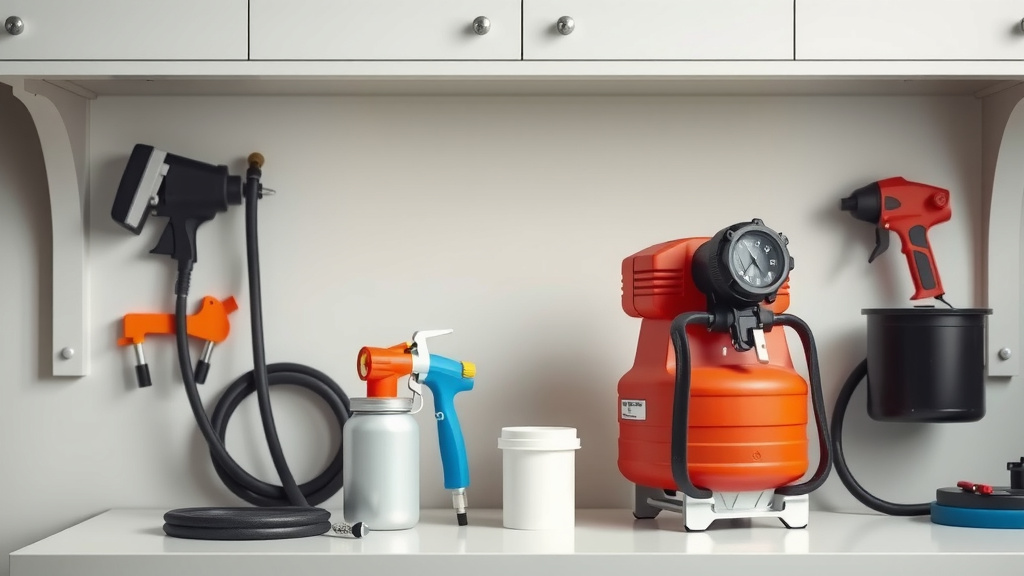
The absolute must-have air compressor tools include an air hose, tire inflator, blow gun, and an air filter/regulator. These core accessories let you handle common tasks like inflating tires or quickly cleaning work areas.
Having these essential air compressor tools ensures you get the most versatility and safety from your air compressor right from the start. You will tackle many DIY projects with confidence.
- Get started with your air compressor easily using a few key tools.
- An air hose and fittings are your first connection points for any task.
- Inflating tires, cleaning surfaces, and powering basic air tools are common uses.
- Safety gear, like eyewear, protects you during operation.
- Maintaining your compressor with proper filtration extends its life.
Must Have Air Compressor Tools?
You’ve got an air compressor, which is great. Now, what do you need to actually use it? The right accessories turn your compressor into a versatile workhorse for countless projects around your home or shop. Let’s make sure you’re ready.
The Essential Connection: Air Hose and Fittings
Think of your air hose as the umbilical cord for your tools. Without it, your compressor is just a loud machine. We found that a high-quality air hose, typically 25 to 50 feet long, is crucial. It gives you freedom to move.
You will also need proper quick-connect fittings. These let you swiftly attach and detach tools. Many experts say a good set of quick-connects prevents air leaks and frustration (Compressed Air & Gas Institute).
Choosing the Right Air Hose
Look for hoses made from rubber or polyurethane. Rubber hoses are more flexible in cold weather. Polyurethane hoses are lighter and often more abrasion-resistant. Both are good choices depending on your needs.
Your First Tool: The Air Blow Gun
The air blow gun is arguably the most used air compressor tool. It provides a focused blast of air. You will use it for cleaning sawdust, drying parts, or simply clearing your workbench. It’s simple but incredibly handy.
We found that a blow gun with different nozzle attachments offers more versatility. Some nozzles are long for reaching tight spaces. Others have rubber tips for delicate surfaces. It is a definite must-have tool.
Keeping Things Inflated: Tire Inflator and Gauge
Tires often lose air over time. A tire inflator with a built-in gauge is essential for cars, bikes, and lawnmowers. You simply connect it to your air hose. This tool lets you maintain proper tire pressure easily.
Proper tire pressure improves fuel efficiency and extends tire life (National Highway Traffic Safety Administration). Having this tool at home saves trips to the gas station. It’s convenient and practical.
Mastering Airflow: Filter, Regulator, and Lubricator (FRL)
An FRL unit might sound complex, but it’s a vital component. The filter removes moisture and debris from the air. The regulator allows you to control the air pressure. The lubricator adds oil for certain tools. Not all tools need oil, but some do.
Many people install an FRL unit close to the compressor. This protects your tools and ensures consistent performance. Research shows clean, dry, regulated air significantly prolongs tool life.
Understanding Your Air Needs
Do your tools need lubrication? Check their manuals. Some air tools are “oil-free.” Others, like impact wrenches, often benefit from a lubricator. Know your tools to set up your FRL correctly.
Powering Up: Basic Air Tools for DIY
Once you have the essentials, consider some starter air tools. These expand your compressor’s utility for common tasks. They make many jobs quicker and easier. What do you want to tackle first?
- Impact Wrench: Great for lug nuts and stubborn bolts.
- Air Ratchet: Perfect for tight spaces where a regular wrench won’t fit.
- Brad Nailer/Stapler: Ideal for trim work, upholstery, and small woodworking projects.
- Paint Spray Gun: If you plan to paint furniture or fences, this is a game-changer.
- Die Grinder: Useful for polishing, grinding, and deburring metal.
Safety First: Essential Protective Gear
Working with compressed air can be dangerous without proper precautions. Always prioritize your safety. Here’s a quick checklist of what you should wear:
- Safety Glasses: Protects your eyes from flying debris.
- Hearing Protection: Air compressors can be loud.
- Gloves: Keeps your hands safe from chemicals or sharp objects.
- Dust Mask: Essential when blowing dust or sanding.
- Closed-Toe Shoes: Prevents foot injuries.
Making Connections: Couplers and Plugs
You’ll need couplers and plugs to connect tools to your hose. There are several types, like industrial (I/M), automotive (A/M), and universal. We found that sticking to one type across all your tools simplifies things immensely. Don’t mix and match unless you have adapters.
For the Detail Work: Air Duster Kit
Beyond the basic blow gun, an air duster kit often includes various small nozzles. These are great for cleaning electronics or getting into very tight spots. If you repair gadgets or detail cars, this kit is very useful.
Portable Power: Air Tank and Hose Reel
An auxiliary air tank lets you store extra compressed air. This is handy for quick tasks away from the compressor. A hose reel keeps your air hose organized and protected. It prevents kinking and tripping hazards. Many experts agree that organization boosts efficiency and safety.
Comparing Air Hose Types
Let’s look at some common air hose materials to help you decide:
| Hose Type | Pros | Cons |
|---|---|---|
| Rubber | Flexible, good in cold, durable. | Heavier, can leave marks. |
| PVC | Lightweight, inexpensive. | Stiff in cold, kinks easily. |
| Polyurethane | Light, flexible, resists kinks. | More expensive than PVC. |
For the Automotive Enthusiast: Impact Wrenches and Ratchets
If you work on cars, an air impact wrench is indispensable. It makes changing tires or repairing suspension components much faster. Air ratchets are fantastic for bolts in confined engine spaces. These tools save your knuckles and a lot of time.
For Clean Finishes: Paint Spray Guns
Thinking about painting? An air compressor with a paint spray gun gives you a smooth, even finish. There are different types, like HVLP (High Volume Low Pressure), which are efficient. You will need to consider the air volume (CFM) your compressor can produce.
Surface Preparation: Air Sanders and Grinders
Air-powered sanders (orbital or belt) speed up surface prep for painting or finishing. Air grinders are useful for shaping metal or removing rust. These tools are often more powerful and durable than electric versions for similar tasks. We found that air tools handle continuous use better in many cases.
Conclusion
Equipping yourself with the right air compressor tools transforms your projects. Starting with an air hose, blow gun, and tire inflator provides an excellent foundation. Adding an FRL unit ensures tool longevity and performance. Remember to always prioritize safety by wearing appropriate protective gear. As you tackle more tasks, you can expand your collection with specialized air tools like impact wrenches or spray guns. Your air compressor is a powerful asset; the right tools simply help you unlock its full potential.
What is the most important air compressor tool to buy first?
The most important tool to buy first is a high-quality air hose and quick-connect fittings. This lets you connect any other tool you buy to your compressor right away. Without a hose, your compressor cannot power anything.
Do I need an air filter for my compressor?
Yes, you absolutely need an air filter, usually part of an FRL (Filter, Regulator, Lubricator) unit. The filter removes moisture and debris from the air. This protects your air tools from damage and ensures a clean air supply, which is critical for tasks like painting.
Can I use any air tool with any air compressor?
Not always. Air tools have specific CFM (Cubic Feet per Minute) and PSI (Pounds per Square Inch) requirements. Your air compressor needs to meet or exceed these requirements for the tool to function effectively and safely. Always check the tool’s specifications against your compressor’s output.
How do I know what size air hose to get?
For most DIY and home workshop use, a 3/8-inch diameter air hose is a good all-around choice. It provides sufficient airflow for common tools. For longer runs or tools with high CFM demands, you might consider a 1/2-inch hose to prevent pressure drop.
Is it safe to use compressed air for cleaning?
Yes, it is generally safe to use compressed air for cleaning, but always wear safety glasses to protect your eyes from flying debris. Avoid directing high-pressure air at yourself or others, as it can cause serious injury. Use a blow gun with a safety nozzle if possible.
