Navistar N13 Air Compressor Not Filling Tanks?
A Navistar N13 air compressor not filling tanks usually points to a leak, a governor or unloader fault, or wear inside the pump itself.
On this page (11 sections)
- How do you know the problem is the compressor and not a leak?
- What should you check on the gauges first?
- How does the governor control tank pressure?
- What does the unloader do and how can it fail?
- Why does my Navistar N13 air compressor take so long to fill?
- Where are the most common leaks on a heavy truck air system?
- Can a compressor that runs all the time still be faulty?
- What if the compressor will not shut off?
- When should you stop and get shop help?
- How can you keep the air system healthy after a repair?
- What is the fastest safe order to fix low tank pressure?
A Navistar N13 air compressor not filling tanks usually points to a leak, a governor or unloader fault, or wear inside the pump itself. Start with the gauges and a leak check, since those steps find the most common causes without pulling parts.
If the engine runs and the compressor turns, but tank pressure stays low, work through the system in order. Check the dash gauge, then listen for air loss, then confirm the governor cut out pressure.
That order saves time and keeps you from replacing a pump that is not at fault.
How do you know the problem is the compressor and not a leak?
The gauge tells you the first clue. If the pump runs and pressure barely rises, the pump may have lost compression.
If pressure rises, then falls fast with the engine off, you likely have a leak.
Park on level ground and set the parking brake. Build pressure, then shut the engine off and watch the dash gauge for 5 minutes.
A steady drop means air is escaping somewhere in the tanks, lines, or valves.
Spray soapy water on fittings, drain cocks, and line ends. Bubbles show the leak path.
You can also listen at the tank welds and around the air dryer. A leak may be loud enough to hear without spray.
What should you check on the gauges first?
Check both the supply gauge and the dash reading before you touch any part. A gauge that reads low can send you after the wrong part.
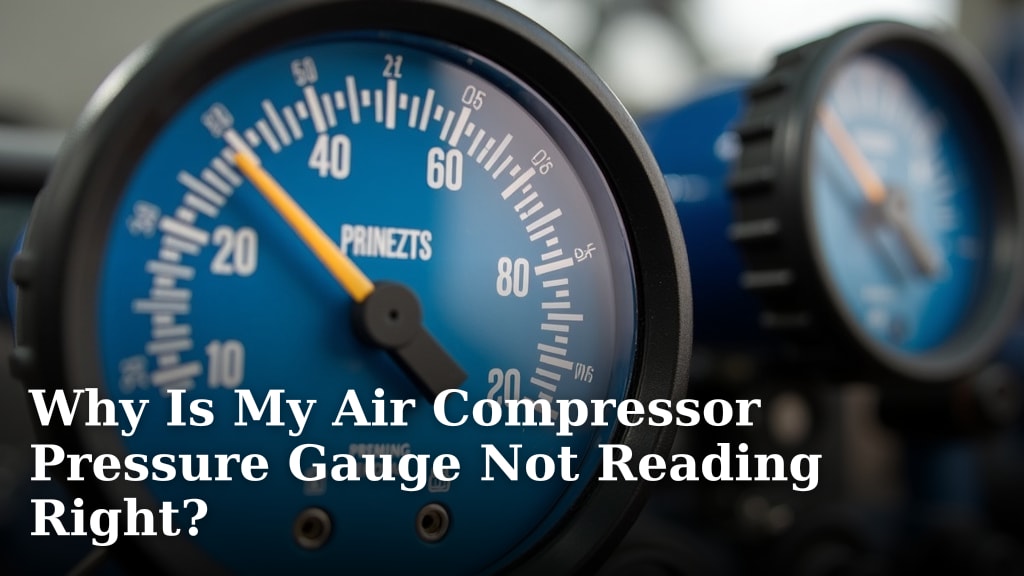
The guide on why is my air compressor pressure gauge not reading right helps you tell a bad gauge from a real pressure loss.
Compare the dash gauge with a known good gauge if you can. If the dash gauge reads 60 psi but the tanks hold 120 psi, the fault is the gauge or its line, not the pump.
Watch the needle while the engine idles. It should climb steadily, not jump, stall, or fall.
A slow climb fits rust, small leaks, or a weak pump. A climb that stops at a set point points to the governor.
How does the governor control tank pressure?
The governor cuts the compressor out at a set high pressure and cuts it back in at a set low pressure. If the cut out point is set too low, the tanks will never fill to full pressure, even with a healthy pump.
Listen for the compressor to stop loading. Note the dash pressure at that moment.
Compare that number with the spec for your truck. A cut out at 90 psi on a system meant to run near 120 psi explains low tank pressure.
Check the air line to the governor for kinks, cracks, or water. A blocked line can keep the governor from sensing tank pressure.
Replace damaged lines and confirm the governor responds at the right points after the fix.
What does the unloader do and how can it fail?
The unloader vents pressure so the compressor can start with less load. When an unloader sticks, the pump may struggle to build pressure or may not load at all.
That fault can look like a dead pump.
You may hear a constant hiss from the unloader area, or the pump may turn freely with no rise in pressure. Oil in the air lines can also gum up small passages and keep the unloader from seating.
Test the unloader with the truck off and pressure bled down, following the service manual for your model. Do not adjust parts you cannot identify.
If the unloader does not vent and reseat cleanly, plan for a shop check.
Why does my Navistar N13 air compressor take so long to fill?
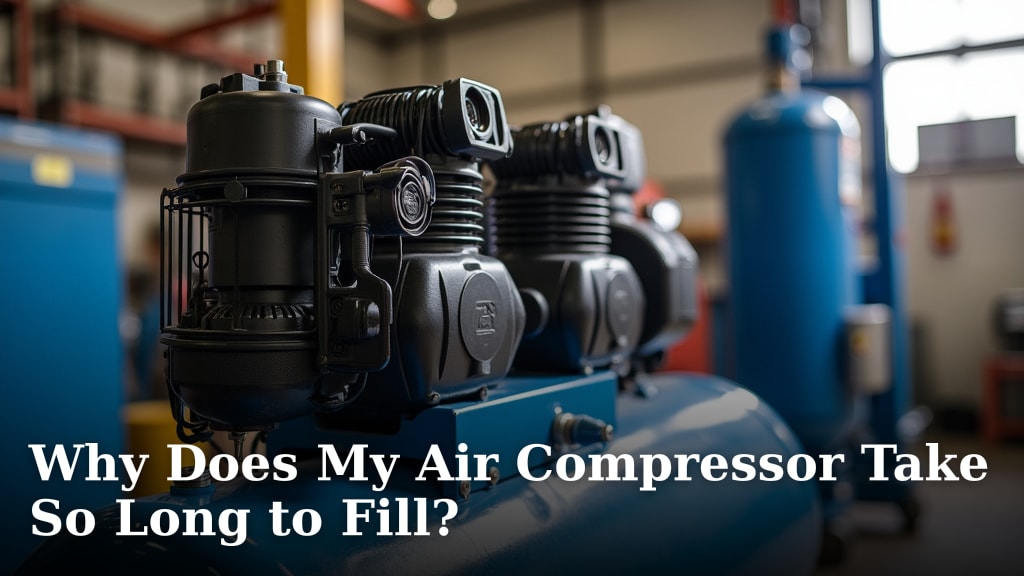
A long fill time with no clear leak often means the pump is losing compression or the air dryer is restricted. The post on why does my air compressor take so long to fill covers the same pattern on shop compressors.
Time a full build from the cut in point to the cut out point. Note the time and the starting pressure.
Repeat the test after you fix leaks. Little change after leak work points to the pump or dryer.
Check the air intake and filter. A clogged intake starves the pump and slows the build.
Clean or replace the filter element, then time the build again. That simple step rules out a cheap cause first.
How do you test for a worn pump without pulling it?
Listen for blow by and feel for heat. A worn pump may run hot, make a new noise, or pass oil into the air system.
Oil in the tanks or lines is a sign to check the pump seals and rings.
Use a mechanic to do a compression style test if your shop offers one. That test gives a clear answer on pump health.
It also keeps you from buying parts based on a guess.
Where are the most common leaks on a heavy truck air system?
Small leaks add up. Check the tank drain cocks first, since they collect water and grit.
A dirty drain cock can leak even when it looks closed.
Check push to connect fittings, hose ends, and the air dryer purge valve. The dryer purges with each cycle, and a valve that stays open will drain pressure fast.
Spray each joint and watch for bubbles.
That shop unit suits bench work, not truck use. It can power a blow gun or a small impact tool while you spray test lines.
Keep it out of the truck air system, since it is not a replacement for the engine driven pump.
Can a compressor that runs all the time still be faulty?
Yes. A pump that never cuts out may have a governor fault, a large leak, or low compression.
Constant running wears the pump and wastes fuel, so treat it as a fault to fix, not a sign of effort.
If the pump runs nonstop but pressure climbs very slowly, check the governor line and the cut out point first. If pressure climbs to spec but falls fast, hunt the leak.
If neither fits, test pump compression.
The guide to how to fix an air compressor that won't build pressure walks through the same checks in order. Use it to build a checklist for your truck, then work from leaks to governor to pump.
What if the compressor will not shut off?
A pump that will not shut off can point to a governor that does not sense pressure, a blocked line, or a stuck unloader. That fault is the mirror of a pump that will not build pressure.
The post on why is my air compressor not shutting off explains the governor side of the fault.
Do not ignore this fault. Constant running can overheat the pump and dry out the air dryer faster.
Note the pressure when the pump should cut out, then check the governor line for a block.
If the governor line is clear and the cut out point is correct, the unloader or the pump drive may be at fault. A shop can test those parts with the system under pressure.
That test is safer than guessing at adjustments.
When should you stop and get shop help?
Stop and get help when pressure will not build after leak and governor checks, when the pump runs hot, or when oil floods the air lines. Those signs point to internal wear that needs parts and tools you may not have on the truck.
Also get help if brake pressure drops fast or if the dash warning light stays on. Air pressure supports more than the tanks.
Low pressure can affect brakes, so do not drive on a guess.
That portable unit helps with tires, not with filling truck tanks. It can keep a tire safe to move to a shop.
It cannot replace the engine driven compressor or fix a leak in the truck system.
How can you keep the air system healthy after a repair?
Drain the tanks daily in cold weather and more often in wet weather. Water causes rust, and rust eats seals and valves.
The post on why is my air compressor tank rusting shows how moisture damages tanks over time.
Check the air dryer cartridge on schedule. A spent cartridge lets moisture pass to the tanks and lines.
Change it at the interval in your manual, not when a fault shows up.
Inspect lines and fittings at each service. Look for chafing, cracked hoses, and loose clamps.
Fix small leaks early, since a small leak forces the pump to run longer and wear faster.
That part fits a different system. It can help a truck move after an A/C compressor fails, but it will not fix low tank pressure.
Keep it in mind only if your truck has both faults at once.
What is the fastest safe order to fix low tank pressure?
Work in this order: gauges, leaks, governor, unloader, then pump. That order finds cheap faults first and keeps you from buying a pump for a leak.
The broader guide on why is my compressor not filling up with air supports the same order.
Record each test result. Note the cut in and cut out pressures, the leak rate, and the fill time.
Those notes help a shop finish the job fast if you need help.
For a Navistar N13 with tanks that will not fill, leaks and governor faults cause most cases. Fix those first, test the pump last, and park the truck if brake pressure is low.
That plan keeps you safe and saves money.
Frequently asked questions
Why is my Navistar N13 air compressor not filling tanks?
Most often a leak in lines or fittings, a governor set too low, or a pump losing compression. Check pressure readings, listen for hissing, and test the governor cut out point.
A pump that runs constantly but builds pressure slowly may need shop diagnosis.
Can I drive with low air pressure in the tanks?
No. Low tank pressure can affect brakes and other air systems.
Park the truck, set the brake, and find the cause before moving. Do not rely on a slow build to get to a shop unless you have checked brake pressure and your situation allows it safely.
What pressure should the tanks reach?
Check your truck placard and manual. Many heavy trucks build to about 120 to 125 psi before the governor cuts out.
The exact cut in and cut out points vary by model and adjustment, so use the figures for your engine and air system.
When does a slow build mean the compressor is worn?
When there are no leaks, the governor opens and closes at the right points, and the pump still builds pressure slowly or loses pressure quickly, internal wear is likely. That pattern points to rings, valves, or an unloader fault that needs a qualified repair.