Pin Nailer vs Brad Nailer: Which Should You Use? (November 2026)
Choose a 23-gauge pin nailer for delicate work where the hole must nearly disappear, and an 18-gauge brad nailer for trim that needs more holding strength. In this pin nailer vs brad nailer comparison, pin nails hide better, while brad nails grip harder and reach farther.
On this page (10 sections)
- Pin nailer vs brad nailer: the quick verdict
- The two side by side: hole size and holding strength
- Hole size: why delicate woodworking favors pins
- Holding strength: why trim favors brads
- Nail length and reach: what each tool can actually drive
- Power source: cordless, pneumatic or manual
- Ease of use: weight, nose access and jam clearing
- Where each tool wins: who should buy which
- Set-up, care and safe habits for either tool
- The verdict on pin nailer vs brad nailer
Choose a pin nailer for tiny, nearly invisible holes and a brad nailer for stronger holding power in trim. This guide compares hole size, holding strength, nail length, power source and cost of ownership.
A 23-gauge pin is thinner than an 18-gauge brad, so it leaves a smaller hole. A brad has a small head that helps it resist pulling out, while a pin is headless by design.
Your choice matters most on finished wood that will show.
Stained oak, walnut and maple show every mark. Painted trim can hide a brad hole with filler, but delicate hardwood cannot.
Start with the job in front of you.


Pin nailer vs brad nailer: the quick verdict
Buy a brad nailer if you mostly install trim, and buy a pin nailer if you mostly do delicate detail work. Most DIYers who finish real rooms get more use from a brad nailer first.
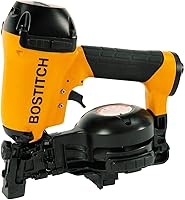
The DEWALT DCN680B drives 18-gauge brads from 5/8 in to 2-1/8 in, so it reaches thick casing and crown. It runs on a 20V MAX battery and needs no gas, compressor or hose.
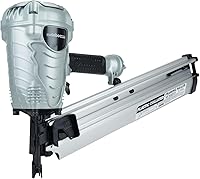
The Metabo HPT NP35A drives 23-gauge headless pins from 5/8 in to 1-3/8 in and weighs 2.0 lb. Its no-mar tip, rear exhaust and depth adjustment help protect cabinets, paneling and small moldings.
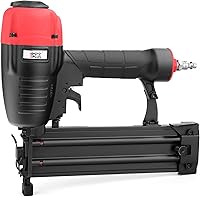
The Arrow PT23G is a compact oil-free pneumatic pin nailer for 3/8 in to 1 in pins. The YEAHOME 4-in-1 staple gun is a manual option, not a true pin or brad nailer.
Our nail gun guide helps place these tools in the wider lineup before you commit to one gauge.
The two side by side: hole size and holding strength
Pin nails win on hole size, and brad nails win on holding strength. That single trade-off decides most of the debate.
A 23-gauge pin is much thinner than an 18-gauge brad, so the entry hole is smaller and easier to hide. A brad nail has a small head that bears against the wood when the piece tries to pull off.
Glue changes the math on both tools. A well-glued miter with pins can hold a small frame tight, while a glued and bradded casing has two systems working together.
| Feature | 23-gauge pin nailer | 18-gauge brad nailer |
|---|---|---|
| Fastener | Headless pin | Brad with small head |
| Hole size | Tiny, near invisible | Small but more visible |
| Holding strength | Light, glue helps a lot | Stronger, better for trim |
| Typical length | 3/8 in to 1-3/8 in here | 5/8 in to 2-1/8 in here |
| Best jobs | Cabinets, frames, small moldings | Casing, crown, baseboards |
| Power here | Pneumatic in both examples | Cordless battery here |
Pick pins when you will stain the wood or use very small pieces. Pick brads when the trim is wide and likely to get bumped by chairs or doors.
Do not judge strength by nail length alone. A long pin can reach deep, but its thin shaft and missing head still limit how much force it can carry.
Hole size: why delicate woodworking favors pins
Pins leave the smallest holes, which matters on stained hardwood and thin moldings. A brad hole on a stained rail can telegraph through the finish even after filler.
The Metabo HPT NP35A lists cabinets, paneling, small moldings and trim, glazing bead, craft work and picture frame assembly. Those jobs share thin stock and visible faces where a smaller hole helps.
The Arrow PT23G targets trim jobs, molding work, crafts and hobby tasks with headless pin nails. Its compact shape helps you place pins close to edges without a large nose blocking your view.
Depth adjustment matters as much as gauge on delicate stock. The Metabo HPT offers depth adjustment for flush drives, and the DEWALT offers tool-free depth adjustment for precise countersinking.
A no-mar tip protects the face before the pin ever fires. The Metabo HPT includes a no-mar tip, and its rear exhaust directs oil and debris away from the work surface.
Test your depth on scrap first, every time.
Our guide to what a pin nailer gun is used for walks through those small-piece jobs in more detail.
Holding strength: why trim favors brads
Brads hold trim better because they are thicker and headed. That extra grip matters on casing, crown and shoe molding that must stay tight for years.
The DEWALT DCN680B drives 18-gauge brads from 5/8 in to 2-1/8 in for decorative molding, casing, kitchen crown and shoe molding. The longer lengths let you anchor into framing or solid backing instead of just thin trim.
Longer brads also bridge small gaps and uneven walls. A 2-1/8 in brad can reach past a shimmed casing into solid wood where a 1-3/8 in pin would stop short.
Brads resist racking when you open and close doors nearby. Baseboards and casing near traffic take bumps, and a headed fastener resists the slow pull that opens a gap over time.
Pins can still hold small pieces when glue does most of the work. Picture frame miters and small bead often rely on glue plus pins, with the pin acting as a clamp while glue cures.
Never rely on pins alone for large crown or wide casing.
If you want a pin nailer tuned for trim work, our best pin nailers for trim page narrows the field by nose style and weight.
Nail length and reach: what each tool can actually drive
Brad nailers reach farther, and that reach opens bigger trim jobs. The DEWALT tops out at 2-1/8 in, while the pin nailers here top out at 1-3/8 in and 1 in.
The Metabo HPT magazine auto-adjusts for 5/8 in, 3/4 in, 1 in, 1-3/16 in and 1-3/8 in pins. That range covers small moldings, paneling and frame stock without swapping magazines.
The Arrow PT23G works best with 3/8 in, 1/2 in, 5/8 in, 13/16 in and 1 in pins. Its shorter range suits thin trim and crafts, but it will not anchor thick casing into framing.
Match length to total stock thickness, not just the trim. Add the trim thickness to the backing you must enter, then pick a fastener long enough to anchor well without poking through the back.
Longer is not always better on thin stock. A fastener that is too long can split a small molding or poke through a cabinet back.
Check the magazine before you squeeze the trigger, as the Metabo HPT has a visual reload indicator.
Our best 23 gauge pin nailer roundup compares pin nailer lengths, nose access and weight.
Power source: cordless, pneumatic or manual
Choose your power source by where you work, not just by the fastener. Cordless freedom helps on stairs and job sites, while pneumatic tools stay light.
The DEWALT DCN680B is 100% battery powered and eliminates gas, compressor and hose. Its brushless motor maximizes runtime and durability, and its micro nose improves line of sight compared with the DC608.
The DEWALT also has tool-free jam release, a stall release lever and low nail lockout. Those features help you clear a jam or avoid dry firing without hunting for a tool.
The Metabo HPT and Arrow are pneumatic, so they need a compressor and hose. Check how much PSI a brad nailer needs as a starting point for air pressure, then follow each manual.
The Arrow PT23G operates on home compressor units up to 100 psi. Pneumatic pin nailers are light because the compressor stays on the floor, with the Metabo HPT at 2.0 lb and the Arrow in die-cast aluminum.
The YEAHOME staple gun is fully manual with power adjustment from low to high. It suits upholstery and crafts, but it will not drive trim pins with the speed of an air or cordless tool.
Look at our best air compressor for brad nailer guide if you go pneumatic.
For cordless pin options, our best cordless 23 gauge pin nailers page covers battery pin nailers if you want pin holes without a hose.
Ease of use: weight, nose access and jam clearing
A smaller nose and lighter body help you place fasteners exactly where you aimed. That control matters more on small pieces than raw power does.
The DEWALT micro nose improves line of sight and accuracy of nail placement. Its selectable trigger switches between sequential and contact actuation, so you can place each brad deliberately on finished trim.
The DEWALT LED lights help with workspace illumination and tool diagnostics. Its belt hook adjusts for left or right attachment, and the tool weighs 1.8 kg in the specs.
The Metabo HPT uses a dual trigger for safe and accurate placement. It also has a large housing shield, a large capacity magazine and a hex bar wrench in the box.
The Arrow PT23G has an easy side-load magazine that makes loading and clearing jams easier. Its overmold rubber grip and exhaust cover help you hold the tool comfortably, and its safety trigger requires a two-step action.
The YEAHOME staple gun has a steel handle with over-molded grip and bottom load design for quick loading. Practice on scrap until placement feels boring, then check depth and straightness before you touch the real piece.
Where each tool wins: who should buy which
Buy the DEWALT DCN680B if your main jobs are casing, crown, baseboards and shoe molding. It is the strongest choice here for trim that must hold, and it frees you from hoses.
Buy the Metabo HPT NP35A if you do cabinets, paneling, glazing bead and frames with a compressor already in the shop. Its pin range, no-mar tip and 2.0 lb weight suit delicate work all day.
Buy the Arrow PT23G if you want a compact, oil-free pneumatic pin nailer for crafts and small trim. Its side-load magazine and small body help in tight spots, and it needs no oil.
Buy the YEAHOME 4-in-1 staple gun if your work is upholstery, crafts and light repairs. It accepts four staple shapes and includes 4000 staples, but it is a manual stapler, not a finish nailer.
Do not buy a pin nailer as your only finish tool if you plan to install door casing soon. Do not buy a brad nailer as your only tool if you mostly build small frames and cabinets.
Many shops end up with both tools. A brad nailer handles rooms, and a pin nailer handles the small pieces that a brad would mark or split.
Set-up, care and safe habits for either tool
Set depth on scrap, wear eye protection and keep fingers clear of the nose. Those three habits prevent most marks, splits and injuries with any nailer.
For pneumatic tools, check pressure before the first fastener. The Arrow maker says to ensure correct and consistent air pressure, and the Metabo HPT has depth adjustment for flush drives.
For the cordless DEWALT, confirm the battery charge and fastener strip before you climb a ladder. Its low nail lockout helps prevent dry firing, but a dead battery mid-casing still costs time.
Keep the nose clean and the magazine free of debris. Wipe the tool after dusty jobs, store it dry and follow the manual for oiling, since the Arrow PT23G is oil-free while other pneumatic tools may differ.
Use the rear exhaust to keep oil and debris off the wood. The Metabo HPT directs exhaust away from the work surface, and the Arrow exhaust cover lets you direct exiting air flow.
Store pins and brads dry and labeled by gauge and length.
The verdict on pin nailer vs brad nailer
Pick a brad nailer for trim and a pin nailer for delicate, nearly invisible fastening. That rule answers the question for most buyers.
Pick the DEWALT DCN680B for cordless brad work on casing, crown and shoe molding. Its 18-gauge brads run from 5/8 in to 2-1/8 in, with a brushless motor, micro nose and tool-free depth adjustment.
Pick the Metabo HPT NP35A for pneumatic pin work on cabinets, paneling, bead and frames. Its 23-gauge pins run from 5/8 in to 1-3/8 in, at 2.0 lb, with a no-mar tip.
Pick the Arrow PT23G for compact oil-free pin work in tight spots. Its pins run from 3/8 in to 1 in, with side-load magazine access and die-cast aluminum construction.
Pick the YEAHOME staple gun only for manual stapling jobs. It fills a different role in upholstery and crafts, and it does not replace a pin or brad nailer for finish trim.
Start with the piece you will fasten most often. If that piece is wide trim, buy brads first.
If it is small, stained or thin, buy pins first.
Next, read our nail gun guide to confirm the gauge for your project, then match the tool to the fastener length your stock actually needs.
Frequently asked questions
What is a pin nailer vs brad nailer in simple terms?
A pin nailer drives thinner 23-gauge headless pins with tiny holes and less holding strength. A brad nailer drives thicker 18-gauge brads with small heads, deeper reach and stronger grip.
Choose pins for invisible fastening and brads for trim that must hold.
Which holds stronger, a pin nailer or a brad nailer?
A brad nailer holds stronger because its 18-gauge brad is thicker than a 23-gauge pin and has a head that resists pull-through. Pins work best when glue, fit and light load help hold the piece.
Use brads for casing, crown and baseboards that face daily bumps.
Can a pin nailer replace a brad nailer?
A pin nailer can replace a brad nailer for small moldings, glazing bead, crafts and picture frames where glue and fit carry the load. It is a poor replacement for large casing or crown that needs shear strength.
Match the fastener to the piece size and the force it will face.
What nail lengths do pin and brad nailers use?
The Metabo HPT pin nailer uses 5/8 to 1-3/8 inch pins, and the Arrow PT23G uses 3/8 to 1 inch pins. The DEWALT cordless brad nailer drives 5/8 to 2-1/8 inch brads.
Longer brads reach thicker trim and anchor deeper into the framing.