How to Choose an Electric Right Angle Die Grinder
For most confined work, a corded electric right angle die grinder with variable speed and a 1/4 in collet is the safest first choice. It gives steady power without an air compressor, lets you slow down for blending, and fits the most common grinding and cutting bits.
On this page (10 sections)
- How does a right angle die grinder electric model differ from other types?
- Which power source fits your workshop best?
- What speed control do you need for grinding and cutting?
- Which collet size fits the bits you plan to use?
- How do you judge head size and reach for confined work?
- What bits and wheels work best with a right angle die grinder?
- How do Ingersoll Rand and other brands compare for build and support?
- What safety checks should you do before each use?
- How do you set up, use and care for the tool over time?
- Which electric right angle die grinder should you buy first?
For most confined work, a corded electric right angle die grinder with variable speed and a 1/4 in collet is the safest first choice. It gives steady power without an air compressor, lets you slow down for blending, and fits the most common grinding and cutting bits.
That basic setup covers deburring, smoothing welds, cutting thin metal and cleaning rust in corners. You can also use it for porting small parts, shaping brackets and removing paint or scale.
The rest of this guide explains how to choose between electric, pneumatic and cordless power. It also covers speed control, collet choices, bit types and safety checks.
We compared the key specs you'll see on electric right angle die grinders. That includes power source, speed range, collet size and head shape.
How does a right angle die grinder electric model differ from other types?
An electric right angle die grinder uses a corded motor or a battery, while the head turns the bit at a right angle to the handle. The angled head is the main reason to buy this shape, because it reaches into corners and recessed areas.
A straight die grinder holds the bit in line with the body. That shape can be better for long reach in open spaces, but it can be awkward in a tight corner.
An air die grinder runs from a compressor through a hose. It can be light and powerful for shop use, but it needs compressor capacity, dry air and hose management.
An electric model avoids those setup steps. You plug it in, fit the collet and start work.
That makes it a good fit for garages and workshops without a large compressor.
If you are still deciding between power types, read what is a right angle die grinder used for first. That guide explains the jobs this tool does best.
You should also check Can You Use an Air Compressor for a Die Grinder? if you already own a compressor. Compressor size, air flow and moisture control can change which tool makes sense.
Rule: Choose the right angle head for access first, then choose the power source that fits your shop.
Which power source fits your workshop best?
Power source is the first big choice for a right angle die grinder electric model. Corded electric is the simplest option for steady, ready-to-use power.
It suits repeated work at a bench where an outlet is close by.
Cordless electric gives you freedom from cords. That freedom helps on ladders, in vehicles and in wide work areas.
The trade-off is battery runtime, charging time and sometimes lower power under load.
Pneumatic models run on compressed air. They can be compact and strong, but they depend on compressor output and air quality.
Our best air die grinder guide covers that route in more detail.
For home and small-shop use, corded electric often wins on simplicity. You do not need to manage air pressure, drain moisture or keep batteries charged.
Cordless models suit mobile work better. They are useful when a cord would tangle around a frame, engine or large workpiece.
Pneumatic tools suit shops that already run air tools all day. In that setting, an air grinder can sit beside other tools on the same supply line.
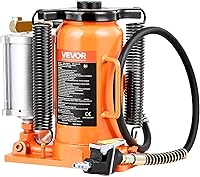
That example is not a die grinder, but it shows the setup pattern for air tools. The kit includes a tool, a retainer and attachments, and it does not include an air compressor.
Rule: Pick corded electric for bench work, cordless for mobile work, and pneumatic only if your compressor already supports it.
What speed control do you need for grinding and cutting?
Speed control lets you match the bit to the material and the finish you want. Variable speed is more useful than a single fixed speed for most buyers.
Slow speeds help with blending, polishing and light deburring. They also give you more control when a bit catches or when you work near painted surfaces.
Higher speeds suit fast stock removal, cutting thin metal and using small carbide burrs. The right speed depends on the bit size, the material and the type of head you fit.
A dial or thumbwheel gives you direct control. A trigger with variable response can feel natural, but a separate speed dial can be easier to set and hold.
Check the speed range in rpm, not just the maximum. A tool that only runs at top speed can be hard to control for detail work.
Also check whether the motor holds speed under load. Some makers state that the tool maintains speed for consistent results.
Others only give a no-load range.
Our best air angle die grinder roundup shows how speed and head style are compared for air models. The same checks apply when you compare electric models.
Rule: Choose variable speed if you will switch between grinding, cutting and finishing tasks.
Which collet size fits the bits you plan to use?
The collet holds the bit and sets the maximum bit diameter you can use. A 1/4 in collet is the best starting size for most general work.
That size fits many common grinding stones, carbide burrs, wire brushes and cut-off wheels. It gives you a wide choice of bits without needing special adapters.
Smaller collets, such as 1/8 in, suit fine detail work and small burrs. They can help in very tight spaces, but they limit the bits you can fit.
Larger collets can hold bigger bits, but only if the tool, collet and bit are all rated for that size. Never force a bit into a collet that is too small.
Check the collet type before you buy. Some tools use a standard collet, while others use a proprietary system.
The bit shank must match the collet exactly.
Also check how the collet changes. A tool that needs two wrenches is common, but the exact process varies by model.
Read the manual for the correct steps.
If you plan to use several bit sizes, ask whether extra collets are available. That can save you from buying a second tool later.
For metal work on an air setup, read Can You Use an Air Compressor with a Die Grinder for Metal Work?. It explains when air power suits grinding and cutting.
Rule: Start with 1/4 in unless your bits are all small detail bits that need a smaller collet.
How do you judge head size and reach for confined work?
Head size and head depth decide whether the tool fits your work area. A slim right angle head with a longer bit usually reaches farther than a bulky head with a short bit.
Measure the space around the job before you buy. Check the width, depth and height of the corner or recess you need to reach.
The bit length matters as much as the head. A longer bit can reach deeper, but it can also flex or vibrate more during grinding.
The tool body also matters. A long or thick body can hit nearby panels, pipes or frames before the bit reaches the target.
Check the direction of the head and whether it can be rotated. Some models let you change the head position for left- or right-handed use.
Also check the weight and balance. A tool that feels fine on a bench can feel heavy when you hold it overhead or at an awkward angle.
For a general overview of these tools, our air tools buying guide puts die grinders in the wider context of workshop tools. It helps you see how this purchase fits with other equipment.
Rule: Measure the tightest space first, then choose the head and bit length that fit it.
What bits and wheels work best with a right angle die grinder?
Bits and wheels do the actual cutting and grinding, so they matter as much as the tool. Carbide burrs, grinding stones and cut-off wheels cover most jobs for a first setup.
Carbide burrs cut and shape metal fast. They suit deburring, porting and smoothing edges, but they can bite hard if you push too fast.
Grinding stones remove material and smooth surfaces. They are useful for welds, rust removal and shaping, and they come in many shapes for different corners.
Cut-off wheels slice thin metal, bolts and brackets. Use only wheels rated for the tool speed and the collet size you fit.
Wire brushes clean rust, paint and scale. They work well for surface prep, but they need the right speed and a firm grip on the bit.
Flap wheels and sanding drums blend and finish surfaces. They help you move from rough grinding to a smoother result without changing tools.
Always match the bit diameter to the collet. Also match the bit's maximum rpm to the tool's speed range.
That kit includes a long-barrel hammer, a quick-change retainer and a 5-piece chisel set. It is a reminder that the attachments you fit shape the tasks you can do.
Rule: Buy a small starter set of burrs, stones and cut-off wheels, then add specialty bits only for jobs you actually do.
How do Ingersoll Rand and other brands compare for build and support?
Brand matters for build quality, parts and support. Ingersoll Rand is one of the best known names in pneumatic tools, so it's a useful benchmark when you compare electric and air models.
Our best ingersoll rand die grinder guide compares models from that brand. It can help you see how features, head styles and price tiers differ.
When you compare brands, look at motor or air motor power, speed control, collet options and head shape. Those specs tell you more than the badge alone.
Also check parts and service support. A tool with available collets, bits and repair parts can stay useful for years.
Warranty terms vary by brand and seller. Check the exact terms before you buy, and keep the manual and receipt in a safe place.
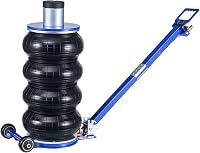
This air jack lifts up to 26.5 in with its extension column and supports up to 6 tons. It connects to an air compressor and includes US and EU couplers.
It is not a die grinder, but it shows an important point. Air power is a system, and the tool, supply and fittings must all match.
Rule: Compare specs, parts support and warranty terms across brands rather than choosing on name alone.
What safety checks should you do before each use?
Safety starts with matching the bit, collet and tool speed. Never run a bit above its rated speed, and never use a damaged or bent bit.
Inspect the bit, wheel and collet before each use. Look for cracks, chips, loose mounting and worn shanks.
Wear eye protection, hearing protection and gloves suited to the task. Grinding can throw sparks, dust and small metal pieces.
Secure the workpiece before you start. Clamp small parts firmly so they cannot spin or fly off during use.
Keep the cord or hose away from the cutting path. Electric tools need cord management, while air tools need hose management to prevent trips and tangles.
Let the tool reach full speed before it contacts the work, unless the maker gives different instructions for your model. Move in a controlled way and avoid forcing the bit.
Stop and check the tool if you feel unusual vibration, hear a new noise or see the bit wobble. Those signs can point to a loose collet, a damaged bit or a worn tool.
Rule: Check bit rating, collet fit and workpiece security every time you fit a new bit.
How do you set up, use and care for the tool over time?
Good setup makes the tool easier and safer to use. Fit the bit straight, tighten the collet firmly and test the speed control before you touch the work.
Start with the collet and bit. Clean the collet and bit shank, then fit the bit to the correct depth for your model.
Tighten the collet with the correct wrenches or hand method for that tool. Do not over-tighten, and do not use a bit that does not match the collet size.
Set the speed for the bit and material. Start slower for blending and detail work, then increase speed only when the bit and task allow it.
Use light pressure and keep the bit moving. Heavy pressure can stall the motor, overheat the bit or cause it to catch.
After use, let the tool cool, then clean dust from the head, vents and collet area. Store bits separately so they do not damage each other.
For electric tools, check the cord for cuts or damage. For cordless tools, store batteries at a moderate charge and follow the maker's charging guidance.
For air tools, drain moisture from the compressor system and use clean, dry air as the maker directs. Moisture can harm the air motor and reduce performance.
Rule: Clean, inspect and store the tool after each session so the next job starts with a reliable setup.
Which electric right angle die grinder should you buy first?
For a first purchase, a corded electric right angle die grinder with variable speed and a 1/4 in collet is the best all-around choice. It balances power, control, bit choice and simple setup.
Choose cordless if you work away from an outlet or on vehicles and large frames. Choose pneumatic if your shop already has a compressor that can support air tools all day.
Choose a smaller collet only if your work is mostly fine detail. Choose a compact head if your main jobs are in tight corners and recesses.
If you already use air tools, compare the options in our best air die grinder guide before you decide. That guide helps you judge whether air power fits your needs.
If you want a known brand benchmark, check our best ingersoll rand die grinder guide as well. It gives you a useful point of comparison for build, features and support.
For the full picture of pneumatic options, start with our air tools buying guide. Then narrow your choice by power source, speed control and collet size.
Final rule: Pick the tool that fits your tightest work space, runs from the power you already have, and lets you control speed for the bits you plan to use.
Frequently asked questions
Is an electric right angle die grinder better than an air one for home use?
An electric model is usually simpler for home use because it runs from a wall outlet and does not need an air compressor, hose or moisture control. An air model can suit a shop that already has a compressor and wants a lighter tool.
Your work area and power source decide the better fit.
What collet size should I choose for a right angle die grinder?
A 1/4 in collet is the common starting point because it fits many grinding stones, carbide burrs and cut-off wheels. A smaller collet can suit fine detail work, while larger bits need a tool and collet rated for them.
Always check the bit diameter against the collet before you start.
Do I need variable speed on an electric die grinder?
Variable speed helps you match the tool to the task, from slow blending and polishing to faster grinding and cutting. A single-speed tool can work for one repeated job, but it gives you less control in tight spots.
If you use several bit types, variable speed is worth choosing.
Can a right angle die grinder reach inside an engine bay?
The right angle head helps reach corners and recessed areas that a straight die grinder cannot reach as easily. You still need to check head depth, bit length and tool body size against the space around the work.
A compact head with a long bit often gives better access than a larger grinder.