
What Fittings Do I Need for an Air Compressor?
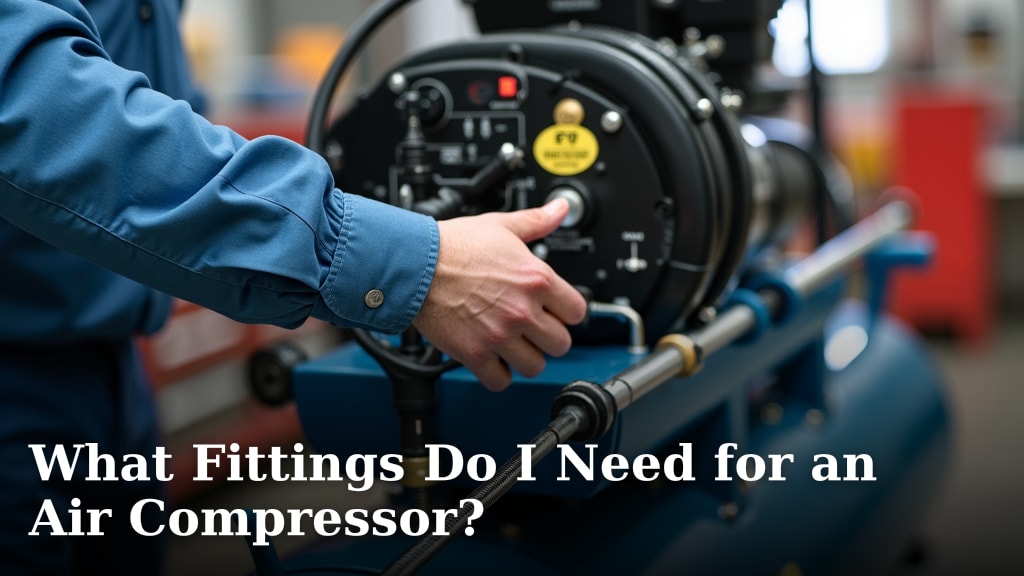
The fittings you need for an air compressor primarily depend on your tools and tasks, but quick-connect couplers and plugs are universal. You will also need air hoses and adapters to ensure everything connects properly. Selecting the right components makes your air tools work efficiently.
Getting the right air compressor fittings can feel a bit like solving a puzzle, right? We’ve found that understanding common types like NPT, universal, and industrial fittings is key. Different tools often require specific connections for safe and effective operation.
TL;DR:
- Most air tools use quick-connect fittings.
- NPT fittings are common for plumbing and air lines.
- Hose size matters for airflow and tool performance.
- Always match male and female fitting types.
- Choose durable materials for longevity.
Ready to get your air compressor setup just right? Let’s walk through all the essential fittings and how to choose them, step by step.
Essential Air Compressor Fittings for Your Setup
Setting up your air compressor doesn’t have to be a guessing game. The right fittings ensure your tools run smoothly and safely. Let’s break down what you need. Our guide to the best air compressor fittings can help you choose the right components for your setup.
Understanding Quick-Connect Couplers and Plugs
These are the bread and butter of any air compressor setup. Think of them as the hands that shake, making connections quick and easy. You’ll find them almost everywhere.
The Role of Quick-Connects
Quick-connects allow you to rapidly attach and detach air tools without turning off your compressor. This saves you time and effort on the job. We found they are a staple in most workshops.
Male vs. Female Connections
It’s like a lock and key. Couplers are typically female, housing a spring-loaded valve. Plugs are male, inserting into the coupler to create a seal. You’ll need both for each tool.
You’ll often hear about different “styles” of quick-connect fittings. This is where things can get a little tricky, but we’ll simplify it for you.
Common Quick-Connect Styles
There are several common styles, and it’s vital to match them up. Mixing styles can lead to leaks or even prevent a connection entirely. We’ve seen this cause frustration for many users.
- Industrial (M-Style or Type D): This is perhaps the most common style in general-purpose applications. You’ll find these widely available.
- Automotive (T-Style or Type H): Often used in automotive shops, these have a slightly different profile.
- Aro (A-Style or Type A): Another popular option, especially for manufacturing and industrial settings.
- Lincoln (L-Style or Type G): Less common for hobbyists, but you might encounter them.
- Universal (U-Style): These are designed to connect with several other styles. They offer more flexibility.
Always double-check the style before buying. A quick look at the packaging or a quick online search for your tool’s requirements will help immensely. Most manufacturers specify the style.
Navigating Threaded Fittings: NPT Explained
Beyond quick-connects, you’ll encounter threaded fittings. These are often used for more permanent connections or adapting different components. The most common type is NPT.
What is NPT?
NPT stands for National Pipe Taper. It’s the standard for threaded pipes and fittings in the United States. The threads are tapered, meaning they get slightly narrower as they go in. This design helps create a strong, leak-free seal when tightened.
You’ll see NPT sizes like 1/4″ NPT, 3/8″ NPT, or 1/2″ NPT. This refers to the nominal inside diameter of the pipe, not the actual measurement of the threads. It can be a bit confusing, but trust us, it’s standard.
Male NPT vs. Female NPT
Just like quick-connects, you have male and female NPT. A male NPT fitting has threads on the outside, while a female NPT fitting has threads on the inside. They must match perfectly to create a seal.
Sealing NPT Connections
Because NPT threads are tapered, they create a mechanical seal when tightened. However, to prevent leaks, you’ll always want to use a thread sealant. We recommend either PTFE tape (also known as Teflon tape) or a liquid pipe thread sealant. These materials fill tiny gaps and prevent air from escaping. Many plumbers rely on these methods (PlumbingSupply.com).
Air Hoses: The Lifelines of Your System
Your air compressor is only as good as the hose that delivers the air to your tools. Choosing the right hose size and material is crucial for performance and durability.
Hose Diameter: A Critical Choice
The inside diameter (ID) of your air hose directly impacts airflow. A larger ID means more air can flow through, which is vital for tools that require a lot of air, like impact wrenches or grinders.
- 1/4″ ID Hoses: Good for smaller tools like nail guns, staplers, or blowguns. They are lightweight and easy to maneuver.
- 3/8″ ID Hoses: This is a great all-around size for many common air tools. It provides a good balance of airflow and flexibility.
- 1/2″ ID Hoses and Larger: Essential for high-demand tools or for running air over long distances. They prevent pressure drop, keeping your tools working at peak efficiency.
Using a hose that’s too small for your tool is like trying to drink a thick milkshake through a coffee stirrer. It just doesn’t work well!
Hose Material Matters
Air hoses come in various materials, each with its own benefits:
| Material Type | Pros | Cons |
|---|---|---|
| PVC | Lightweight, inexpensive. | Stiffens in cold, kinks easily. |
| Rubber | Flexible in cold, durable, less kinking. | Heavier, more expensive, can leave marks. |
| Polyurethane | Very flexible, lightweight, kink-resistant, durable. | More expensive than PVC. |
| Hybrid | Combines best of rubber and PVC, good flexibility. | Mid-range price, good all-around. |
Consider your working environment. If you work in cold temperatures, a rubber or polyurethane hose will be much easier to manage than a stiff PVC one.
Regulators, Filters, and Lubricators (FRLs)
These components are like a spa treatment for your air. They clean, control, and sometimes oil the air before it reaches your tools. Not every setup needs all three, but they are important to consider.
Air Pressure Regulators
A regulator controls the working air pressure going to your tools. Your compressor might produce 150 PSI, but your nail gun only needs 90 PSI. A regulator steps that pressure down to a safe and effective level. This protects your tools and ensures consistent performance. Discovering the best air compressor regulator can help you maintain consistent pressure for your tools.
Air Filters
Air filters remove moisture, dirt, and debris from the compressed air. This is crucial for painting, plasma cutting, or any application where clean, dry air is essential. Moisture in your air lines can rust tools and ruin paint jobs. We’ve seen firsthand how a good filter can extend tool life.
Air Lubricators
Lubricators add a fine mist of oil into the air stream. Certain air tools, like impact wrenches and air sanders, require constant lubrication to operate efficiently and prevent wear. If your tools call for it, a lubricator is a must. Just be aware that tools used for painting should never have lubricated air going through them.
Adapters and Manifolds: Expanding Your Options
Sometimes you need to connect different sizes or types of fittings. That’s where adapters come in. Manifolds allow you to run multiple tools from one air line.
Using Adapters
Adapters bridge the gap between different thread sizes or quick-connect styles. For example, you might have a compressor with a 1/2″ NPT outlet and a hose with 3/8″ NPT fittings. An adapter makes that connection possible. Always choose an adapter made from durable materials.
Air Manifolds and Splitters
An air manifold, or splitter, allows you to connect multiple air hoses or tools to a single air supply. This is super handy if you have several tools you use frequently and don’t want to constantly switch them out at the compressor. They come with multiple quick-connect ports.
Putting Together Your Air Compressor Fitting Checklist
To help you get started, here’s a quick checklist of fittings you might need for a typical air compressor setup.
- Quick-connect couplers (female) for each tool.
- Quick-connect plugs (male) for each tool and hose end.
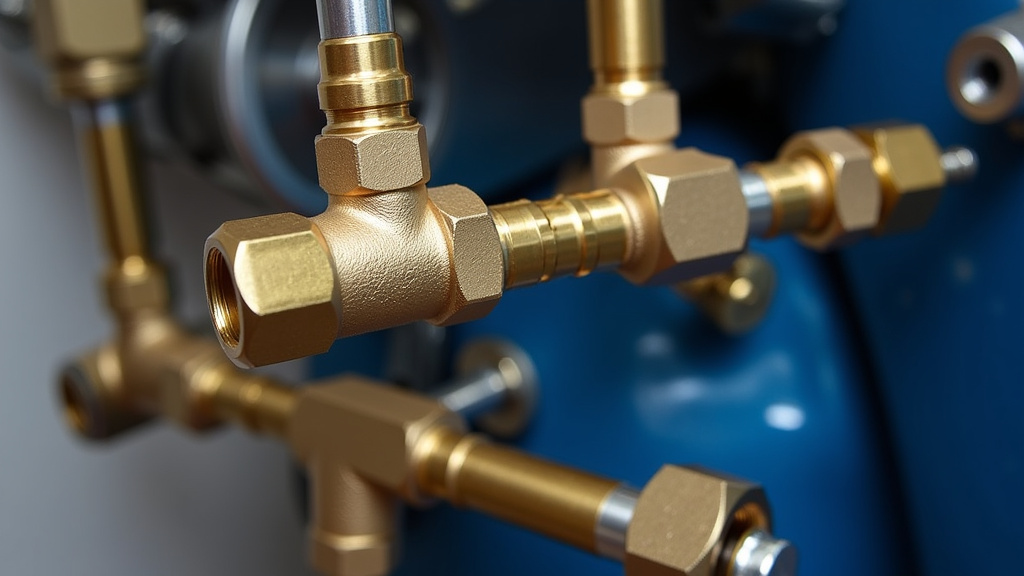
- Appropriate NPT fittings for your compressor outlet.
- Air hose(s) of the correct diameter and length.
- PTFE tape or liquid pipe thread sealant.
- Air regulator (if your compressor doesn’t have one or you need more precise control).
- Air filter (especially for painting or sensitive tools).
Conclusion
Choosing the right air compressor fittings doesn’t have to be overwhelming. By understanding quick-connect styles, NPT threading, and hose requirements, you can build a system that works efficiently and safely for your projects. Always prioritize matching components and using proper sealants to avoid leaks and maintain performance. With this knowledge, you’re ready to confidently select the components you need for a smooth air tool experience. Take your time to assess your tools and tasks, and you’ll create a reliable setup.
Frequently Asked Questions
How do I know what quick-connect style my air tools use?
Most air tool manufacturers specify the quick-connect style in the product manual or on their website. If not, you can often compare your tool’s plug to images of common styles online, or take it to a hardware store for identification assistance.
Can I mix different quick-connect styles, like an Industrial plug with an Automotive coupler?
No, you should not mix different quick-connect styles. While some might seem to fit, they won’t create a proper seal and can lead to air leaks or even tool disconnection under pressure, which is unsafe. Always match styles for secure connections.
Is Teflon tape necessary for all NPT connections?
Yes, we strongly recommend using PTFE (Teflon) tape or a liquid pipe thread sealant on all NPT connections. Although NPT threads are tapered to create a seal, the sealant fills microscopic gaps, preventing air leaks and making disassembly easier in the future.
Why is my air tool not getting enough pressure, even with a large compressor?
One common reason for low pressure at the tool is using an air hose with too small an internal diameter. A narrow hose restricts airflow, causing a significant pressure drop, especially over longer distances or with high-demand tools. Ensure your hose ID is appropriate for your tools.
What’s the best way to prevent moisture from damaging my air tools?
The best way to combat moisture is by installing an air filter (often called a water separator) near your compressor or at the point of use. Draining your compressor tank regularly also removes accumulated moisture, protecting your tools and air lines.
