
What Is a Filter Regulator Lubricator Combo Unit?
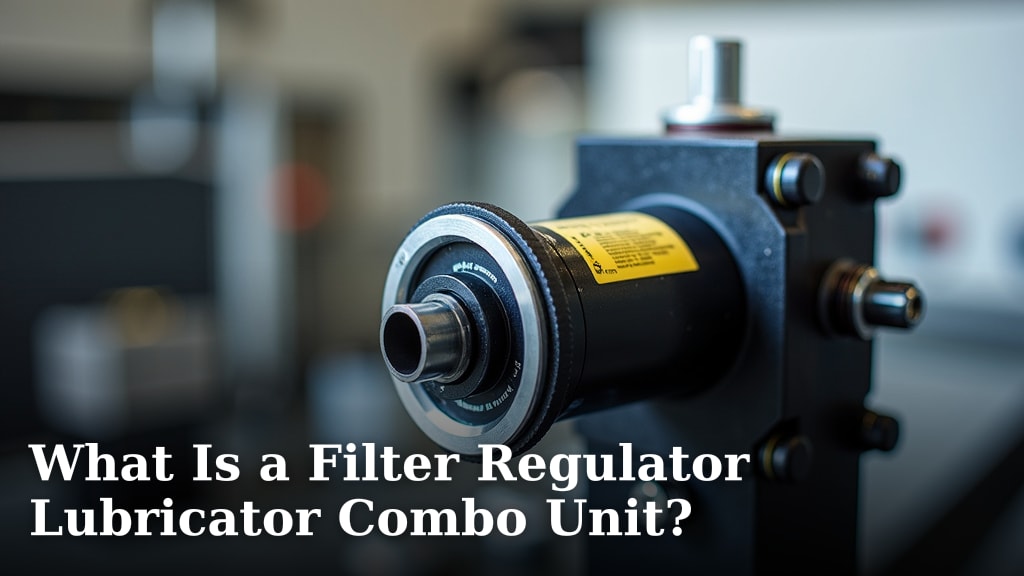
A filter regulator lubricator (FRL) combo unit is a single device that combines three essential air preparation functions: filtering out contaminants, regulating air pressure, and lubricating moving parts. You’ll find these units critical for ensuring your pneumatic tools run smoothly and last longer. They act as the frontline defense for your air-powered equipment, keeping it in top shape.
Think of an FRL unit as the air quality control center for your workshop. It cleans your compressed air, sets the perfect working pressure, and adds just the right amount of oil. This trio of actions helps prevent damage and maintain consistent performance for everything from small air brushes to larger impact wrenches.
- It’s a 3-in-1 air prep tool.
- Filters clean air, regulators control pressure.
- Lubricators add oil for smooth operation.
- Protects your pneumatic tools from damage.
- Ensures consistent tool performance.
Let’s walk through exactly what each part of this handy combo unit does and why it’s so important for your air system.
Understanding Your Filter Regulator Lubricator (FRL) Unit
So, what exactly is this FRL combo unit we’ve been hearing about? It’s your pneumatic system’s best friend. It’s a single, compact device that takes raw compressed air and makes it perfect for your tools. It does this by performing three vital jobs: cleaning the air, controlling its pressure, and adding a bit of oil. Think of it as the air barista, serving up perfectly prepared air for every tool.
The Three Pillars of FRL Performance
An FRL unit is really three tools in one. Each part plays a key role in ensuring your pneumatic equipment runs efficiently and reliably. Understanding each component helps you appreciate why this combo unit is so important for your workshop. Let’s break down each function.
The Filter: Your First Line of Defense
Compressed air isn’t always clean. Your air compressor can introduce moisture, oil, and tiny particles into the air stream. If these get into your tools, they can cause wear and tear. The filter is the first step in cleaning this air. It uses a mesh or porous material to catch these unwanted bits. This keeps your tools running smoothly. It’s like a coffee filter, but for air. This prevents costly damage.
What it does:
- Removes dust, rust, and other solid particles.
- Separates out moisture and oil carried by the air.
- Protects downstream components from abrasive wear.
We found that a clogged filter can reduce air flow. This means your tools might not perform at their best. Many maintenance guides suggest checking and cleaning your filter regularly. This is a simple step that can extend tool life significantly.
The Regulator: Setting the Right Pressure
Different pneumatic tools need different air pressures to operate correctly. Too much pressure can damage the tool or even make it unsafe to use. Too little pressure means it won’t perform its job effectively. The regulator’s job is to take the potentially fluctuating pressure from the compressor and deliver a consistent, set pressure. You adjust it to the specific requirements of the tool you are using.
How it works:
- It monitors the downstream air pressure.
- It adjusts a spring-loaded valve to maintain the set pressure.
- This prevents over-pressurization of your tools.
Research shows that operating tools at their specified pressure is key to both performance and safety. For example, many air impact wrenches require a specific PSI to deliver adequate torque (Ingersoll Rand). Operating them outside this range can lead to poor results or even premature failure.
The Lubricator: Keeping Things Moving Smoothly
Many pneumatic tools have moving parts, like pistons, gears, and valves. These parts need lubrication to reduce friction and prevent wear. The lubricator adds a fine mist of special oil to the compressed air stream. This oil is carried to the tool’s internal components. It ensures that everything keeps moving freely. Think of it as a tiny oil delivery system for your air tools.
Key functions:
- Injects a controlled amount of oil into the air.
- Distributes the oil mist throughout the air lines.
- Reduces friction and wear on internal tool parts.
It’s important to use the correct type of oil in your lubricator. The manufacturer of your FRL unit or your tools will usually specify this. Using the wrong oil can actually cause problems. We found that most manufacturers recommend specific synthetic oils for pneumatic equipment. These are designed to atomize well and provide excellent lubrication without gumming up the works.
Why Combine Them? The Benefits of an FRL Unit
You might be wondering if you really need all three functions in one unit. The answer is a resounding yes, especially if you use pneumatic tools regularly. Combining these functions into a single FRL unit offers several practical advantages.
Space and Cost Savings
Instead of buying a separate filter, regulator, and lubricator, you get all three in one package. This means less plumbing and fewer connections. It takes up less space in your air line setup. This can be a big deal in a crowded workshop. Many users find that buying a combo unit is more cost-effective than purchasing individual components. Plus, installation is generally simpler.
Improved Air Quality and Tool Longevity
By integrating these functions, you ensure that the air reaching your tools is consistently clean, at the right pressure, and properly lubricated. This leads to better tool performance and significantly reduces the risk of premature wear and breakdowns. It’s a proactive approach to tool maintenance.
Simplified Maintenance and Monitoring
Having everything in one place makes it easier to monitor and maintain your air system. You can quickly check the filter bowl for water, adjust the regulator, and see the oil level in the lubricator. This streamlined approach helps you catch potential issues early. We found that regular checks of the FRL unit are often highlighted in tool maintenance manuals.
Choosing the Right FRL Unit for Your Needs
Not all FRL units are created equal. When you’re looking to purchase one, you’ll want to consider a few factors to ensure you get the best fit for your workshop. It’s not a one-size-fits-all situation. Think about what kind of tools you’ll be using and how often.
Port Size and Flow Rate
FRL units come with different port sizes (e.g., 1/4″, 3/8″, 1/2″). This size needs to match your air line fittings and the air requirements of your tools. A unit that’s too small will restrict air flow, hurting tool performance. Conversely, an oversized unit might be more expensive than you need. We found that larger port sizes generally allow for higher air flow rates, which is important for tools that use a lot of air.
Filtration Level and Reservoir Size
Consider the level of filtration you need. Most standard units offer around 5-micron filtration, which is good for most general-purpose tools. If you have very sensitive equipment, you might need finer filtration. Also, think about the size of the oil reservoir on the lubricator. A larger reservoir means you’ll need to refill it less often. This is a convenience factor if you use tools extensively.
Pressure Range and Accuracy
Ensure the regulator’s pressure range meets the requirements of your tools. Most regulators can handle a wide range, but double-check. The accuracy of the regulator is also important. A more precise regulator will hold the set pressure more reliably. Many experts suggest looking for regulators with a clear gauge and easy adjustment knob. This makes setting and monitoring pressure straightforward.
Quick FRL Maintenance Checklist
Keeping your FRL unit in good working order is key to protecting your pneumatic tools. A little regular attention goes a long way. Here’s a simple checklist to help you stay on top of it:
- Check the filter bowl daily for accumulated water and drain it.
- Inspect the filter element monthly for damage or excessive dirt.
- Verify the oil level in the lubricator reservoir weekly and refill as needed.
- Test the regulator’s accuracy by checking tool performance periodically.
- Listen for any unusual air leaks around the unit.
- Clean the exterior of the FRL unit to prevent debris buildup.
Conclusion
You’ve learned how a Filter Regulator Lubricator (FRL) combo unit is your workshop’s air preparation superhero. It cleans, regulates, and lubricates compressed air, ensuring your pneumatic tools perform at their best and last longer. By integrating these three functions, you save space, cut costs, and simplify maintenance. Don’t overlook the importance of proper air quality for your equipment.
Your next step? Take a look at your current air setup. If you’re not using an FRL, consider upgrading. If you already have one, make sure it’s properly maintained using the checklist we provided. Your tools will thank you for it!
Frequently Asked Questions
How often should I drain the water from the filter bowl?
It’s best to check the filter bowl daily for accumulated water. Moisture can cause corrosion and damage your tools. If you notice water, drain it immediately to keep your compressed air dry.
What happens if I don’t use a lubricator on my pneumatic tools?
Without proper lubrication, the moving parts inside your pneumatic tools will experience increased friction and wear. This can lead to reduced performance, premature failure, and more frequent repairs.
Can I use any kind of oil in my FRL lubricator?
No, you should always use the specific type of oil recommended by your FRL unit or tool manufacturer. Using the wrong oil can lead to poor lubrication or damage to internal components.
What is the correct pressure to set on my regulator?
The correct pressure depends entirely on the specific pneumatic tool you are using. Always consult your tool’s manual for its recommended operating pressure (PSI). Setting it correctly ensures optimal performance and safety.
How do I know if my FRL unit needs cleaning or replacing?
Regularly inspect the filter element for dirt and damage. If you notice reduced air flow, inconsistent tool performance, or if the unit appears worn, it might be time for cleaning or replacement.
